The Story
Why it exists.
The beginning
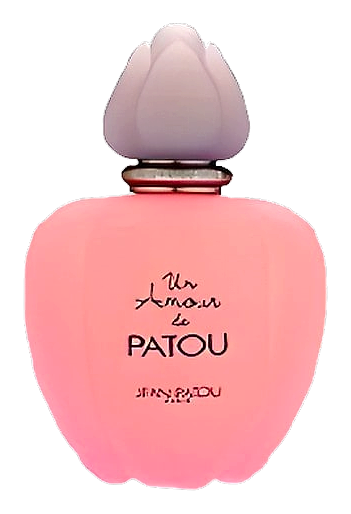
Jean-Michel Duriez designed Un Amour de Patou with a clear intention: a white floral that refused to shout. Aldehydes opened the composition, bright and effervescent, followed by a heart of rose, jasmine, and lily of the valley arranged in classical proportion. Sandalwood and musk anchored the base. The result was quiet sophistication, a Patou that spoke softly and expected you to lean in. The aldehydes gave it an initial sparkle, a luminous quality that softened as the florals took hold, creating a nuanced progression that rewarded patience and close attention.
What makes Un Amour de Patou interesting is its structure. The aldehydes don't merely open, they persist, threading through the white florals like a fine wire. Rose and jasmine in the heart are composed, not exuberant; they arrive in order and stay in formation. The sandalwood-musk base is intimate by design, projecting close rather than wide. This is a fragrance built for the skin, not for filling a space. The mahogany in the top notes adds an unexpected woody crispness that keeps the aldehydes from feeling purely vintage.
The evolution
The aldehydes hit first, sharp, sparkling, almost champagne-like. Bergamot and green notes arrive within seconds, softening the aldehyde brightness before it can turn sharp. Around 15 minutes in, the rose emerges. Not a splash of petals but a measured, composed rose, flanked by lily of the valley. The jasmine follows quietly. By the second hour, the florals have settled into the aldehydic warmth beneath them, still present, still structured, but no longer leading. The sandalwood arrives last, gentle and creamy, followed by musk that simply holds. Six to eight hours on most skin, intimate throughout.
Cultural impact
Un Amour de Patou occupies a specific corner of the Jean Patou lineup: refined, intimate, and quietly confident. It was not positioned as a statement fragrance but as an alternative for those who appreciated the house's heritage of sophisticated restraint. The aldehydic structure places it firmly in the classical French tradition, which means it reads as vintage-adjacent to modern noses. That quality divides opinion: those who connect with it find it an elegant, understated alternative to louder florals; others prefer more contemporary interpretations.