The Story
Why it exists.
The beginning
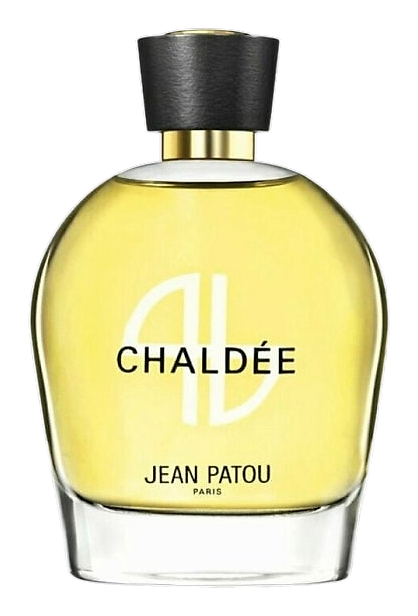
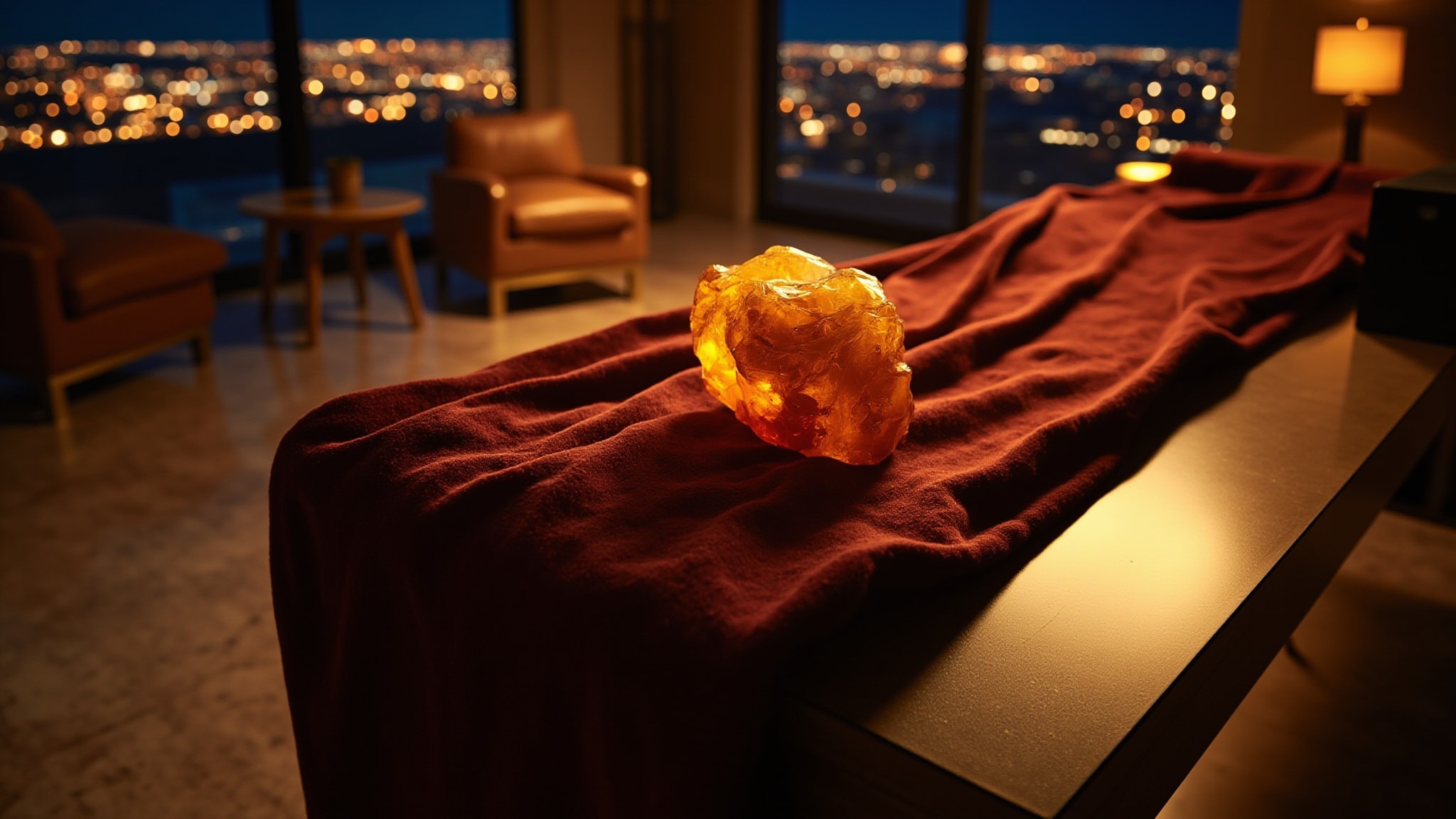
Chaldée is part of Jean Patou's Collection Héritage, a 2013 release that revisited formulas from the house's archive. The original Chaldée dates to 1927, with a Ma Collection reconstruction by Jean Kerléo following decades later. Thomas Fontaine, tasked with reinterpreting these heritage compositions, worked to honor the original architecture of the formula. The fragrance carries the sweet-burnt incense weight of opoponax at its center, a resin that anchors the composition from the first spray through the late hours. Fontaine's task was to keep the soul of a nearly century-old scent intact while letting it breathe on modern skin. The result is a powdery, resinous composition that reads as thoroughly contemporary despite its archival roots.
What's striking about Chaldée's construction is how restrained the pyramid appears, yet how much density it delivers. Opoponax anchors both the opening and the heart, giving the fragrance its sweet-burnt center from the first moments. The blossoms, including rose, orange blossom, and narcissus, blend into the whole rather than asserting themselves individually, which gives the composition its powdery softness. The spicy notes add friction, and the amber does what amber always does: turns everything golden.
The evolution
The first fifteen minutes feel almost ecclesiastical: opoponax arrives first, that sweet-burnt incense note, cushioned by a haze of blossoms that reads more like a memory of flowers than the flowers themselves. There's a powderiness already, something that recalls face powder in a compact your grandmother kept on a vanity. By the thirty-minute mark the spices begin to assert themselves, not sharp, more like the warmth of chai held between cold hands. The amber surfaces around the two-hour mark and never leaves. The sillage stays close to the skin, a quiet projection that rewards proximity rather than announcing itself across a room. The drydown carries that resinous base forward through the evening, and the next morning still finds opoponax lingering on a scarf collar, unhurried and intact. Anyone within arm's reach will know you're wearing something considered.
Cultural impact
Chaldée occupies an unusual niche: a 2013 heritage reissue that most wearers experience as thoroughly modern. It draws on the resinous, powdery vocabulary of classical French perfumery, a language that fell out of fashion in mainstream releases for decades before quietly returning through archive reconstructions like this one. Its restraint appeals to anyone who finds contemporary designer launches too loud, too sweet, or too eager to please. The composition feels considered and unhurried, the kind of scent that rewards slow wearing rather than immediate impact, and it rewards a wearer who values continuity over novelty.