The Story
Why it exists.
The beginning
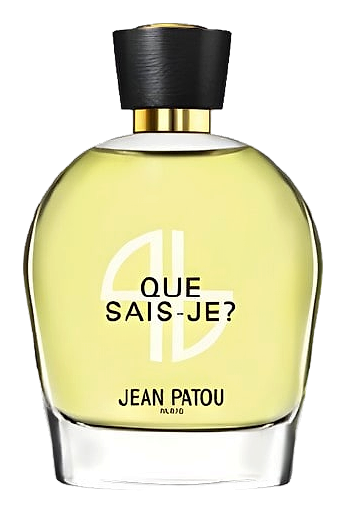
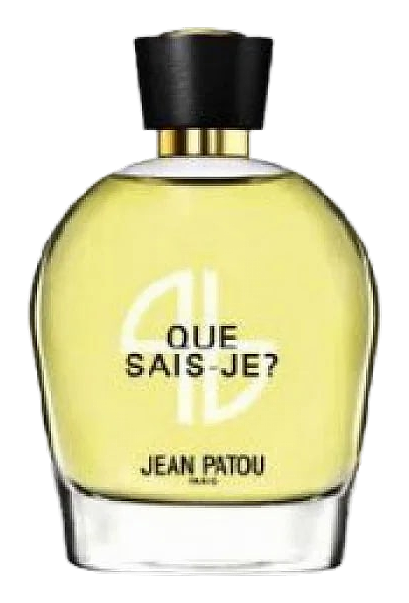
Que sais-je? first appeared in 1925, and almost ninety years later, in 2014, the house released this version as part of the Heritage Collection, a modern rereading of the original. Perfumer Thomas Fontaine rebuilt the formula for contemporary tastes. The title translates as "What do I know?" in French, a question that captures something of the scent's character. It carries a confident warmth that does not feel the need to announce itself. The fruit in the opening is generous without being loud, the florals in the heart feel substantial rather than sheer, and the honey in the base gives everything a rounded, golden weight. There is a richness here that feels deliberately old-fashioned, like a fragrance content to let its materials speak at their own pace. Que sais-je?
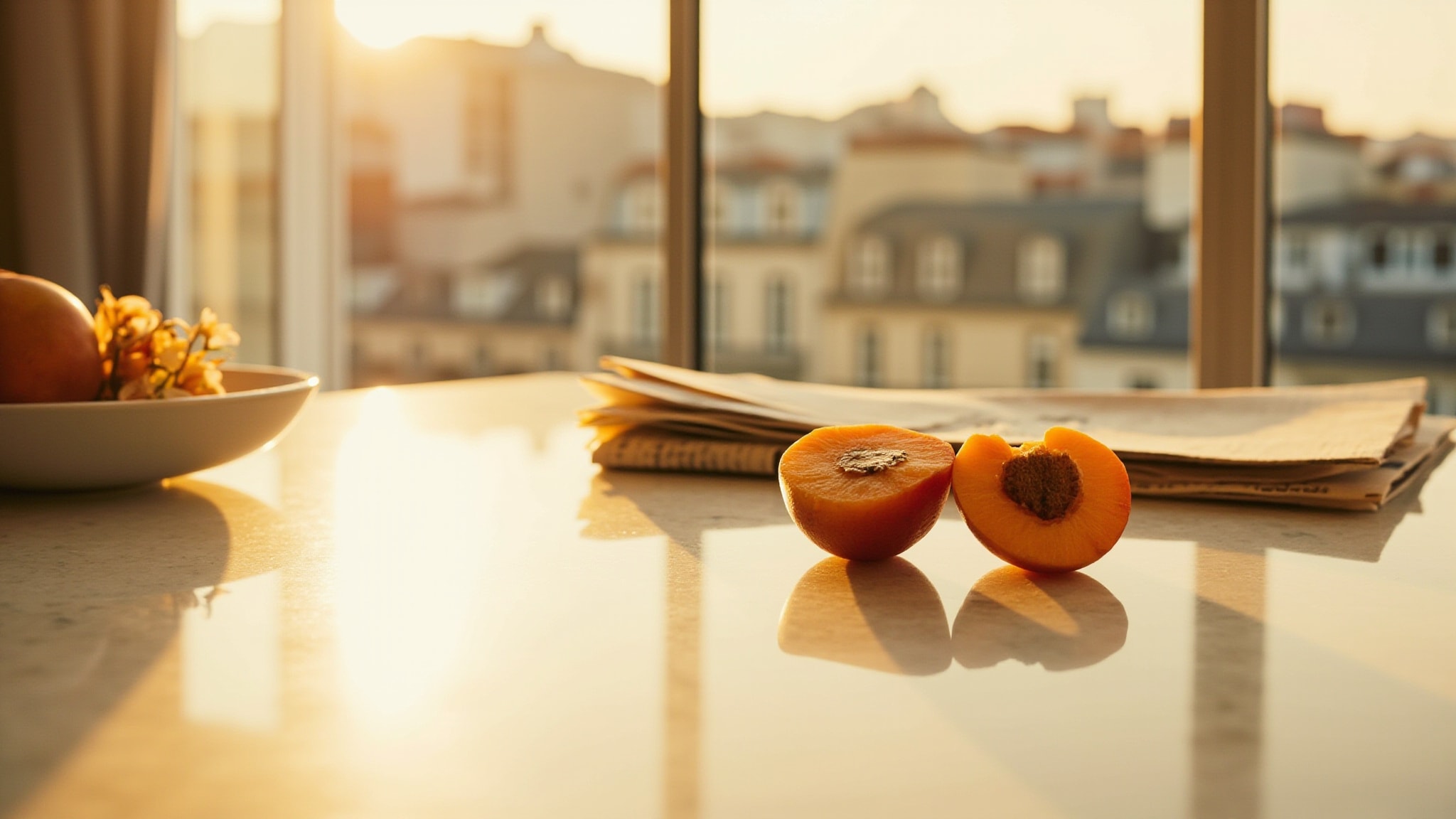
What makes Que sais-je? worth the revisit is how honestly it treats its materials. The opening leans on apricot and peach, both handled with the seriousness usually reserved for floral notes rather than fruit. The carnation in the heart gives the whole composition a spicy, almost clove-like edge that keeps the fruit from sliding into sweetness. The honey base is what ties it together, lending a sticky warmth that grounds the brighter elements above it.
The evolution
The first thirty minutes belong entirely to the fruit. Apricot and peach arrive ripe, almost overripe, but the orange blossom tempers them before they tip into jam. Then the heart begins. Carnation opens the door, dusty and clove-edged, and the rose and jasmine step through without ceremony. The honey arrives around the two-hour mark, not as a sweetness but as a texture, pulling the florals into something thicker, almost amber-like. By hour four the fruit is gone entirely. The patchouli underneath has been there all along, quiet, woody, grounding the whole composition with a dry, earthy counterweight to the sweetness above. The drydown is where the honey truly takes over, settling into a warm, resinous warmth that lingers close to the skin. Each stage unfolds gradually, with the florals bridging the gap between the bright, fleshy opening and the deeper, more contemplative base.
Cultural impact
Que sais-je? sits in an interesting place. The 2014 Heritage rerelease offers a reminder that the fruity-floral category once carried more weight than it sometimes does today. Wearers who come to it expecting the bright, transparent peach florals of recent years find something older and slower instead, something that takes its time and refuses to rush toward the drydown. It rewards patience, revealing layers of apricot, carnation, honey, and patchouli that unfold gradually rather than announcing themselves all at once.
The House
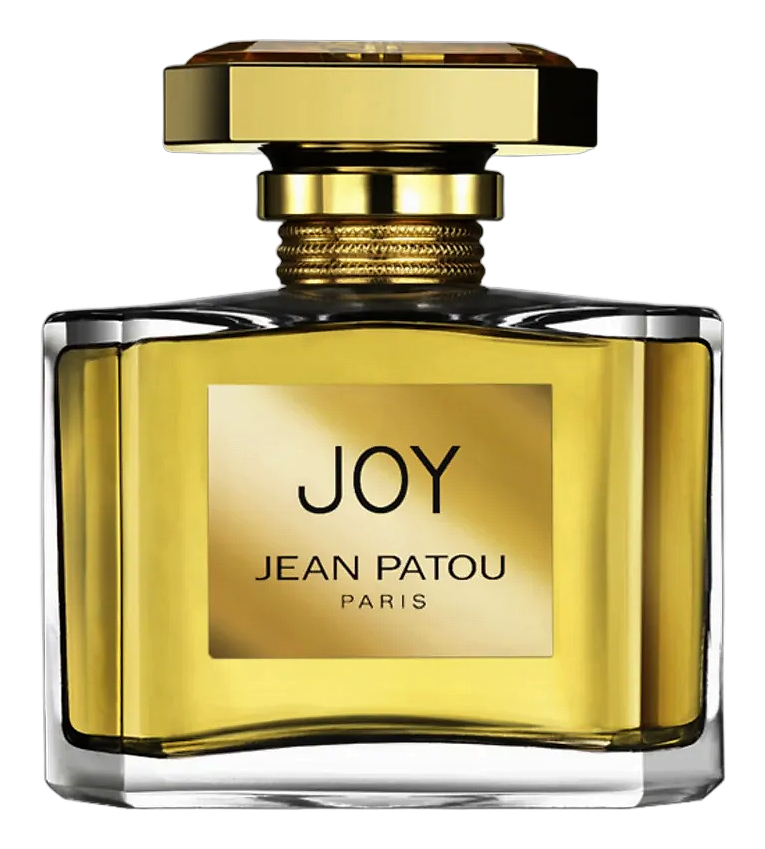
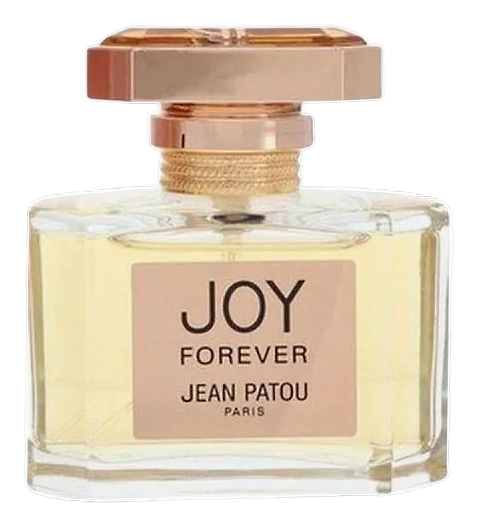
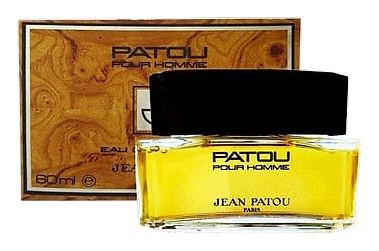
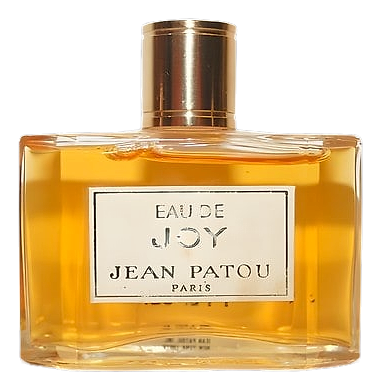
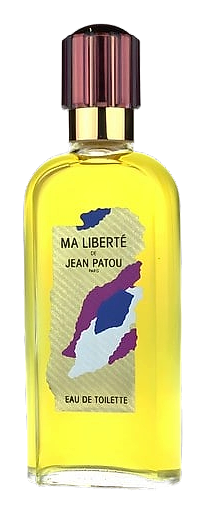
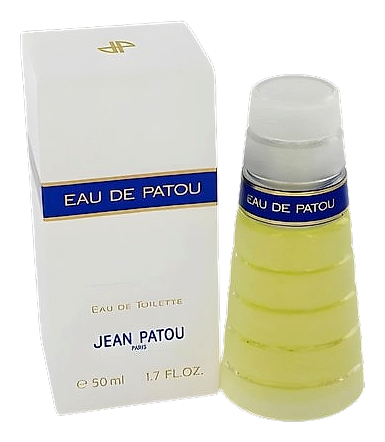
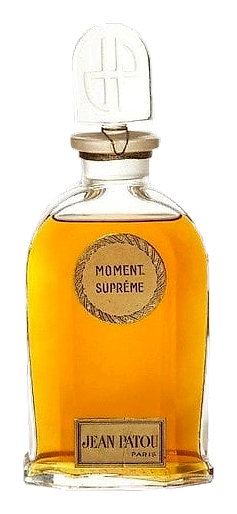
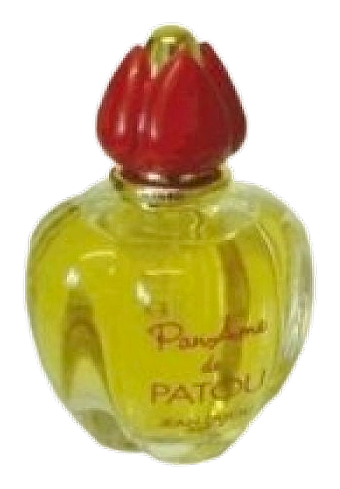
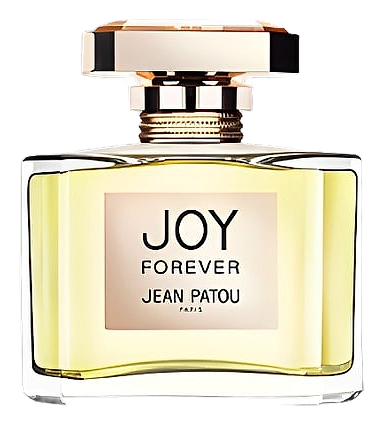
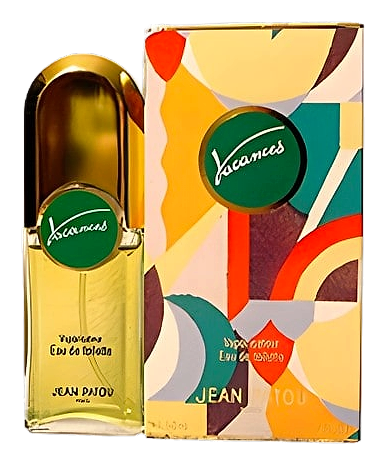
Jean PatouJean Patou was a French couturier who built a perfume house from his couture practice in Paris. Born in Normandy in 1887, he worked in his family's tannery business before establishing his fashion house in Paris in 1914. His approach centered on sporty, modern elegance, and he was among the first to introduce suntan preparations when he recognized his clients' newfound enthusiasm for sun and active summer leisure. His perfume collection launched in 1925 with three fragrances created by perfumer Henri Alméricas. The house produced signature scents across decades, from the jasmine-rich Joy (1932) to the sporty Lacoste (1967) and the effervescent Eau de Patou (1976). In 2019, LVMH acquired the house, and production of Patou fragrances was discontinued, leaving collectors and fragrance enthusiasts seeking remaining bottles.
The Creator
Thomas FontaineFontaine is drawn to natural ingredients and classical perfumery structures, favouring compositions with depth, clarity, and a sense of time embedded within them. He has demonstrated a particular skill with tuberose and rose-jasmine accords, visible across his Jean Patou work,…