The Story
Why it exists.
The beginning
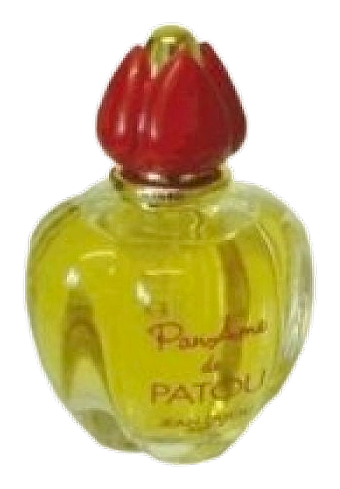
PanAme de Patou arrived in 2001, composed by Jean-Michel Duriez during his time shaping the house's later portfolio. The composition carries a quiet confidence from the first spray: a fruity floral that refuses to be childish, a sweetness with a spine. Duriez built it around real fruit notes that read garden-fresh rather than syrupy, and the result is a fragrance that treats its sweetness as an opening move rather than the whole game. Pear and peach sit up front, vivid and unapologetic, while violet throws a cool green shadow underneath, like the leaf still attached to the stem. The whole opening lands bright, almost startling in its honesty, the kind of fruit note that reminds you what fruit actually smells like before commercial perfumery got hold of it.
What makes the structure worth a second look is how Duriez handled the heart. Violet and linden blossom anchor the middle phase, two florals that pull green instead of powdery. The musk, oakmoss, and sandalwood arrive early enough to anchor the fruit rather than wait for a separate base phase. Here the moss and sandalwood hold the fruit aloft, keeping it lifted, slightly tart, and genuinely adult. The accord stays within a narrow tonal range on purpose, and the tightness of that range is what gives the fragrance its poise.
The evolution
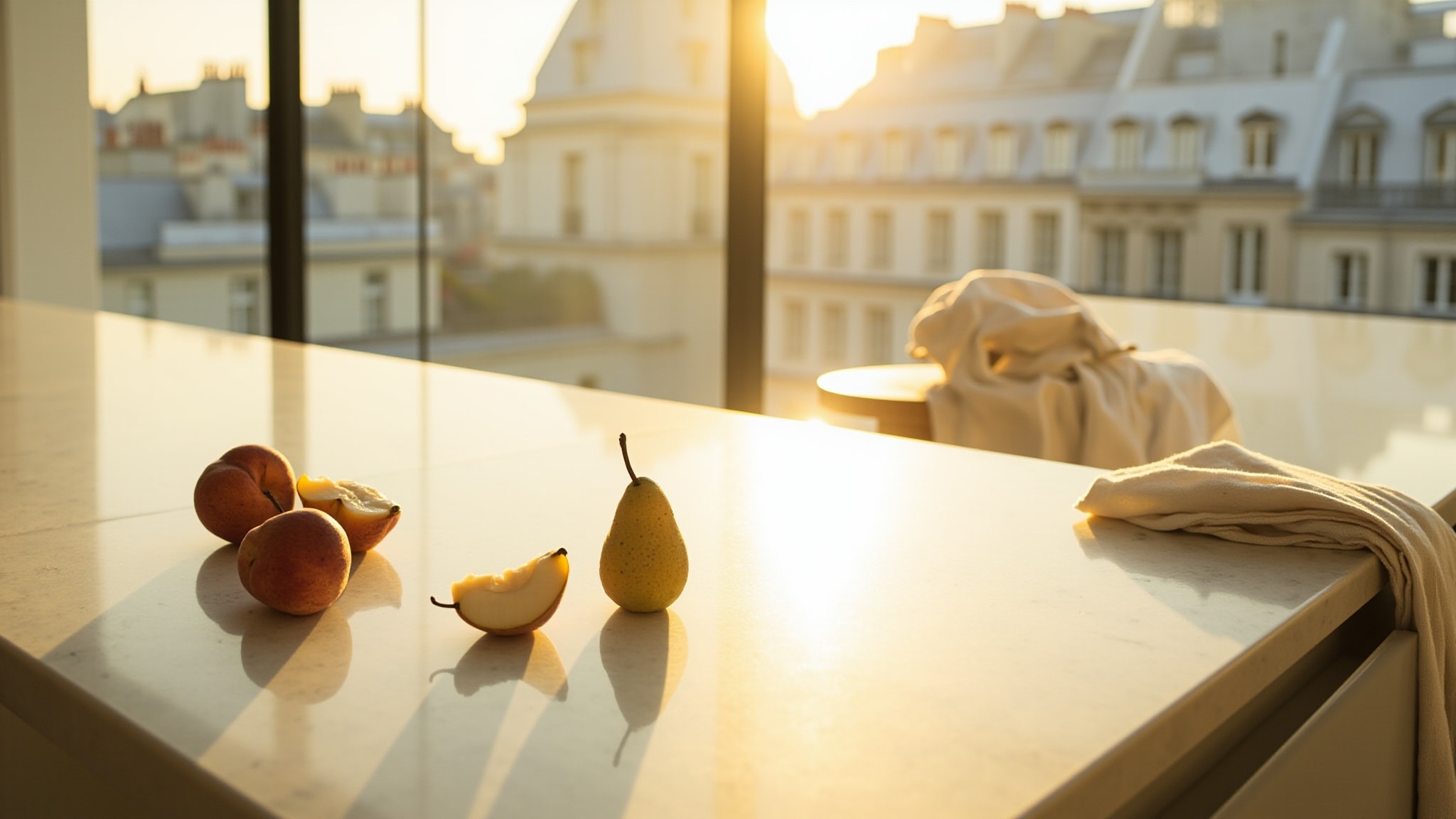
The opening minutes are almost aggressive in their fruit: pear, sharp and just-picked, with peach warmth right behind it, and violet adding a candied green flicker. Then something shifts. The linden blossom arrives and softens everything, pulling the fruit into a greener register, like leaves unfolding over the bowl of fruit on the counter. Musk arrives quietly underneath, followed by oakmoss that adds a forest-floor coolness most fruity florals never touch. As the wear continues, you're wearing a different composition: the fruit is still there but it's quieter, mossier, and the sandalwood has warmed into something almost milky. The drydown settles into skin and stays close, with intimate projection that keeps the fragrance present without announcing itself across a room. The sandalwood and moss leave a clean woody trace that lingers on fabric well into the next day. Not loud.
Cultural impact
PanAme de Patou occupies a specific corner of the fruity floral landscape, and what sets it apart is how seriously it takes its own structure. This one grounds its fruit in real oakmoss and sandalwood, and that grounding gives the composition a backbone that shows up in the wear. The oakmoss adds a forest-floor coolness most fruity florals never touch, and the sandalwood warms into something almost milky as the hours pass. It wears like something a woman who already knows what she likes would reach for, rather than a trend piece.
The House
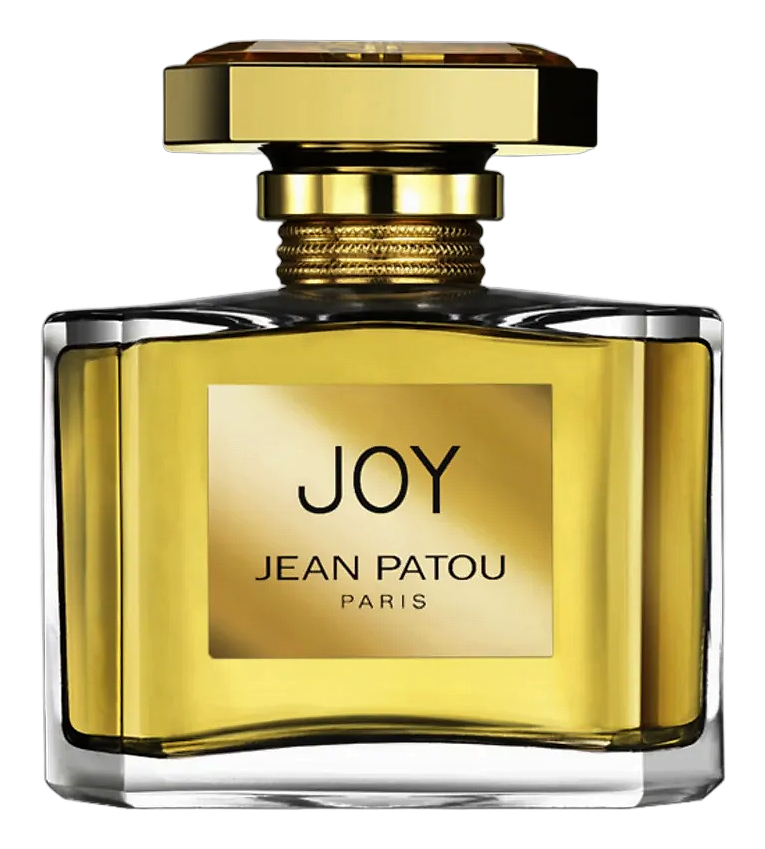
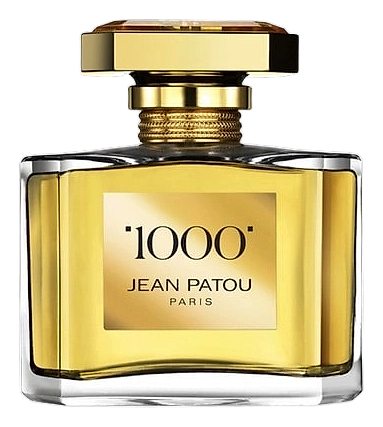
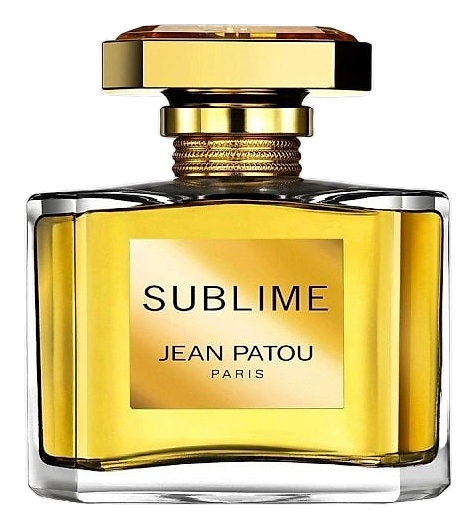
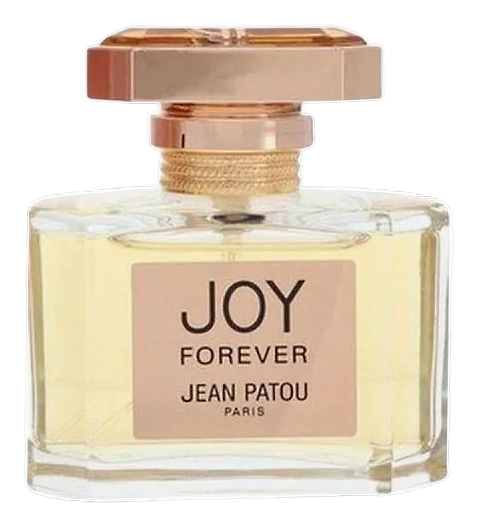
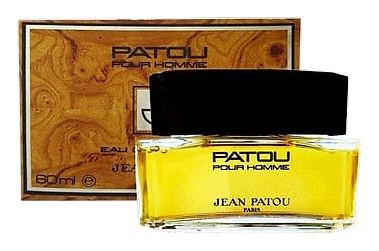
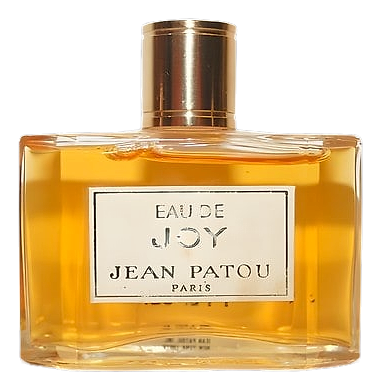
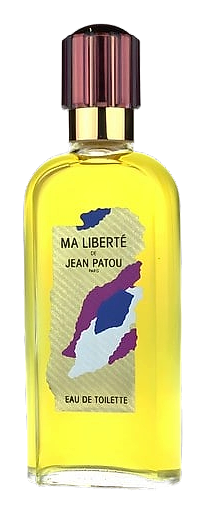
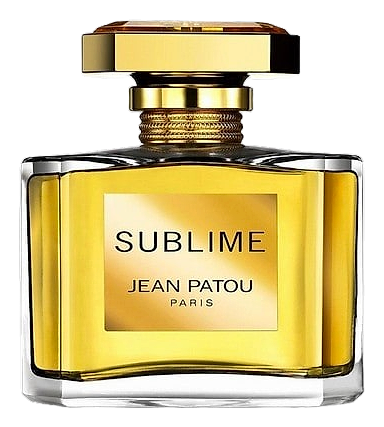
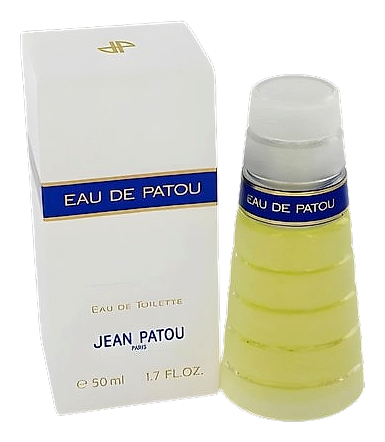
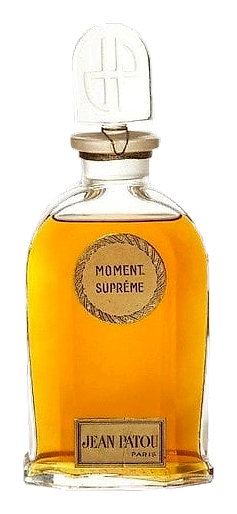
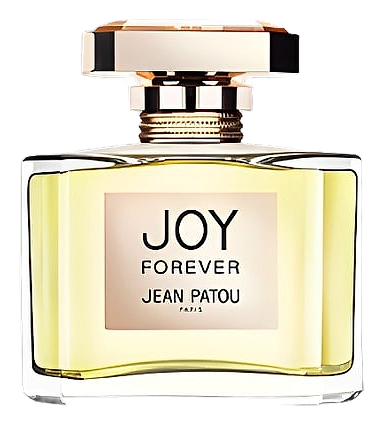
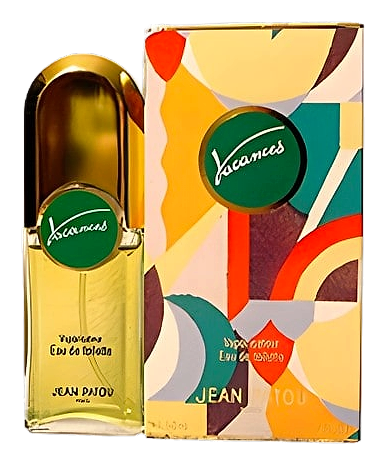
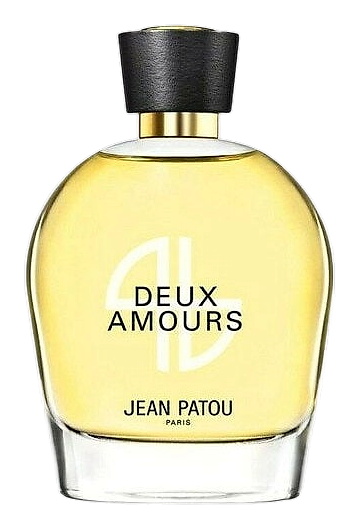
Jean PatouJean Patou was a French couturier who built a perfume house from his couture practice in Paris. Born in Normandy in 1887, he worked in his family's tannery business before establishing his fashion house in Paris in 1914. His approach centered on sporty, modern elegance, and he was among the first to introduce suntan preparations when he recognized his clients' newfound enthusiasm for sun and active summer leisure. His perfume collection launched in 1925 with three fragrances created by perfumer Henri Alméricas. The house produced signature scents across decades, from the jasmine-rich Joy (1932) to the sporty Lacoste (1967) and the effervescent Eau de Patou (1976). In 2019, LVMH acquired the house, and production of Patou fragrances was discontinued, leaving collectors and fragrance enthusiasts seeking remaining bottles.
The Creator
Jean-Michel DuriezDuriez gravitates toward natural ingredients and uses them in generous concentrations. He seeks out the finest suppliers and builds relationships around quality rather than volume.