The Story
Why it exists.
The beginning
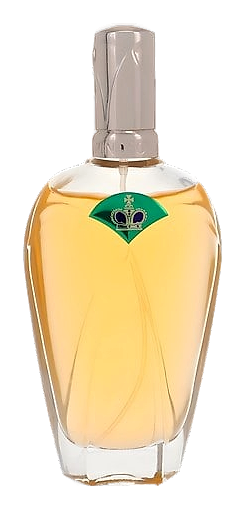
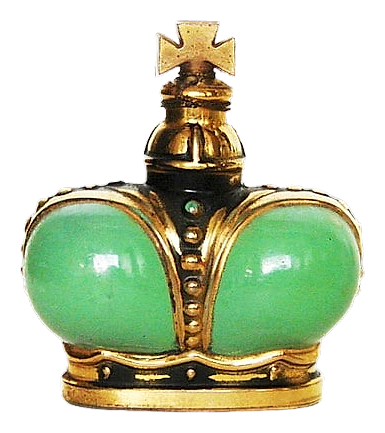
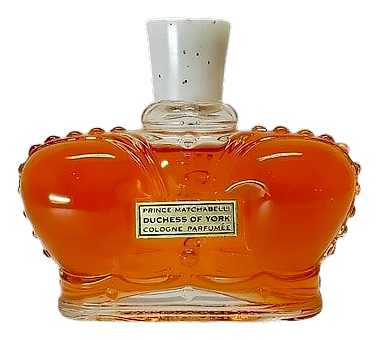
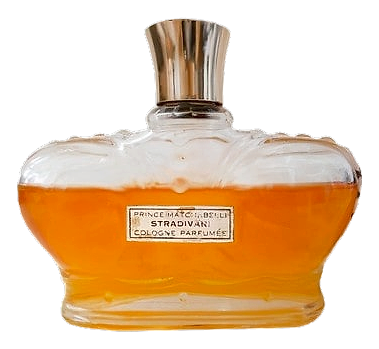
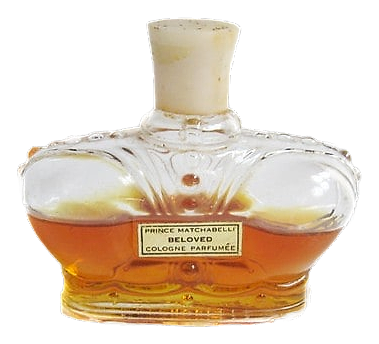
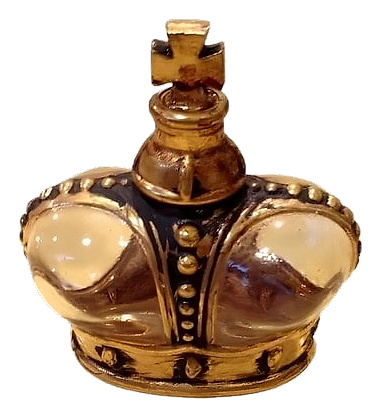
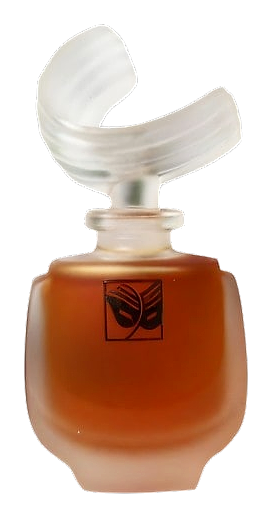
Masquerade Parfum arrived in 1970 from Prince Matchabelli, arriving at a moment when American perfumery had grown fluent in the language of lush, statement-making florals. The name itself suggests concealment, performance, the space between what you show and what you keep hidden, and the scent lives up to that promise with a composition that opens with a bright, sparkling aldehyde lift, almost effervescent, like the first shimmer of light catching costume fabric.
What makes Masquerade structurally interesting is its tension between civet and iris. The animalic note brings warmth, musk, and an almost bodily intimacy, while powdered iris and ylang-ylang hold everything in a refined, ladylike register. Aldehydes spark the opening with that vintage effervescence, and Brazilian rosewood adds a woody creaminess that bridges the florals to the base. It's aldehydic but grounded, floral but never innocent. The benzoin and opoponax in the base pull double duty, giving the drydown a resinous sweetness that keeps the civet from crossing into anything too wild.
The evolution
The first 15 minutes are bright and almost brittle, aldehydes lifting bergamot and lemon into something that feels carbonated. Peach and green notes arrive quickly, rounding the fizz into something softer, juicier. Around the 30-minute mark, the florals take over: carnation's spiced warmth, iris's powder, ylang-ylang's banana-sweet edge, all riding over a sandalwood and vetiver foundation. The civet starts working around the 2-hour mark, and this is where Masquerade reveals its other face. The powder recedes, the animalic warmth rises, and the whole thing settles into musk, vanilla, and benzoin with an opoponax sweetness underneath. By hour 4-5, you're left with skin-close warmth, ambergris, and moss. It doesn't project loudly in the late hours, but it stays present, intimate, recognizable on a scarf the next morning.
Cultural impact
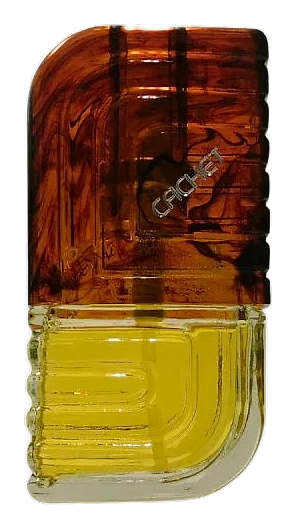
Masquerade sits within Prince Matchabelli's portfolio of accessible, storied fragrances, alongside Wind Song and Cachet, compositions that defined affordable American glamour. For vintage fragrance collectors, it represents a specific, relatively unstudied corner of 1970s American perfumery, a composition that captures the decade's taste for big, romantic florals rendered at a price point that invited widespread adoption. The scent itself embodies that sensibility: generous rose and jasmine anchored by a warm, musky base, with an aldehyde opening that signals sophistication before the florals even fully register.