The Story
Why it exists.
The beginning
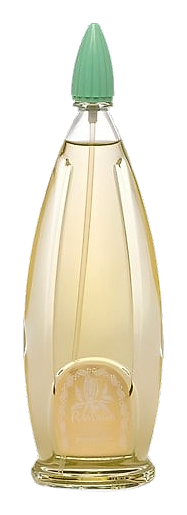
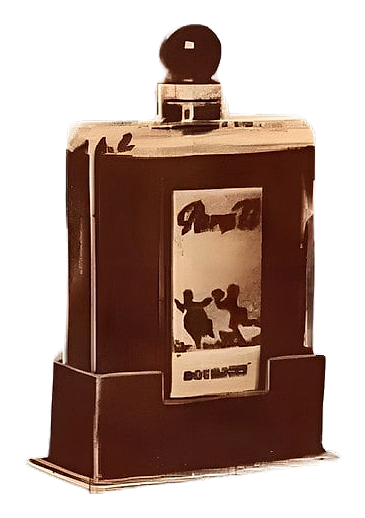
Para Ti was released by Bourjois in 1930, and the perfumer behind the composition was Constantin Weriguine. The fragrance emerged during a formative period for the house, when its catalogue was being built out with a seriousness of purpose. In those years, Bourjois was investing heavily in its perfume division, laying the groundwork for a reputation that would soon grow through subsequent releases. The name Para Ti carries a softness to it, a quality that reads almost like an offering or a dedication, and the composition itself feels as though it was built to live up to that gesture.
What makes Para Ti interesting is the discipline of its simplicity. The composition is built around a clear floral focus, with no competing accords pulling attention away from the central bouquet. There is a unity to the way the notes behave, each element seeming to fold into the next rather than announcing itself separately. The opening carries a freshness, something that recalls petals still holding the coolness of morning, and as the hours pass that initial lift softens into a warmer, more rounded expression.
The evolution
The first thirty minutes are a powdery lift, a soft breath of petals pressed between linen. There's a warmth underneath, like sun through a curtain, but the florals own the opening, and that opening feels generous without being loud. As the second hour arrives, the bouquet deepens. What smelled bright and gauzy becomes rounder, more skin-like, as though the fragrance is settling into you rather than sitting on top. The florals blur into each other in a way that feels intentional, less like individual notes and more like a single sustained chord, a harmony where no single bloom insists on being identified. By hour four, it's settled close. The sillage retreats, leaving a quiet warmth that someone standing near you might catch but that you yourself only sense when you move.
Cultural impact
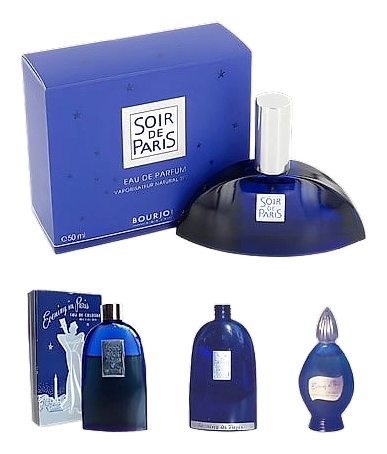
Para Ti belongs to a generation of French florals from the late 1920s and early 1930s, a category that defined much of the era's perfumery output. The fragrance fits comfortably within that lineage, sharing stylistic ground with contemporaries like the brand's own Soir de Paris, released two years earlier in 1928. Both compositions reflect a particular sensibility, one that favored warmth, wearability, and a directness of intent. Para Ti doesn't try to dazzle or overwhelm. It simply offers its floral heart and lets that offering speak for itself.
The House
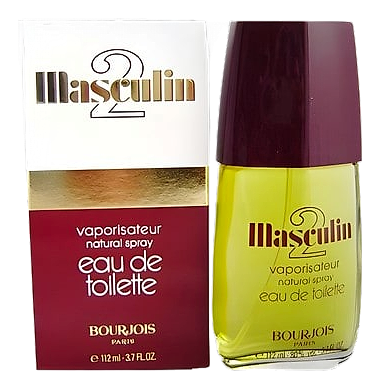
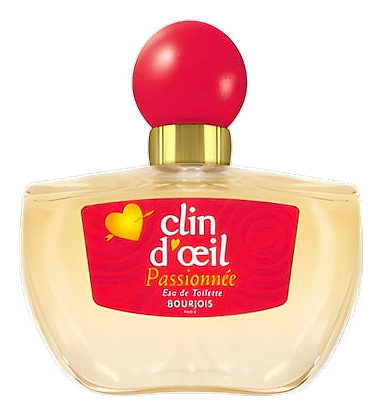
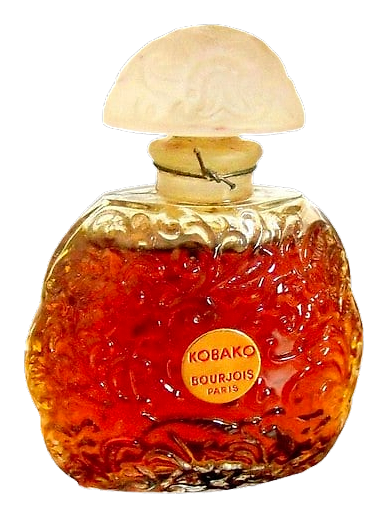
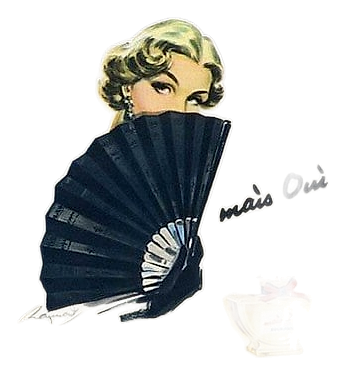
BourjoisBourjois began as a modest Parisian toiletry shop in the mid‑19th century and grew into a household name for colourful cosmetics and approachable fragrance. The brand blends French theatrical flair with everyday wearability, offering scents that feel both playful and rooted in tradition. Over more than a century, Bourjois has kept a focus on accessible luxury, delivering perfume that invites a wider audience to experience the craft of French perfumery without the pretence of exclusive pricing. Its catalogue includes iconic launches such as Mais Oui (1938) and the masculine line that started in the early 1970s, each reflecting a balance of heritage and contemporary taste.
The Creator
Constantin WeriguineHis style reflects classical French perfumery at its most disciplined. Weriguine possessed an acute sensitivity to natural materials, favoring structured compositions built on balance and restraint.