The Story
Why it exists.
The beginning
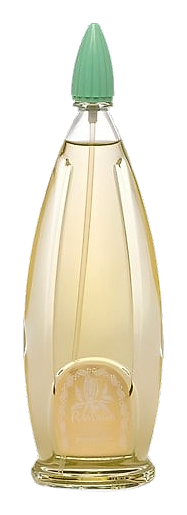
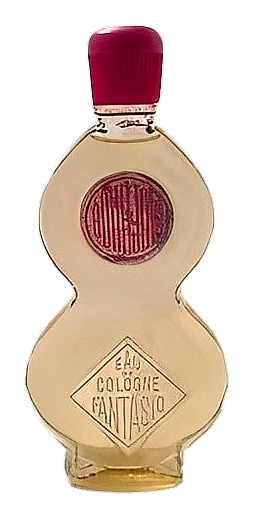
Fantasio arrived in 1950 from a house that had already spent decades making perfume feel like part of everyday Parisian life. Constantin Weriguine composed the fragrance as a floral composition, an eau de cologne that entered the world at a moment when French perfumery was finding its post-war voice. The concentration speaks through the scent itself, airy, on the nose. Fantasio reads as floral, unfussy, and built for daily contact with the skin rather than reserved for grand occasions. The bottle sits comfortably in the hand, unpretentious in its proportions. The name itself suggests imagination, daydream, something less literal than romance or garden. It positions the wearer as someone in their own private world, not performing for anyone watching.
What makes Fantasio worth understanding is what it omits. There are no listed top, heart, and base categories because the fragrance was built as a unified impression rather than a layered construction. That's a structural fact drawn directly from how the scent behaves on the skin. It means the cologne reads as one continuous thought rather than a series of arrivals and exits. The result is a floral that behaves like a single, sustained moment, an impression that doesn't unfold in dramatic stages but rather holds its character from the first spray to the final hours of wear.
The evolution
Fantasio opens as a clean, diffused white-floral mist, the kind of scent that registers more as a softness in the air than a distinct note on the wrist. There's no sharp citrus arrival, no dramatic top-note spark to cut through the room. The heart doesn't so much develop as deepen, the same floral character gaining a warmer undertone as the eau de cologne concentration settles into the skin. This is where it lives for the majority of its time being worn, that gentle, close-to-skin floral, present enough for the wearer to catch it in a breath but rarely projecting into a room. As the hours pass, the warmth becomes more pronounced, taking on an almost creamy softness that rounds out the initial brightness. The drydown is quiet. The composition doesn't fight to be noticed; it simply accompanies.
Cultural impact
Fantasio sits in a category that is difficult to find today: the genuinely understated French floral. A cologne-strength composition that stays close to the skin reads as either refreshingly honest or frustratingly faint, depending on the wearer, and that interpretive range is part of what keeps the fragrance in conversation. For those who encounter the scent, it offers a clear sense of what French floral perfumery looked like when lightness was a value rather than a limitation. It reads as feminine without being precious, and the cologne concentration positions the composition as something composed for daily life rather than grand entrances.
The House
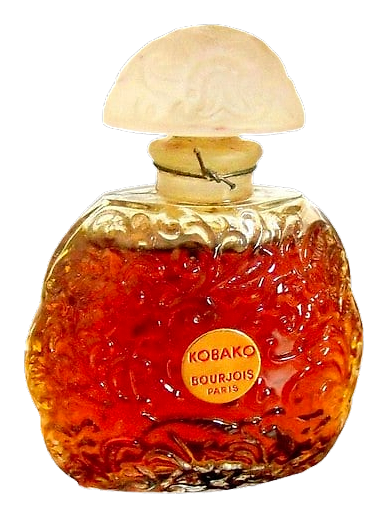
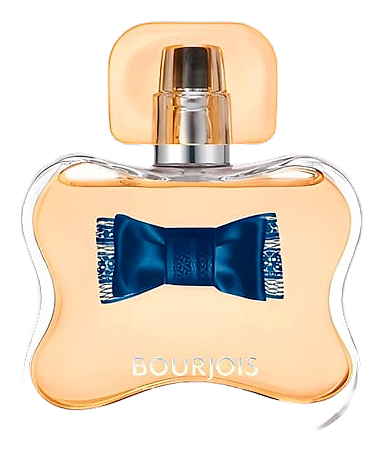
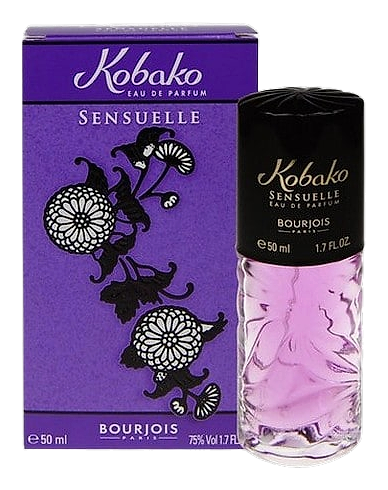
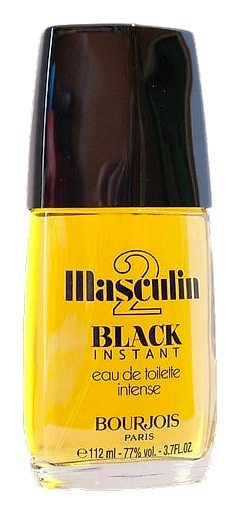
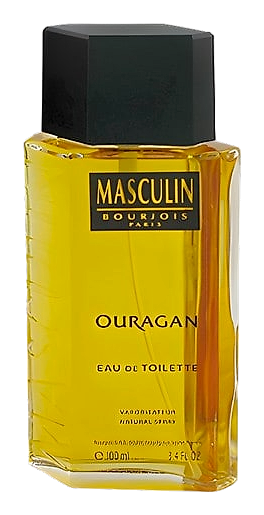
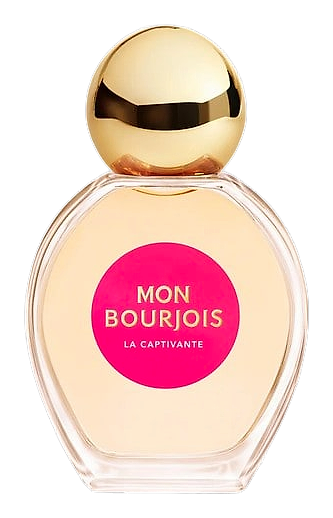
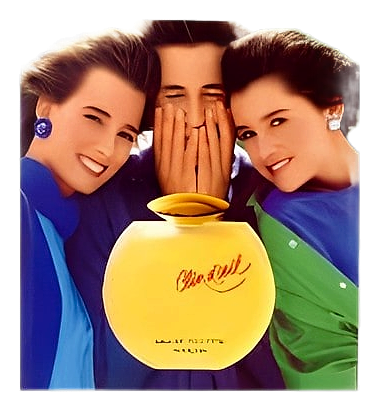
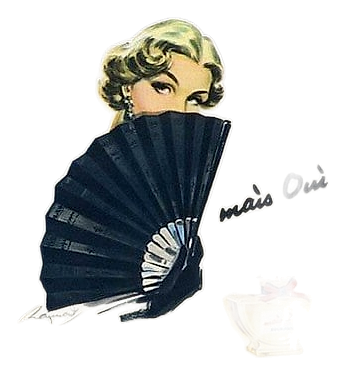
BourjoisBourjois began as a modest Parisian toiletry shop in the mid‑19th century and grew into a household name for colourful cosmetics and approachable fragrance. The brand blends French theatrical flair with everyday wearability, offering scents that feel both playful and rooted in tradition. Over more than a century, Bourjois has kept a focus on accessible luxury, delivering perfume that invites a wider audience to experience the craft of French perfumery without the pretence of exclusive pricing. Its catalogue includes iconic launches such as Mais Oui (1938) and the masculine line that started in the early 1970s, each reflecting a balance of heritage and contemporary taste.
The Creator
Constantin WeriguineHis style reflects classical French perfumery at its most disciplined. Weriguine possessed an acute sensitivity to natural materials, favoring structured compositions built on balance and restraint.