
The Story
Why it exists.
The beginning
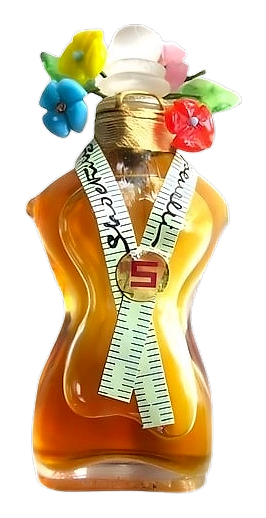
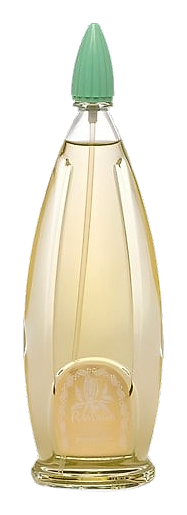
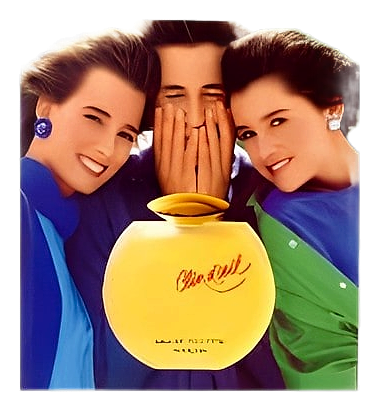
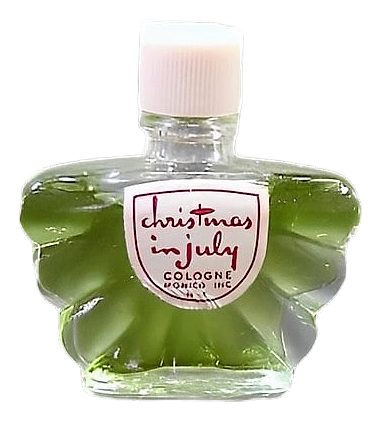
Christmas in July arrived in 1954 from Bourjois, the Parisian house. The name is a wink, not a holiday campaign. A summer floral dressed in December's velvet and warmth, as though someone took a winter holiday and folded it into a July afternoon. Constantin Weriguine composed the juice, working in the mid-century French tradition where florals ran lush, powdery, and just sweet enough to linger. The house had a quiet reputation for feminine fragrance, and this one carries that signature through every phase of the wear. Postwar France wanted fragrance that felt dressed-up without demanding attention. Something for the woman who liked flowers on her vanity and quiet confidence on her collarbone. Production was apparently discontinued, which only sharpens its appeal now.
Mid-1950s French florals had a particular grammar. Aldehydes at the top to crisp the petals, a dense floral heart, then a powdery base to round the edges. The formula Weriguine delivered here stays inside that conversation. Less air, more velvet. Less sparkle, more skin-warmth. The result reads less like a crisp spring morning and more like a packed bouquet left on a warm windowsill. That density is what separates vintage French florals of this calibre from the lighter eau de colognes that came before.
The evolution
The first ten minutes are the brightest moment. Aldehydes lift the petals, almost sparkling, almost cologne-like. Then the aldehyde steps back and the bouquet takes over. Dense, creamy, slightly powdery at the edges. The florals hold the middle of the wear for several hours, warming against skin until they stop smelling like flowers and start smelling like the person wearing them. That handoff is the real trick. Around the later hours, the base shows its hand. Powdery, soft, nothing loud. Nothing separate. Just skin that smells finished. On fabric the next morning, you'll catch a faint trace of that powdery softness still clinging, the kind of scent that makes you check the collar of a sweater you haven't worn since spring. The evolution is gentle rather than dramatic, each phase handing off to the next without a hard break.
Cultural impact
Christmas in July belongs to the category of mid-1950s French florals that defined a certain moment in perfumery. Production was apparently discontinued, which places it firmly in vintage territory. For collectors and curious noses, that only adds to the appeal. Finding a bottle today means tracking down a piece of mid-century French perfumery that has largely slipped out of circulation. The composition reflects the era's preferences: aldehydes to lift the top, a dense floral heart, and a powdery base that softens everything underneath. That formula was once common. Now it feels like a relic, and relics carry their own kind of value.
The House
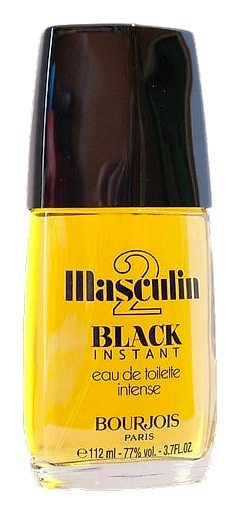
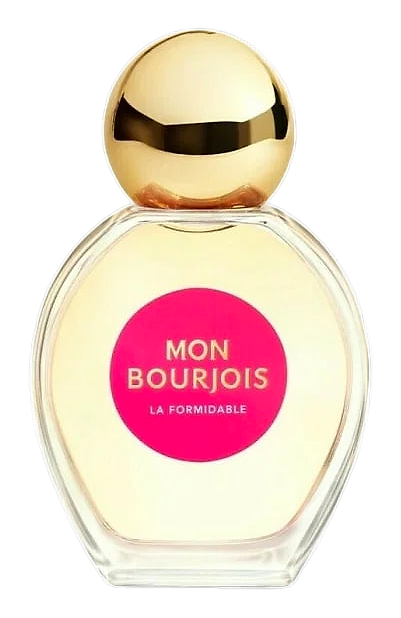
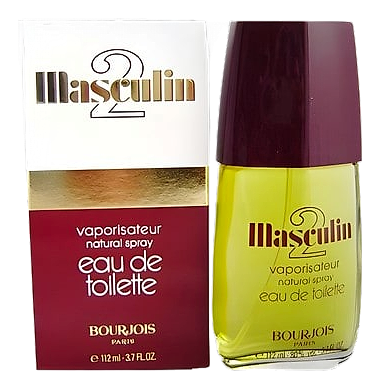
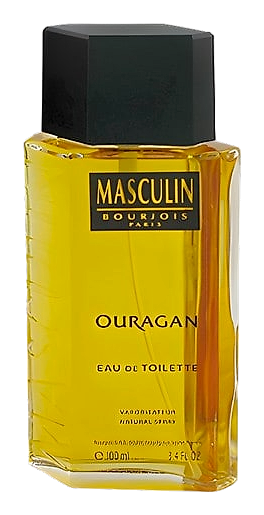
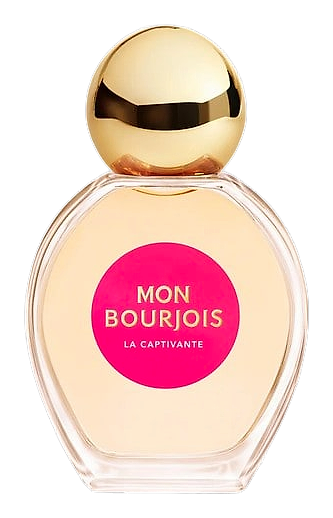
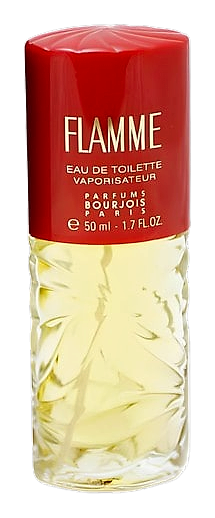
BourjoisBourjois began as a modest Parisian toiletry shop in the mid‑19th century and grew into a household name for colourful cosmetics and approachable fragrance. The brand blends French theatrical flair with everyday wearability, offering scents that feel both playful and rooted in tradition. Over more than a century, Bourjois has kept a focus on accessible luxury, delivering perfume that invites a wider audience to experience the craft of French perfumery without the pretence of exclusive pricing. Its catalogue includes iconic launches such as Mais Oui (1938) and the masculine line that started in the early 1970s, each reflecting a balance of heritage and contemporary taste.
The Creator
Constantin WeriguineHis style reflects classical French perfumery at its most disciplined. Weriguine possessed an acute sensitivity to natural materials, favoring structured compositions built on balance and restraint.