The Story
Why it exists.
The beginning
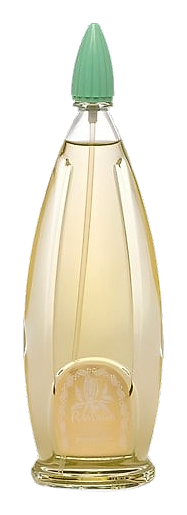
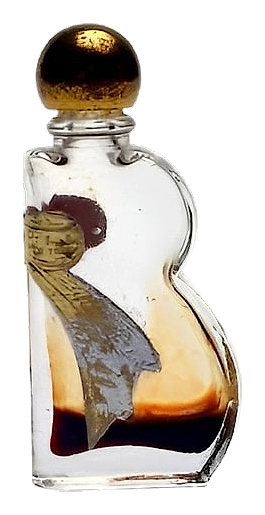
Beau Belle arrived in 1949, a chypre floral composed in the classical French mold that the 1940s did so well. Constantin Weriguine built a fragrance that opened sharp and aldehydic, bloomed into a dense herbal-floral heart, and settled on oakmoss and labdanum in the manner of the era's most enduring compositions. The aldehydes arrive first with that bright, soapy, slightly metallic sparkle, cutting through the air before the herbal and floral notes have a chance to settle. Once they do, the heart reveals itself: carnation, coriander, cardamom, bay leaf, thyme, and sage woven together into something dense and warming, a bouquet that smells less like a florist's window and more like a sunlit garden after rain.
The aldehydic opening reads as a bright, soapy, slightly metallic lift, the kind of sparkling top note that catches light and demands attention in the first few minutes on skin. What makes Beau Belle's opening unusual is what it hands off to: not a soft powdery heart, but a dense, spicy, herbal one. Carnation, coriander, cardamom, bay leaf, thyme, and sage together give Beau Belle a kind of kitchen-garden warmth that most aldehydic florals avoid. The herbal notes push through the florals with real authority, and the spices give the heart a low, steady heat that never tips into sweetness.
The evolution
The first fifteen minutes are bright and almost metallic, aldehydes popping over bergamot, lemon, and a hit of galbanum that reads cold and green. Peach softens the edges just enough, rounding out the citrus before the heart takes over. Then the heart arrives, and everything slows down. Carnation leads, clove-spiced and warm, joined by a wall of lily of the valley, rose, jasmine, and orange blossom. The herbal notes, coriander, bay leaf, thyme, sage, weave through the florals like a vine through a trellis, giving the heart its green backbone and keeping the florals from floating away into something purely pretty. The spices, cardamom in particular, sit underneath everything, warming the whole structure without ever sweetening it.
Cultural impact
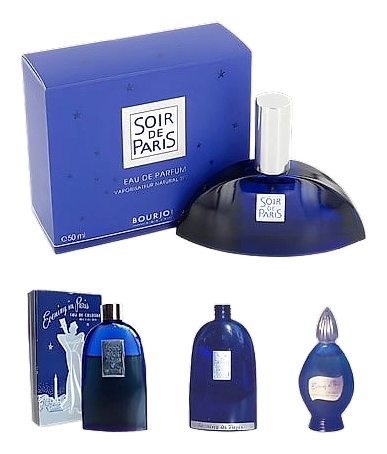
Beau Belle never achieved the commercial reach of its Bourjois sibling Evening in Paris, and it was eventually discontinued, which has made it a fragrance that lives mostly in the memories of those who wore it and the small circle of enthusiasts who still seek it out. The composition reads as a confident, structured aldehydic chypre that holds its own against more celebrated releases of the same era. The herbal density in the heart and the full chypre architecture in the base give it a seriousness that rewards close attention, while the aldehydic top keeps it from ever feeling heavy or austere.
The House
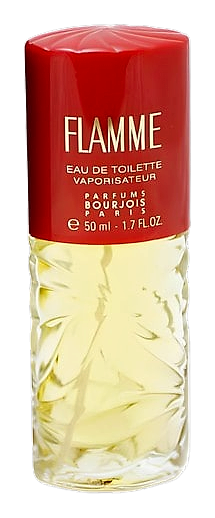
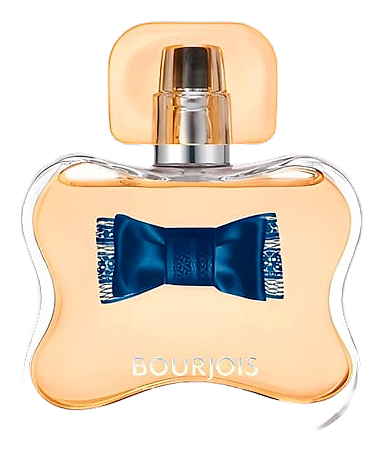
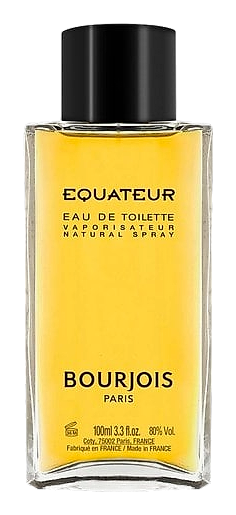
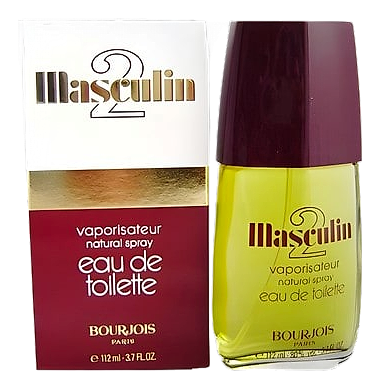
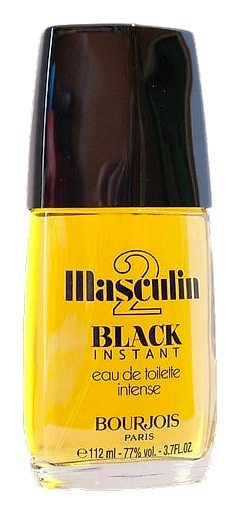
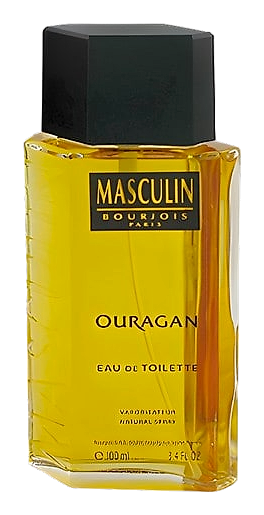
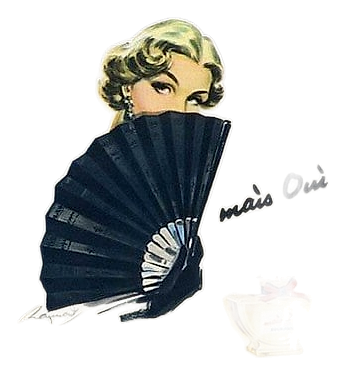
BourjoisBourjois began as a modest Parisian toiletry shop in the mid‑19th century and grew into a household name for colourful cosmetics and approachable fragrance. The brand blends French theatrical flair with everyday wearability, offering scents that feel both playful and rooted in tradition. Over more than a century, Bourjois has kept a focus on accessible luxury, delivering perfume that invites a wider audience to experience the craft of French perfumery without the pretence of exclusive pricing. Its catalogue includes iconic launches such as Mais Oui (1938) and the masculine line that started in the early 1970s, each reflecting a balance of heritage and contemporary taste.
The Creator
Constantin WeriguineHis style reflects classical French perfumery at its most disciplined. Weriguine possessed an acute sensitivity to natural materials, favoring structured compositions built on balance and restraint.