The Story
Why it exists.
The beginning
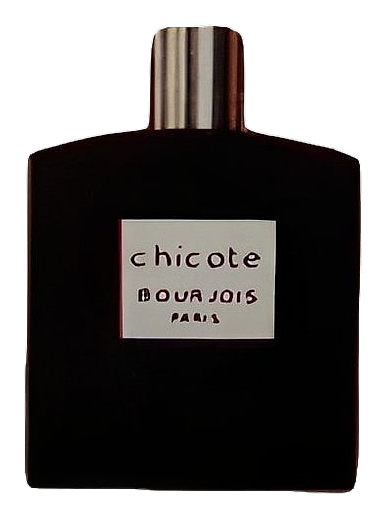
In 1934, Bourjois delivered Chicote, a masculine leather composition by perfumer Constantin Weriguine, who worked in the classical French tradition. The fragrance emerged at a moment when the house was investing seriously in scent, and Weriguine built Chicote around a single, uncompromising material: leather. There was no attempt to dress it up, no floral softening, no gourmand sweetness, just the kind of construction that assumes the wearer knows what he wants. The composition is dense and architectural, built to be read rather than worn casually, and it carries the restraint of a perfumer confident enough to let one accord do the heavy lifting. Chicote reads as a statement of intent from a house that understood leather could anchor a masculine identity without the aid of novelty.
What makes the structure worth noting is its commitment to a single accord. The result is a fragrance that reads coherent rather than crowded, a single material treated as architecture rather than accent. There's no chorus of supporting notes competing for attention, no modern tricks of transparency or airiness to lighten the load. The leather sits at the centre and speaks in a consistent register from start to finish, which gives the composition a clarity that's increasingly rare. It doesn't shift identity as it warms on skin; it simply deepens, gaining richness without gaining noise.
The evolution
The opening is where Chicote makes its entrance, a sharp, smoky lift that reads as an immediate leather statement, direct and unornamented. The first moments feel assertive, like a cologne that expects to be noticed rather than asked permission. The composition moves quickly into a smoother leather territory, warmer and rounder, where the initial smokiness softens into something more supple and worn-in. As the hours pass, the leather settles into a dry, confident register that doesn't beg for attention or trail off into vagueness. By the later stages, the smoke has burned away almost entirely, leaving behind a quiet, persistent suede impression that stays close to the skin. The drydown carries through the evening with steady presence, never loud, never quite gone.
Cultural impact
Chicote wears as a reference point within the landscape of vintage masculine leathers, the kind of fragrance that rewards anyone interested in the history of the genre rather than the latest release. It belongs to a tradition of robust leather accords that defined a certain kind of French masculine confidence, and it does so without leaning on novelty or trend. The person who reaches for it today tends to value structure over innovation, composition over noise. It rewards study.
The House
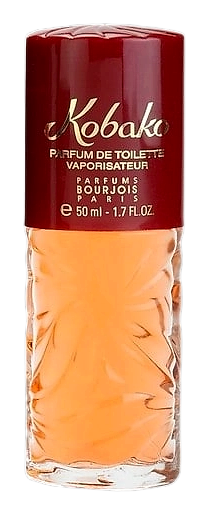
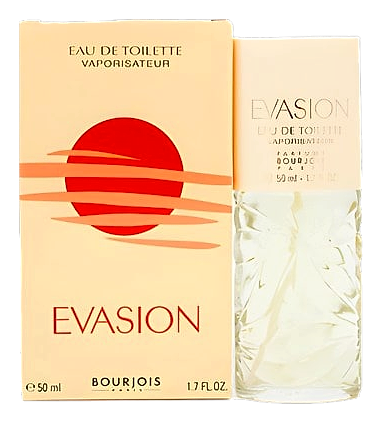
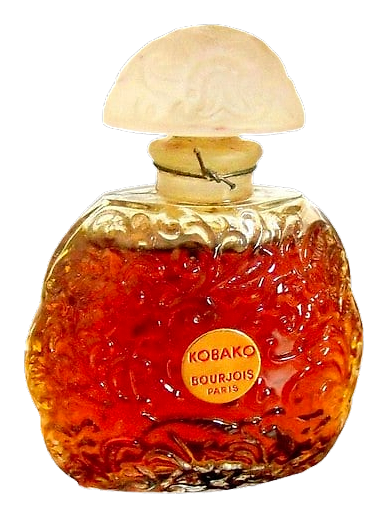
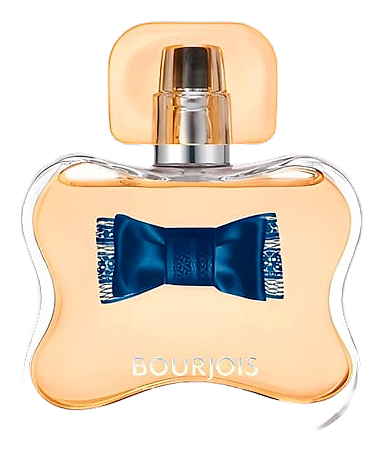
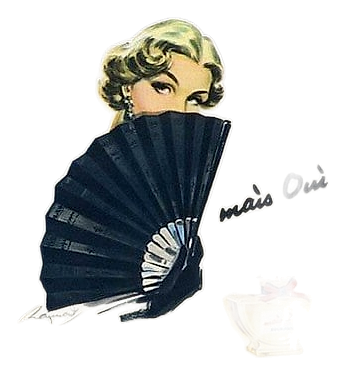
BourjoisBourjois began as a modest Parisian toiletry shop in the mid‑19th century and grew into a household name for colourful cosmetics and approachable fragrance. The brand blends French theatrical flair with everyday wearability, offering scents that feel both playful and rooted in tradition. Over more than a century, Bourjois has kept a focus on accessible luxury, delivering perfume that invites a wider audience to experience the craft of French perfumery without the pretence of exclusive pricing. Its catalogue includes iconic launches such as Mais Oui (1938) and the masculine line that started in the early 1970s, each reflecting a balance of heritage and contemporary taste.
The Creator
Constantin WeriguineHis style reflects classical French perfumery at its most disciplined. Weriguine possessed an acute sensitivity to natural materials, favoring structured compositions built on balance and restraint.