The Story
Why it exists.
The beginning
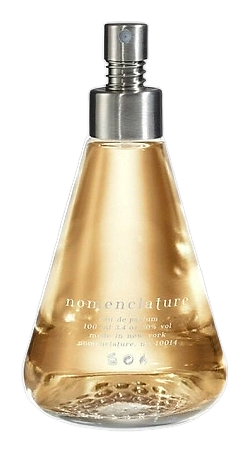
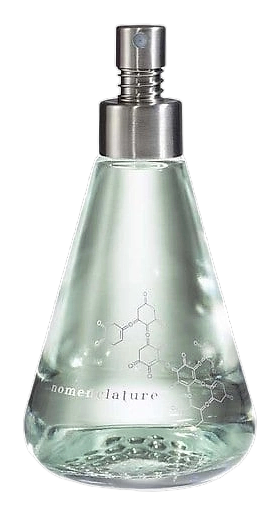
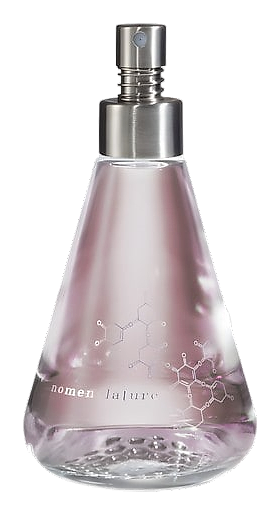
Holy-wood was built around Clearwood, the molecule Nomenclature calls the 21st century's answer to patchouli. Frank Voelkl designed it as a tribute to California, not the tech corridor, not the coastline. The state as idea. 1970s California: New Age spiritual awakening, holistic living, a new wave of Hollywood cinema that reframed what film could feel like. The fragrance channels that energy. Two floral divas, Bulgarian rose and jasmine sambac, bring the Golden Age glamour. Sandalwood and suede round out the depth. Clearwood carries the concept forward: sustainable, fermented from sugar cane, blurring the line between natural and laboratory-made. Science and mysticism, wearing the same perfume.
Clearwood is the molecule that makes Holy-wood worth your attention. Developed in California for Firmenich through white biotechnology, sugar cane fermented into something that behaves like patchouli but reads cleaner, clearer, more transparent. The sustainability story is real, not marketing. The eco-friendly credentials are built into the chemistry. But what matters on skin is what Clearwood does that traditional patchouli cannot: it holds depth without the earthiness. It offers the woody resonance without the must. Holy-wood is the proof of concept, that a molecule engineered in a lab can carry spiritual weight. That science and mysticism wear the same fabric.
The evolution
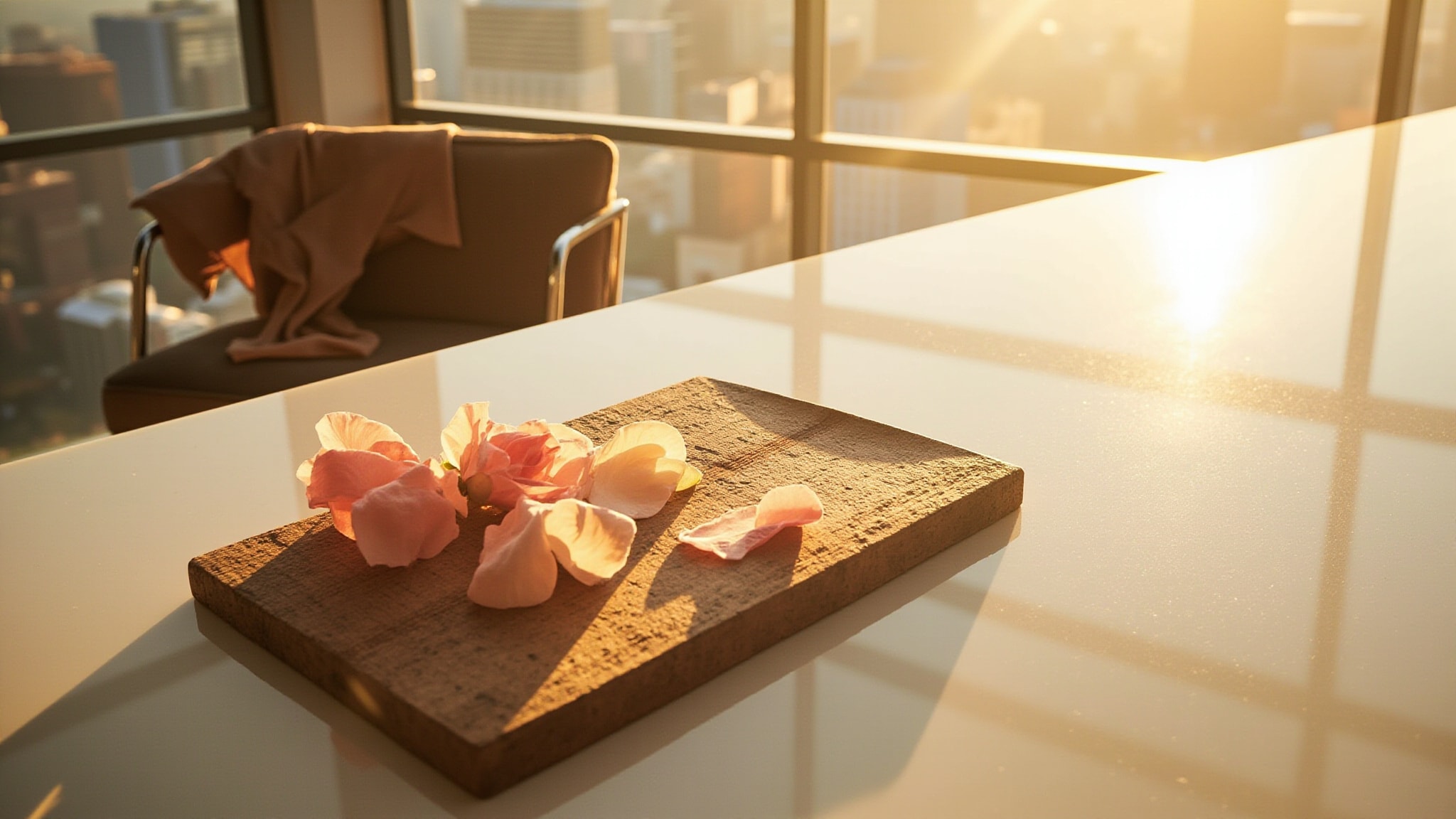
The opening hits fast. Pink pepper sparks bright, rose petals drop dewy and green. Thirty minutes in, the florals take over, Bulgarian rose thick and velvety, jasmine sambac warm underneath, suede threading through like a whisper. The handoff to the drydown takes another hour. That's when Clearwood announces itself. Sandalwood and suede stay close, but Clearwood is the one that settles, that deepens, that lingers. Eight to ten hours on most skin. On fabric, it can stretch into the next day. The suede softens as it warms. The sandalwood rounds the edges. What started as pepper and rose ends as something that smells like skin, but better. The clean-woody tension never fully resolves. That's the point.
Cultural impact
Holy-wood occupies a specific corner of niche perfumery, the scientifically curious who find poetry in molecular precision. For collectors who have tired of traditional patchouli compositions, Clearwood offers something different: the depth without the dirt. The fragrance speaks to a wearer who cares about what went into the bottle and why. That's a smaller audience than the general fragrance market, but a loyal one.