The Story
Why it exists.
The beginning
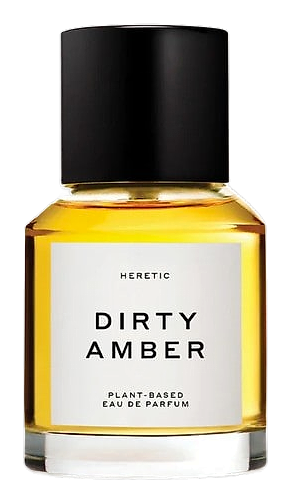
Douglas Little sourced fossilized amber oil extracted from 35 million year-old Himalayan tree resin, the kind of material that has no interest in being polite. Cistus and elemi came into the composition as grounding forces, resinous and tactile, pulling the fossilized amber down from abstraction into something you can feel on skin. The amber itself carries a weight that resists conventional sweetness, offering instead a dense, resinous character that speaks to its ancient origins. Cistus contributes a subtle, balsamic quality that anchors the composition, while elemi adds a warm, slightly peppery resinous note that bridges the gap between the bright and the deep.
The use of fossilized Himalayan amber oil is dense, complex, and doesn't dilute easily into conventional fragrance structures. This material presents a particular challenge: its intensity demands careful handling, and its character resists the softening that most compositions require. The result is a fragrance that doesn't behave like a typical amber. Instead of a smooth, honeyed warmth, you get something that reads as both ancient and alive, with the resinous backbone of labdanum and styrax amplifying the earthiness rather than softening it.
The evolution
The opening announces itself immediately, bergamot and cardamom cut through with juniper's cool bite, frankincense curling underneath like smoke from a just-extinguished candle. For the first half hour or so, it's brighter than the name might suggest. Then the hand-off begins. The elemi and amyris arrive quietly, warming the sharp edges into something rounder, and the fossilized amber begins to assert itself with the kind of authority that doesn't need to announce itself. After a couple of hours, you're deep into the heart of it: balsamic, resinous, slightly sweet from the tonka and vanilla but grounded by patchouli and myrrh. The drydown is where this fragrance earns its reputation. Benzoin and styrax linger close to the skin, settling into something that smells like warm resin on warm skin, intimate rather than projecting, present without being loud.
Cultural impact
Dirty Amber represents a particular approach to natural perfumery, where botanical authenticity shapes the creative process rather than serving as a marketing angle. The fragrance presents amber as it exists in nature, not as it gets reimagined for mass appeal. The name suggests something raw and unpolished, and the composition delivers on that premise by allowing each material to express its full character without compromise.