The Story
Why it exists.
The beginning
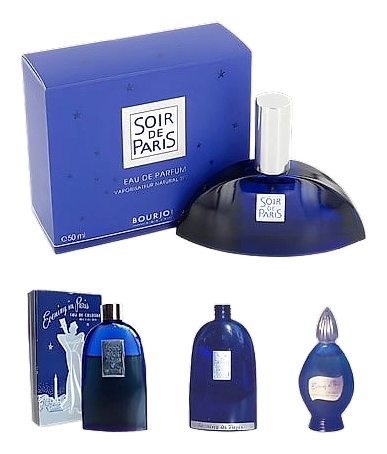
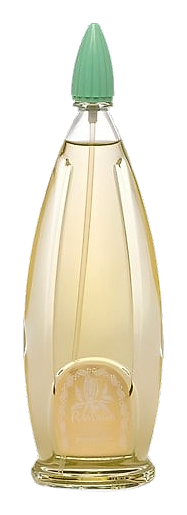
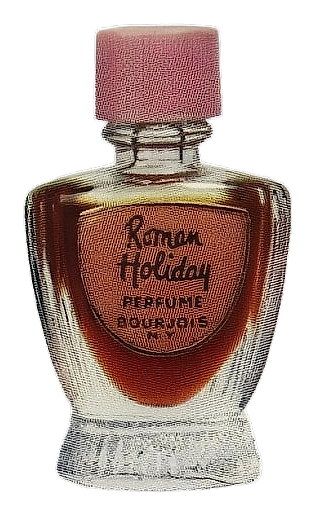
Roman Holiday arrived in 1955 from the Bourjois house, the Parisian brand whose Soir de Paris debuted in 1928 and helped establish the house's presence in fine fragrance. The nose behind it, Constantin Weriguine, composed this within a French perfumery lineage where aldehydes carried real structural weight in a composition. The 1955 launch placed this squarely in an era when aldehydes were the secret behind the soapy lift that made fragrances feel effortless and alive, that bright, clean effervescence you could feel before the floral heart even settled in. Roman Holiday fit Bourjois's brief of wearable composition, a fragrance designed to make the wearer feel composed, not conspicuous, the kind of scent that reads as good taste rather than effort.
Roman Holiday works because of how few notes it uses, not in spite of it. Aldehydes, a floral heart, and a musk base, three movements that rely on restraint and balance rather than layering for richness. The aldehydes here do what aldehydes did best in 1955: they lift the florals into something airy and soapy, almost translucent, like sunlight through a voile curtain. That soapy quality is the signature, that clean, just-showered feeling that never tips into anything heavy or overwrought.
The evolution
Aldehydes arrive first and hit quickly, that sharp-soapy lift you feel before you have even lowered the bottle. The opening is clean, almost surgical, a flash of effervescent brightness that reads as freshly laundered cotton and cold porcelain. After a while the aldehydes step back and the floral heart takes over. This is not a bold flower. It is a constructed floral, abstract rather than identifiable, the kind of soft white-petal impression that feels more like the idea of a bouquet than the thing itself. The musk arrives underneath almost from the start but only becomes audible as the hours pass, settling the composition down to skin temperature. What lingers deep into the wear is a clean warmth that stays close to the body rather than projecting outward, a faint shimmer of aldehyde ghost woven through the musk like a memory of the brightness from earlier.
Cultural impact
Roman Holiday entered the Bourjois catalog in 1955 as part of the brand's postwar fragrance output, a period that produced several notable aldehydic compositions from the house. Its direct relationship to Bourjois's own earlier work, including Soir de Paris from 1928, situates it within a house tradition that had already explored the soapy, aldehydic register and understood how to make it wearable. Production was apparently discontinued, which places it among the harder-to-find Bourjois releases from that era.
The House
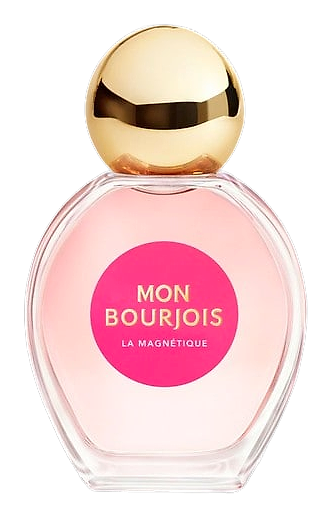
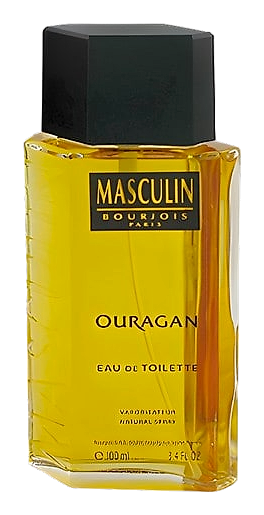
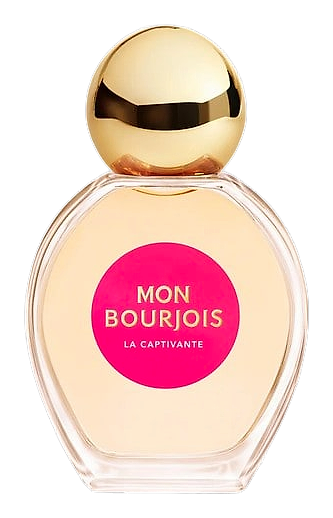
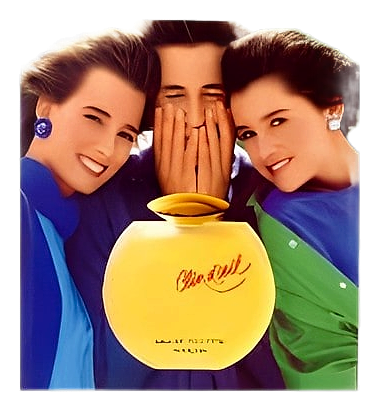
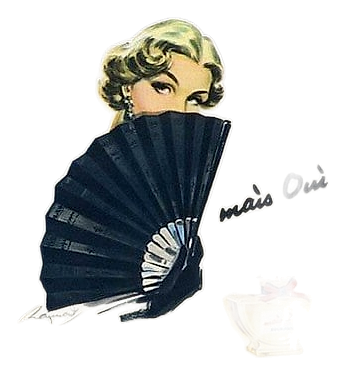
BourjoisBourjois began as a modest Parisian toiletry shop in the mid‑19th century and grew into a household name for colourful cosmetics and approachable fragrance. The brand blends French theatrical flair with everyday wearability, offering scents that feel both playful and rooted in tradition. Over more than a century, Bourjois has kept a focus on accessible luxury, delivering perfume that invites a wider audience to experience the craft of French perfumery without the pretence of exclusive pricing. Its catalogue includes iconic launches such as Mais Oui (1938) and the masculine line that started in the early 1970s, each reflecting a balance of heritage and contemporary taste.
The Creator
Constantin WeriguineHis style reflects classical French perfumery at its most disciplined. Weriguine possessed an acute sensitivity to natural materials, favoring structured compositions built on balance and restraint.