The Story
Why it exists.
The beginning
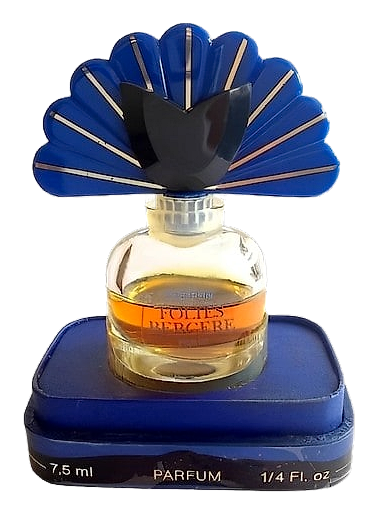
Folies Bergère carries a name lifted directly from one of the most storied stages in Paris, the cabaret where the footlights stayed on long after the rest of the city dimmed. The fragrance is composed by Constantin Weriguine, and it reads like a small piece of showmanship translated into scent. The aldehydes flash bright, almost like the first cue of an overture, before tuberose swells in behind them, plush and weighted like a curtain waiting to rise. Apricot threads through both, adding a sweetness that rounds the sparkle into something friendlier than the bare chemistry of those top notes would suggest. The composition keeps that tension across every layer: brightness wrapped in warmth, sweetness cushioned by wood.
Folies Bergère plays with proportion in a way that gives it a clear signature among aldehyde florals. The aldehydes are bold on opening, but the apricot and water lily arrive almost immediately to soften that initial sting, so the sparkle feels like candlelight rather than a laboratory. The heart is a stacked arrangement: tuberose takes the lead with its creamy, almost carnal fullness, then jasmine layers in beside it, adding indolic warmth. Peony cools the blend with a pinkish, slightly watery lift, and lilac dusts the whole thing over with powder.
The evolution
The aldehydes lead the opening with a bright, almost metallic shimmer that catches the air for the first few minutes. Almost as soon as they peak, apricot and water lily arrive to soften that initial flash, rounding the sparkle into something warmer and slightly fruity. The aldehyde presence lingers through the early hours like the memory of an opening act, hovering over whatever comes next without dominating. Tuberose and jasmine take command of the heart, both creamy and weighty, with a fullness that settles on fabric and skin in a generous cloud. Peony slips in alongside them, lifting things with a cooler, pinkish note, and lilac dusts everything in soft, violet-edged powder. As the second half of the wear begins, the white florals recede slowly into the base.
Cultural impact
Folies Bergère takes its name from one of Paris's most storied cabarets, and the scent wears that inheritance through every layer. The opening aldehydes land like stage lights warming up, bright enough to register across a room, and the composition keeps that sense of performance running underneath every floral note. Tuberose and jasmine build a plush middle act, while the base of sandalwood, vetiver, amber, and musk pulls everything toward warmth by the end. There is a playfulness in how the notes are stacked, an instinct for brightness that never tips into pure novelty.
The House
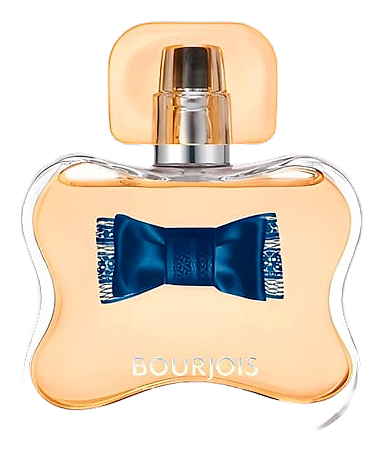
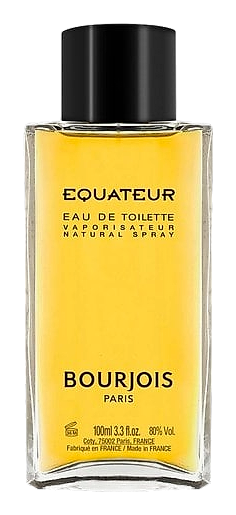
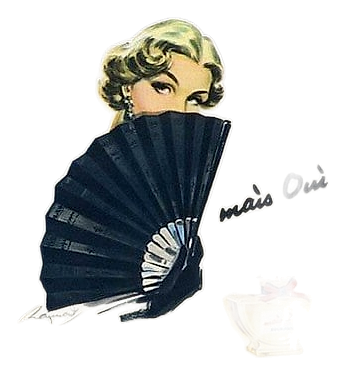
BourjoisBourjois began as a modest Parisian toiletry shop in the mid‑19th century and grew into a household name for colourful cosmetics and approachable fragrance. The brand blends French theatrical flair with everyday wearability, offering scents that feel both playful and rooted in tradition. Over more than a century, Bourjois has kept a focus on accessible luxury, delivering perfume that invites a wider audience to experience the craft of French perfumery without the pretence of exclusive pricing. Its catalogue includes iconic launches such as Mais Oui (1938) and the masculine line that started in the early 1970s, each reflecting a balance of heritage and contemporary taste.
The Creator
Constantin WeriguineHis style reflects classical French perfumery at its most disciplined. Weriguine possessed an acute sensitivity to natural materials, favoring structured compositions built on balance and restraint.