The Story
Why it exists.
The beginning
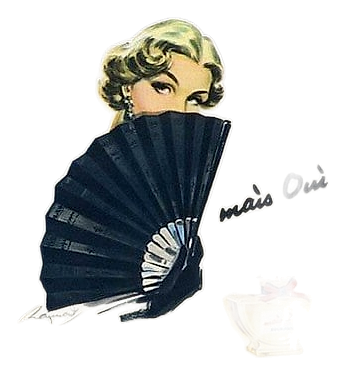
Courage was composed by Constantin Weriguine, a women's fragrance built on a foundation of carnation, the floral heart that gives the composition its distinctive character. The formula leans into spicy warmth, using the clove-edged qualities of carnation to push the scent into territory more assertive than the typical late-1930s floral offering. Bourjois released Courage as part of a lineup that included Mais Oui, positioning the house as a perfumer willing to experiment beyond conventional prettiness. The result is a composition that carries presence, the kind of perfume that occupies a room rather than decorating it.
Carnation drives the composition, and the choice pays off. Carnation carries a clove-like warmth that bridges floral and spicy territory. Paired with patchouli and sandalwood, the structure shifts into something with real weight, a spicy-oriental architecture that reads as confident and grounded. The carnation does the heavy lifting as the central note, and the supporting cast of patchouli and sandalwood gives it texture and staying power.
The evolution
Courage opens with a confident burst of spice, carnation's clove-edged brightness leading, supported by warm resinous tones that hit immediately rather than teasing. The first minutes carry a density that announces itself, unapologetic, slightly dusty, the kind of opening that doesn't request attention so much as assume it. As the composition settles, patchouli grounds the carnation's sweetness with its earthy weight, and the heart holds for hours, neither fading nor shifting dramatically, just breathing slowly against the skin. The sandalwood emerges in the later stages, softening the composition into something warmer and more intimate, a quiet dusty warmth that clings to fabric the next morning and leaves a trail of spice long after the bottle has been put away.
Cultural impact
Courage belongs to a small category of vintage French fragrances that prioritized structural depth over decorative sweetness, a period when perfumers were willing to build compositions around assertive base notes rather than ornamental florals. Alongside other Bourjois releases from the same era, the scent represents a moment when the house was working to define a distinct perfumery voice. Vintage bottles do surface occasionally, and the fragrance carries a quiet reputation among those familiar with older French perfumery, particularly for its unconventional take on what a women's fragrance could smell like.
The House
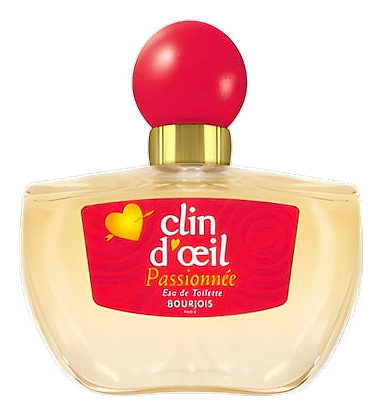
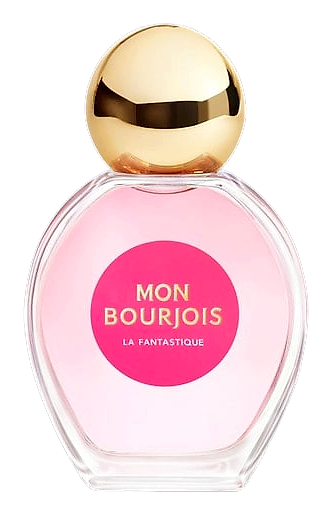
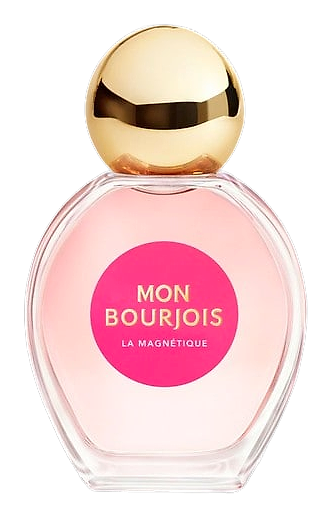
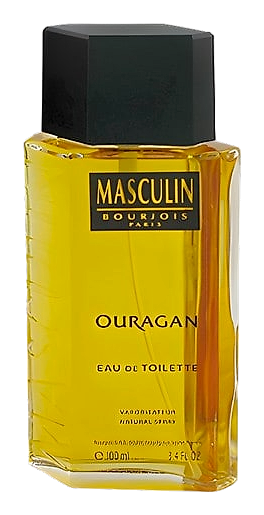
BourjoisBourjois began as a modest Parisian toiletry shop in the mid‑19th century and grew into a household name for colourful cosmetics and approachable fragrance. The brand blends French theatrical flair with everyday wearability, offering scents that feel both playful and rooted in tradition. Over more than a century, Bourjois has kept a focus on accessible luxury, delivering perfume that invites a wider audience to experience the craft of French perfumery without the pretence of exclusive pricing. Its catalogue includes iconic launches such as Mais Oui (1938) and the masculine line that started in the early 1970s, each reflecting a balance of heritage and contemporary taste.
The Creator
Constantin WeriguineHis style reflects classical French perfumery at its most disciplined. Weriguine possessed an acute sensitivity to natural materials, favoring structured compositions built on balance and restraint.