
The Story
Why it exists.
The beginning
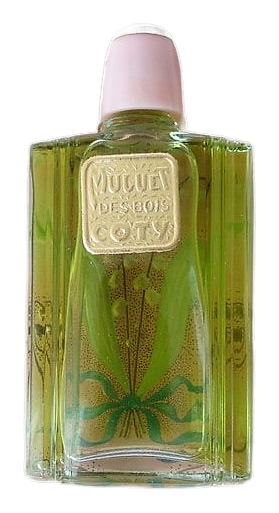
Muguet des Bois translates directly to lily of the valley, "the woods' lily", a small bell-shaped flower that blooms briefly each May in French forests. Henri Robert had this modest bloom in mind when he built the fragrance in 1941. Lily of the valley has a soft, aqueous scent that is notoriously difficult to capture in a bottle, the natural oil is fleeting, and perfumers have long struggled to translate its quiet green presence into something that lasts. The aldehydic structure gave the delicate floral something to hold onto, a framework that lifted the scent above the brief window of a May morning walk and made it wearable throughout the day.
The green notes aren't decorative. They ARE the fragrance, a cool, slightly bitter cut that keeps the aldehydes and white florals from tipping into sweetness. That balance between freshness and soap, between garden and skin, is what separates Muguet des Bois from a modern recreation. The heart delivers five florals at once, yet none overpower. The aldehydic lift ensures the whole composition breathes upward rather than settling into skin. On drydown, sandalwood and musk provide the ordinary magic: warmth without weight, staying power without announcement.
The evolution
It opens sharp. Green leaves and bergamot arrive first, the aldehydes crackling like static across the top, that vintage sparkle that reads as clean rather than sharp. Thirty seconds in, the lily of the valley surfaces. Not loud. Present. The other florals take their turns quietly: lilac sidles up, cyclamen softens the edges, jasmine adds body without heat. Rose does the least work here but keeps things grounded. The sillage is intimate, close to the skin, the kind of fragrance you notice only when you lean in. By the final hours, what remains is a skin-warm musk, faint sandalwood, and the aldehydes settling into something quieter beneath the florals, a soft persistence that reminds you the composition was built to endure.
Cultural impact
Muguet des Bois occupies a strange position: it is old enough to be foundational, yet lily of the valley compositions remain rare enough that it feels singular. The aldehydic-floral structure places it within a lineage of modernist perfumery that continues to influence how delicate florals are built. It does not shout. It simply smells exactly like what it is, and has for over eighty years.