Lime (linden Blossom)
Linden blossom captures the fleeting sweetness of early summer, when Tilia cordata trees perfume entire boulevards with an intoxicating, honeyed floral scent that perfumers rarely capture in full. This elusive note brings warm, slightly green sweetness to fragrances.
Character
How it smells
Summer's most fleeting floral secret
Beekeepers consider linden honey the finest in Europe, yet the actual blossom scent is so delicate that most perfumers recreate it synthetically rather than extract it.







Origin
France
The linden tree held sacred status throughout European history, from ancient Greeks who associated it with the goddess Freya to Slavic cultures who planted these trees at village centers as gathering places. French perfumers particularly championed linden blossom, coining the term "tilleul" that persists in perfumery vocabulary today. During the Belle Epoque era, Parisian boulevards lined with linden trees became synonymous with springtime romance and leisurely strolls.
The tree's cultural significance spread eastward, where Russian artisan perfumer Galina Kosterina became renowned for her authentic linden interpretations, including the acclaimed Clair de Tilleul from Tamanu Perfumes. European perfumers have long pursued the challenge of capturing this ephemeral scent, with The Perfume Society noting that while dried flowers can theoretically be processed, the beautiful, true-to-nature reproduction typically emerges from synthetic reconstruction rather than natural extraction.
Wears it best
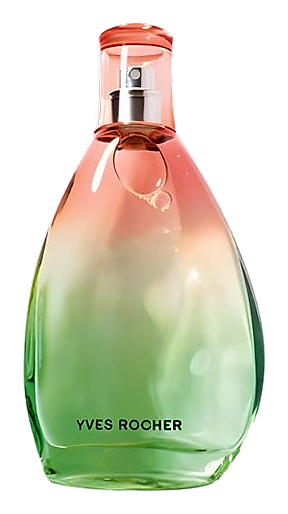
Fragrances featuring Lime (linden Blossom)


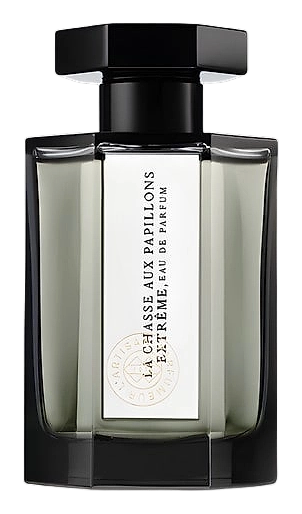
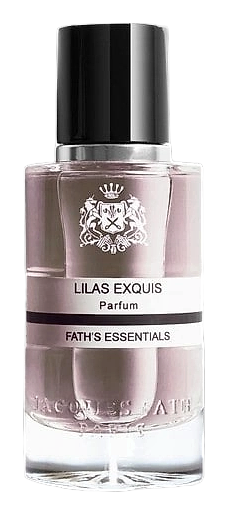
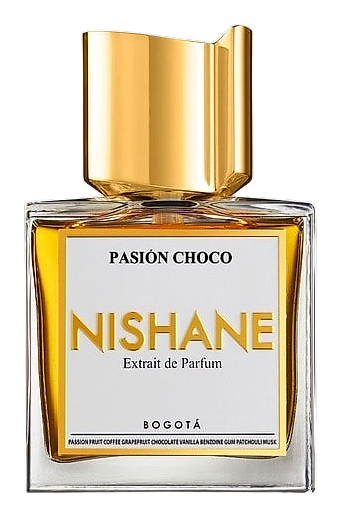
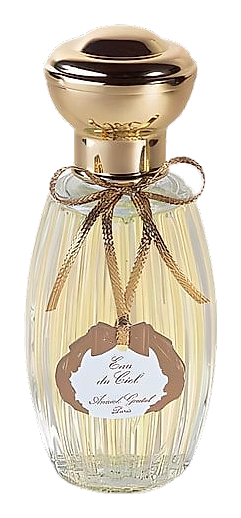
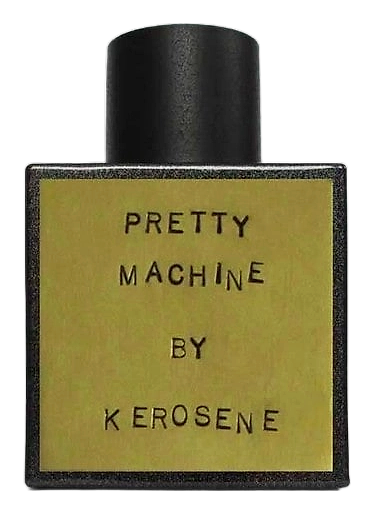
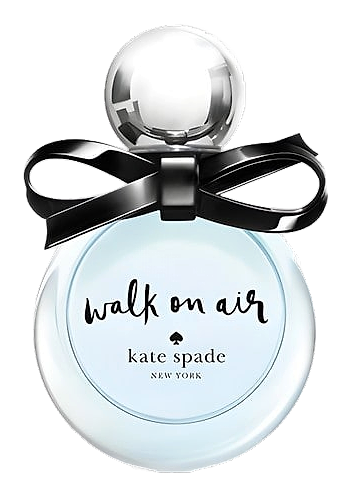
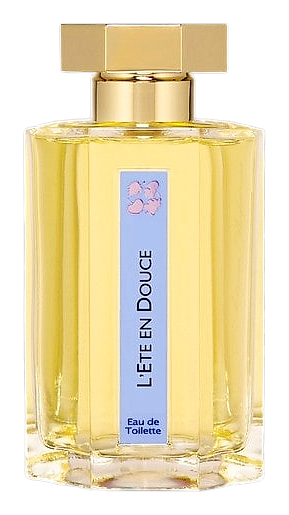
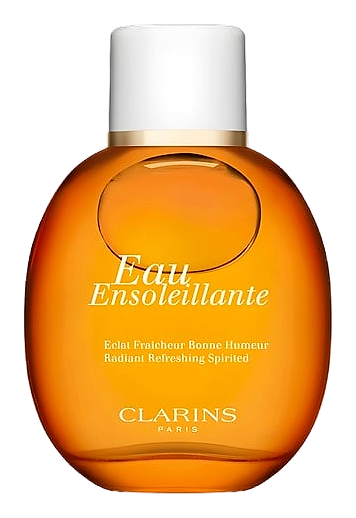
Brands
Brands known for Lime (linden Blossom)
Good to know
Questions, answered
The essentials on Lime (linden Blossom) in perfumery: how it smells, where it comes from, and how it behaves on skin.
Is linden blossom a natural or synthetic ingredient in perfume?
Linden blossom exists primarily as a synthetic ingredient in most fragrances. Natural steam distillation of the blossoms is technically possible but extremely rare due to the flowers' two-week blooming window and rapid aromatic degradation after harvest. Houses like Givaudan create proprietary synthetic blends that replicate the sweet, honeyed floral profile.
What does linden blossom smell like?
Linden blossom smells like sweet, honeyed floral notes with a subtle green undertone, reminiscent of warm summer evenings near blooming trees. The scent carries hints of mimosa and has a delicate, slightly translucent quality that The Perfume Society describes as beautifully sweet and calming.
Which fragrance families commonly use linden blossom?
Linden blossom appears most frequently in spring and summer florals, often paired with mimosa, white musk, and green tea notes. The note suits light, airy compositions and frequently bridges floral and green fragrance families, adding warmth without heaviness.
Why is authentic linden blossom so rare in perfumery?
Authentic linden blossom is rare because Tilia cordata trees bloom for only about two weeks annually, and the aromatic compounds begin degrading immediately after harvesting. Additionally, both essential oil and hydrosol require steam distillation processed right away, making large-scale natural extraction economically impractical.
What is the difference between linden and citrus lime in perfumery?
Linden blossom (from Tilia trees) and citrus lime (from Citrus aurantifolia) share a name but differ completely in origin and scent. Lime provides sharp, tart, citrus brightness, while linden offers soft, sweet, honeyed floralcy. The Perfume Society notes linden is also known as "tilleul" specifically in perfumery contexts.
Can linden blossom be extracted at home?
Home extraction of linden blossom is highly impractical. The process requires immediate steam distillation upon harvesting, and the blooms last only two weeks in early summer. Most home attempts yield minimal aromatic material, which is why even artisan perfumers like those at Tamanu Perfumes source their materials through specialized channels.
What countries traditionally produce linden blossom materials?
Linden materials historically originate from Western and Central Europe, particularly France, where the Tilia cordata species thrives along boulevards and in parks. The tree also grows abundantly across Russia, Germany, and Eastern European nations, though commercial extraction remains limited globally.
How long has linden blossom been used in perfumery?
Linden blossom has been referenced in European perfumery since at least the Belle Epoque period, when Parisian culture celebrated the tree's annual bloom. However, the ingredient remained elusive in commercial fragrance for decades, only gaining traction as synthetic recreation methods improved in the late twentieth century.


