
The Story
Why it exists.
The beginning
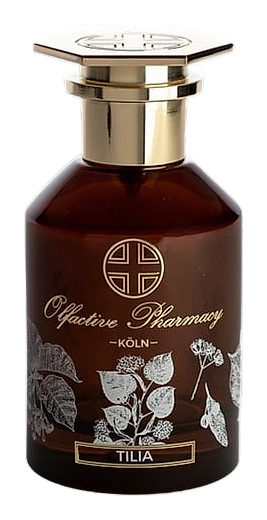
Mark Buxton designed Tilia around a single unusual material: linden blossom. Known in herbal medicine as a calming agent, the kind of thing brewed into tea for restless nights, linden occupies a specific emotional register that most perfumers never touch. The 2020 release arrived with a quiet confidence, not trying to compete with louder compositions in the niche space. Instead, it focused on doing one thing with precision: capturing the exact sensation of a warm afternoon where everything slows down.
What makes the structure unusual is the beeswax. It's not a standard perfumery material, it sits somewhere between sweet and animalic, adding a honeyed depth that grounds the florals without tipping into gourmand territory. Combined with Bulgarian rose and jasmine sambac in the heart, the composition avoids the soapy trap many white floral fragrances fall into. Instead, there's a slight waxy warmth that keeps everything cohesive. The result is a fragrance that smells like memory, not of a specific place, but of a feeling.
The evolution
The opening hits crisp and immediate: bergamot, tangerine, a flash of cardamom warmth. Magnolia appears within the first minutes, soft and creamy against the citrus. Around the 20-minute mark, the citrus recedes and the heart takes over, linden blossom rises to meet beeswax and jasmine sambac, creating a honeyed, slightly powdery warmth that feels nothing like the opening. The Bulgarian rose adds a faint green edge that keeps it from becoming cloying. By hour two, the drydown arrives: musk and cedar, with tonka bean lending a soft sweetness that settles close to the skin. The amber threads through the entire second half, adding a warmth that survives into hour six or seven on most skin types. What lingers longest isn't a single note, it's the soft powdery impression that stays intimate and close, the kind that someone standing next to you will notice before you do.
Cultural impact
Tilia arrived in a niche market saturated with bold, statement fragrances, and chose restraint instead. The linden blossom note sets it apart from the start, avoiding the common perfumery materials in favor of something most wearers associate with a different context entirely. It's found a audience among people who want complexity without performance, a fragrance that works with the wearer rather than announcing them.