


Heritage
A house, in its own words
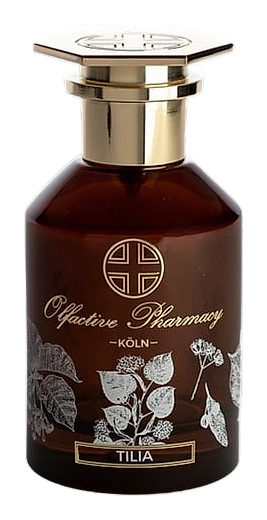
Oliver and Holger Dubben established Olfactive Pharmacy in 2020 in Cologne, Germany. Both trained as pharmacists, and the brand emerged from their shared conviction that perfumery could benefit from the systematic, material-focused approach characteristic of pharmaceutical science. Rather than positioning fragrance as purely artistic or commercial, the founders treated scent development as a form of applied chemistry, one where raw material selection, concentration logic, and formula stability carry equal weight alongside aesthetic outcome. The timing of the brand's founding placed it within a broader wave of artisanal fragrance houses in Europe that emphasize transparency, small-batch production, and conceptual coherence. Each fragrance in the Olfactive Pharmacy catalog corresponds to a specific year of release, starting with three offerings in 2020 (Betula, Tilia, and Salvia) and followed by Thymus in 2024. The naming convention references botanical nomenclature, and each release anchors itself in a single olfactory concept. The brand operates independently, without reported ties to larger luxury groups or established fragrance dynasties, which contributes to its relatively low public profile compared to houses with centuries of heritage. Its appearance at trade events such as Pitti Fragranze has served as one of the primary public-facing moments for the brand. The philosophy driving Olfactive Pharmacy centers on the idea that fragrance should operate as a precise instrument rather than a decorative afterthought. The Dubben brothers draw explicitly from their pharmaceutical training, emphasizing that scent composition requires the same rigor applied to pharmaceutical formulation: understanding molecular behavior, anticipating material interactions, and maintaining consistency across batches. This approach manifests in the brand's deliberate restraint. Rather than building fragrances around layered complexity or marketing-driven concept narratives, Olfactive Pharmacy favors clarity and specificity. Each fragrance carries a single stated subject, and the formula is structured to articulate that subject with minimal ornamentation. The brand avoids gender-based marketing segmentation, positioning its collection as universally accessible. Environmental considerations also enter the philosophy, though the brand does not publish detailed sustainability commitments. Material sourcing is approached with a pharmacist's skepticism toward supply chain opacity, leading to an emphasis on traceable, well-documented ingredients. The resulting creative stance is less about emotional storytelling and more about functional excellence, treating fragrance as a discipline with legitimate intellectual foundations.