West Indian Bay
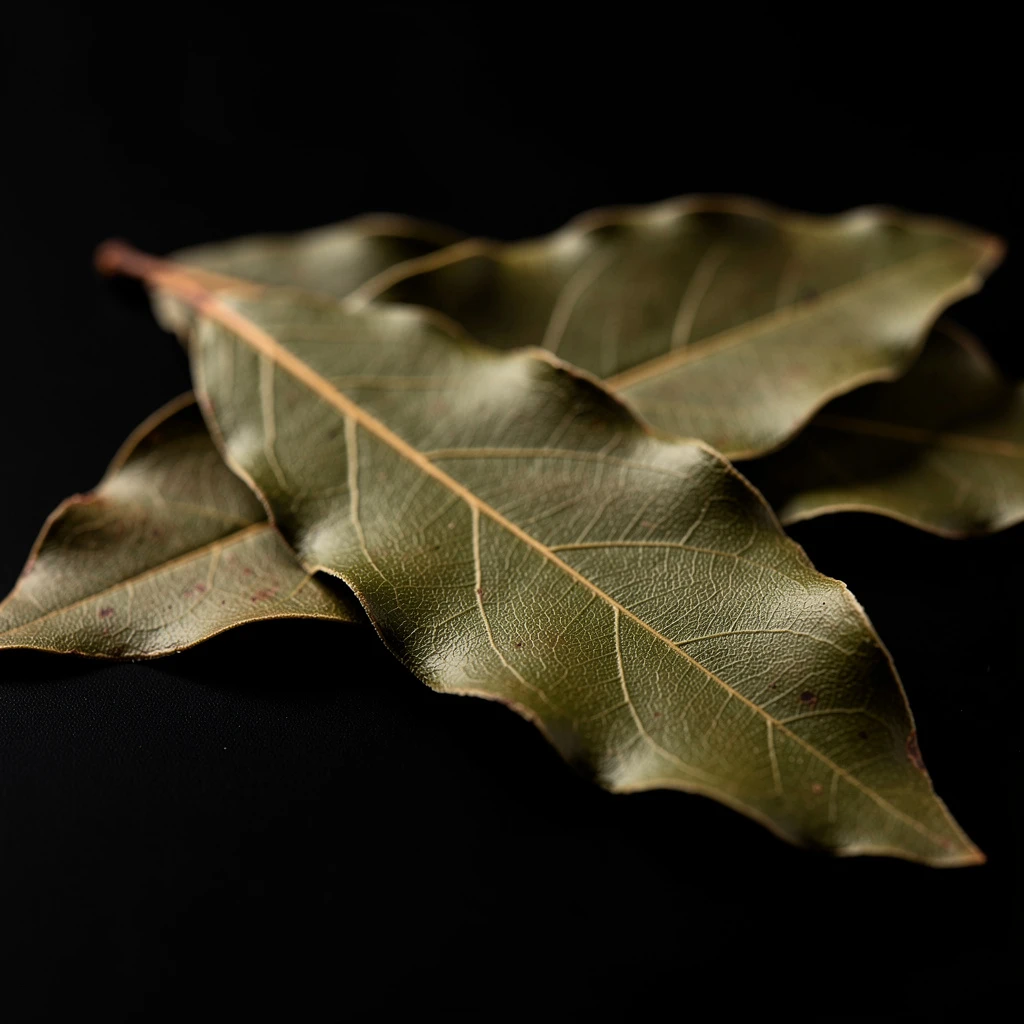
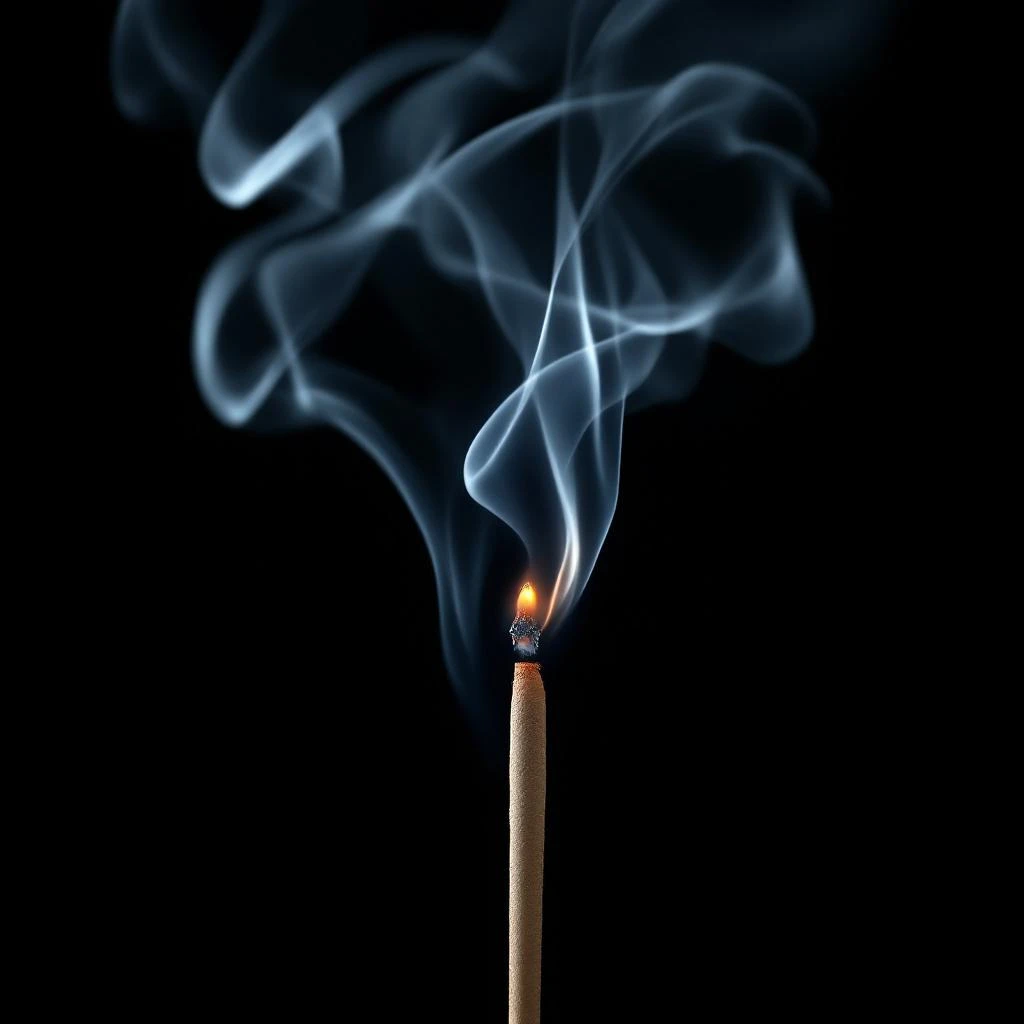
West Indian Bay oil captures the bright, spicy aroma of Caribbean Pimenta racemosa leaves, delivering a crisp, herbal snap that lifts masculine and unisex blends with a fresh, peppery edge.
Character
How it smells
Caribbean spice captured in a single drop.
The oil contains up to 55% eugenol, the same compound that gives clove its signature bite, making West Indian Bay one of the most eugenol‑rich essential oils used in perfumery.







Origin
U.S. Virgin Islands
West Indian Bay oil first appeared in the 18th‑century Caribbean, where colonists mixed the distillate with rum, sugar, and citrus to create the iconic bay rum tonic. The tonic served as a skin tonic, after‑shave refresher, and a social fragrance in ports from St. Thomas to Havana.
By the early 1900s European perfumers imported the oil, using it in masculine colognes such as Capucci pour Homme and later in niche blends that prized its fresh, herbal edge. The oil’s popularity survived Prohibition, when American sailors smuggled bay rum bottles aboard ships. In the 1970s a resurgence of interest in natural ingredients brought West Indian Bay back into laboratory production, and today small farms in Dominica and St.
Kitts continue to supply boutique fragrance houses. The note remains valued for its ability to add a crisp, spicy brightness without overwhelming sweetness.
Wears it best
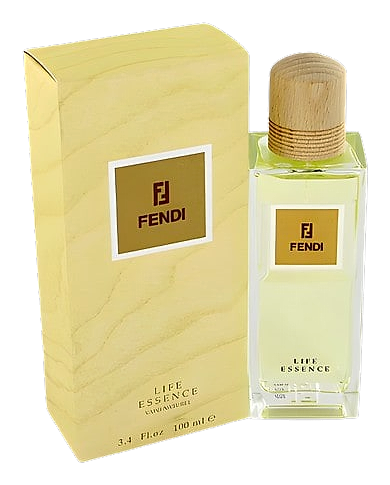
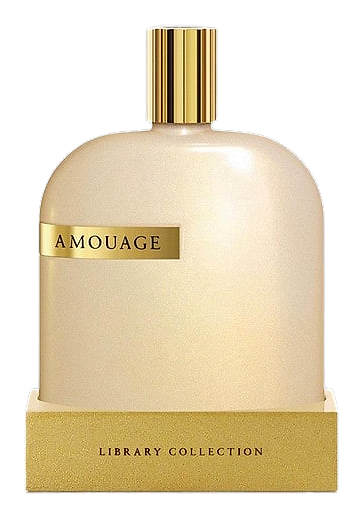
Fragrances featuring West Indian Bay
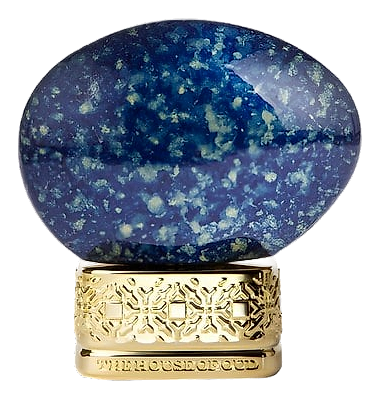
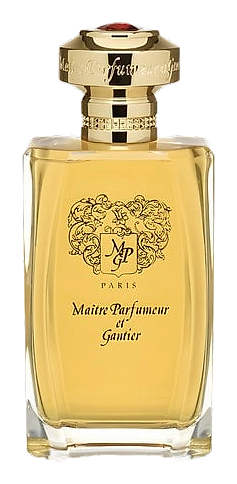
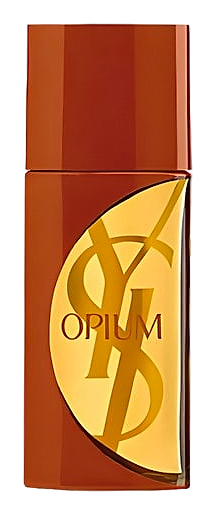
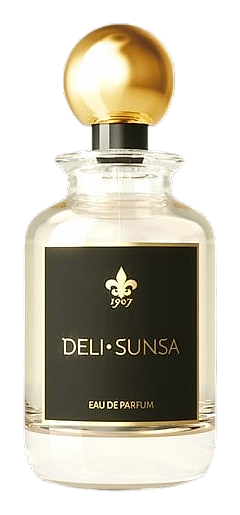
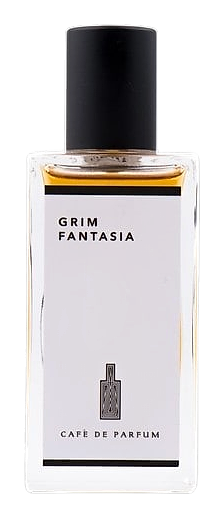
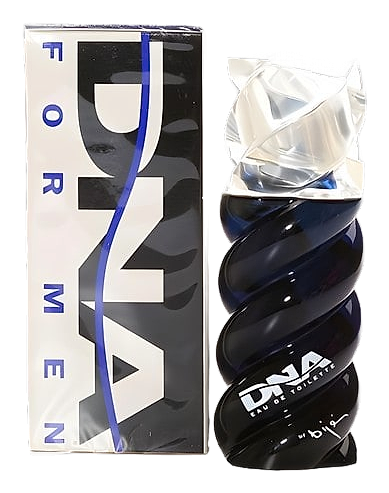
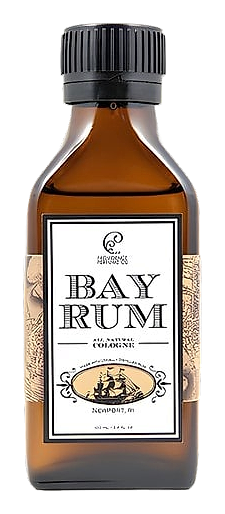
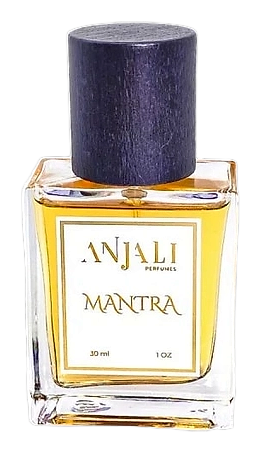

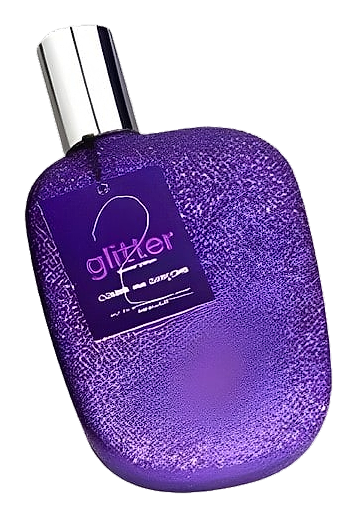
Brands
Brands known for West Indian Bay
Good to know
Questions, answered
The essentials on West Indian Bay in perfumery: how it smells, where it comes from, and how it behaves on skin.
What botanical source provides West Indian Bay oil?
West Indian Bay oil is extracted from the leaves and young twigs of the Pimenta racemosa shrub, a member of the Myrtaceae family native to the Caribbean islands. A 2021 survey of Dominican farms recorded an average leaf yield of 12 kg per plant during the peak harvest month.
How is West Indian Bay oil produced?
Producers obtain the oil by steam distilling freshly harvested foliage in stainless-steel stills at near‑boiling temperature. The process runs three to four hours and typically yields 0.4% oil by weight, according to a 2022 technical report from a St. Thomas distillery.
What are the main aroma compounds in West Indian Bay oil?
The oil’s scent is driven by eugenol, which makes up 40‑55% of the composition, followed by myrcene and chavicol. Laboratory GC‑MS data from a 2023 Caribbean study listed eugenol at 48% in a representative batch.
Which fragrance families commonly feature West Indian Bay?
Perfume creators place West Indian Bay in aromatic‑spicy and fresh‑herbal families, often as a top‑note accent. In 2020, the International Fragrance Association recorded its inclusion in 12% of new masculine launches.
Is West Indian Bay oil safe for skin application?
The oil is generally regarded as safe when diluted to 1‑2% in carrier bases for topical use. A 2019 dermatology panel noted no allergic reactions in a trial of 150 participants using a 1.5% formulation.
How does West Indian Bay differ from true bay leaf oil?
True bay leaf oil comes from Laurus nobilis, while West Indian Bay derives from Pimenta racemosa, giving a higher eugenol content and a brighter, more peppery profile. Comparative analysis in 2021 showed eugenol levels of 48% versus 12% in Laurus oil.
What role did West Indian Bay play in colonial trade?
Colonial merchants exported bay rum, a mixture of West Indian Bay oil, rum, and citrus, as a luxury grooming product across the Atlantic. Export logs from 1795 list shipments of 2,300 liters from St. Thomas to London.
Can West Indian Bay be synthetically reproduced?
Chemists can mimic its scent by blending synthetic eugenol with myrcene and chavicol analogues, but the natural oil retains a unique balance of minor terpenes. A 2022 patent filed in the EU cites a 30% reduction in consumer preference for the synthetic replica versus the natural extract.