The Story
Why it exists.
The beginning
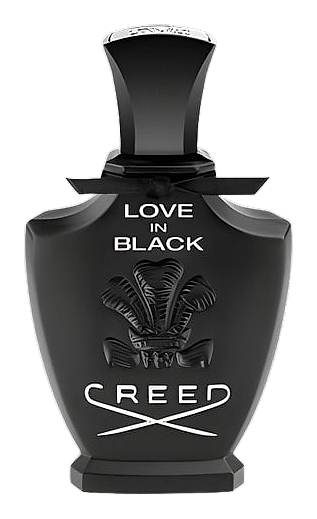
In 2008, Olivier Creed and Erwin Creed turned their attention to a woman whose name alone carries weight: Jacqueline Kennedy Onassis. She wasn't a perfume obsessive, she reportedly favored civet bombs like Jicky. But the House saw something else. A woman who commanded rooms without raising her voice. Who dressed in pink and still made empires listen. Love In Black became a tribute to that kind of presence, translating the places she loved into a fragrance that refuses to stay quiet. Violet from Italy. Iris from Florence. Rose from Bulgaria. Blackcurrant from Burgundy. The geography is the biography.
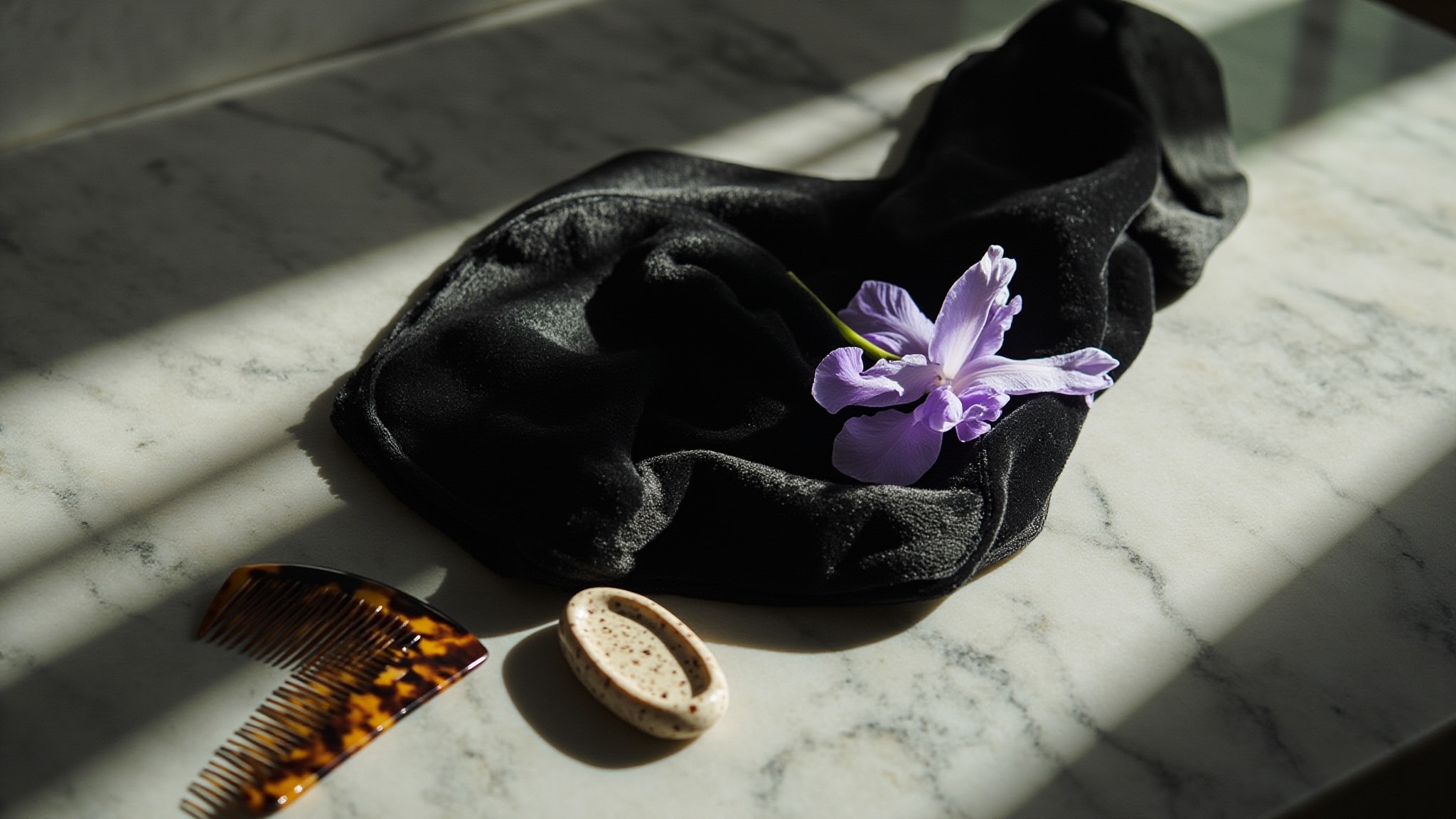
What makes this composition hold together is the tension between powder and bite. Violet on its own risks becoming decorative, something you'd find in a soap bar. The blackcurrant prevents that. It adds a tart, almost winelike quality that keeps the florals from floating away into abstraction. The cloves in the heart don't announce themselves as spice; they work quietly, adding warmth and a hint of the unexpected. Florentine iris is the real structural move here, powdery, complex, with a slightly woody undertone that bridges the top to the base without ever fully surrendering to either. It's a note that asks you to pay attention.
The evolution
The opening announces itself immediately, violet and blackcurrant, powder and tart, arriving together in a way that feels deliberate rather than accidental. Cedarwood is there too, a whisper of wood that keeps the florals grounded for the first twenty minutes or so. Then the hand-off begins. The bright violet recedes; the cloves and iris take over, shifting the fragrance from playful to something more complex. The drydown is where Love In Black earns its name. Bulgarian rose and musk settle close to the skin, warm and intimate, lasting through the evening on most wearers. Some report it lingering into the next day on fabric, a quiet persistence that outlasts the initial impression.
Cultural impact
Love In Black occupies an interesting space in the Creed lineup, floral when most of the house leans masculine, powdery when the trend was moving toward fresh and aquatic. It found its audience in women who wanted presence without aggression, someone who walks into a room and doesn't need to announce herself. The Jacqueline Kennedy Onassis inspiration gave it narrative weight beyond the notes, a kind of aspirational framing that aligned with Creed's aristocratic positioning. It remains in production, a quiet signal that the formula works.