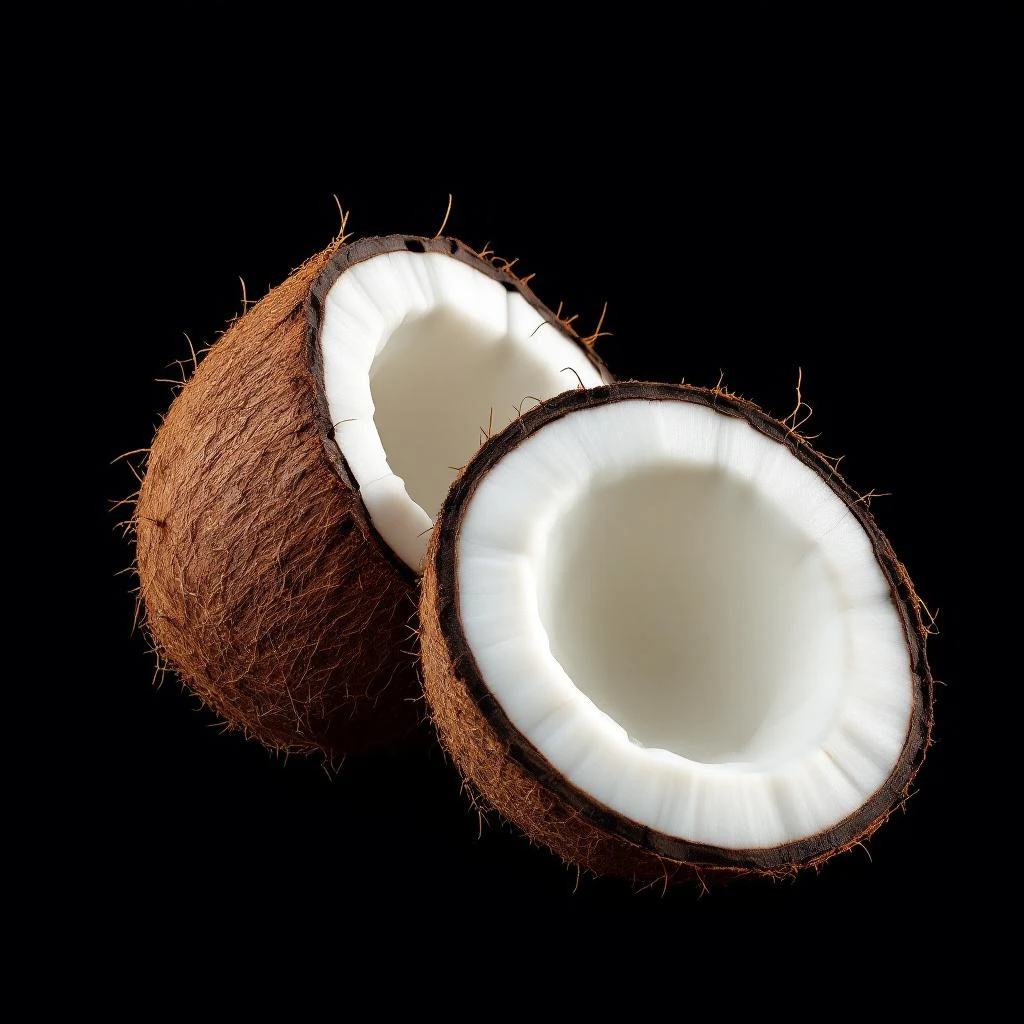
Burgundy Blackcurrant
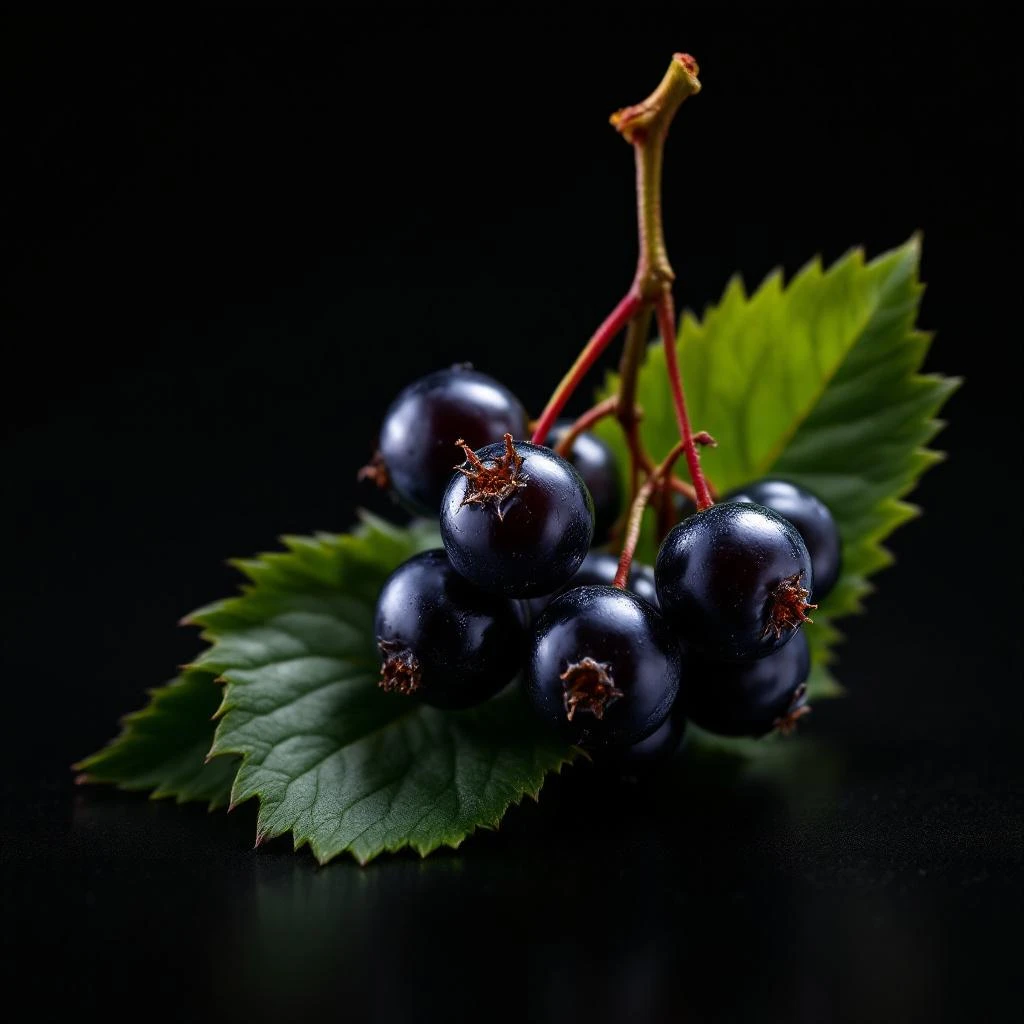
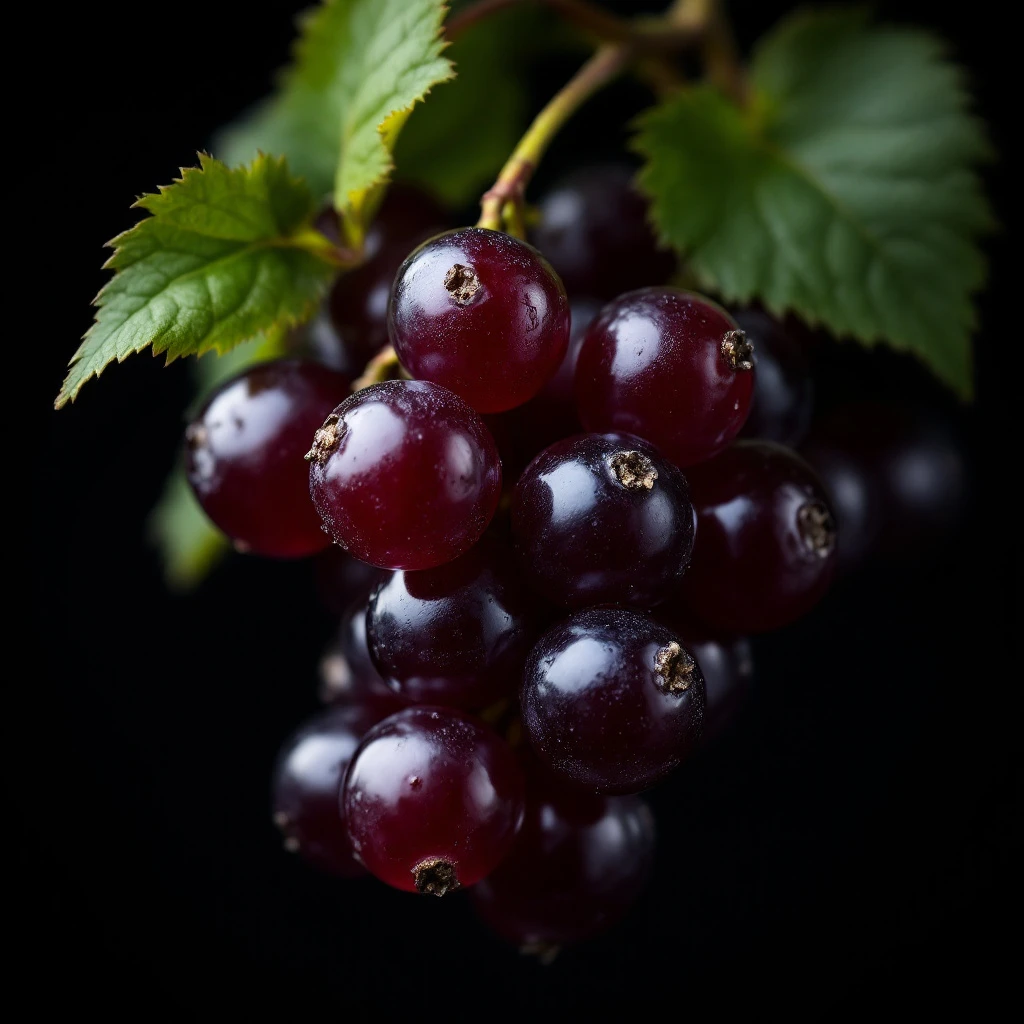
Burgundy Blackcurrant captures the deep, wine-dark intensity of ripe blackcurrant with an unexpected green, almost catty edge. This variety from France's Burgundy region delivers remarkable complexity for perfumers seeking a multi-dimensional fruity note.
Character
How it smells
Dark fruit with a green bite from Burgundy
The distinctive 'catty' note in blackcurrant comes from thiols—same compounds that give grapefruit its signature scent.





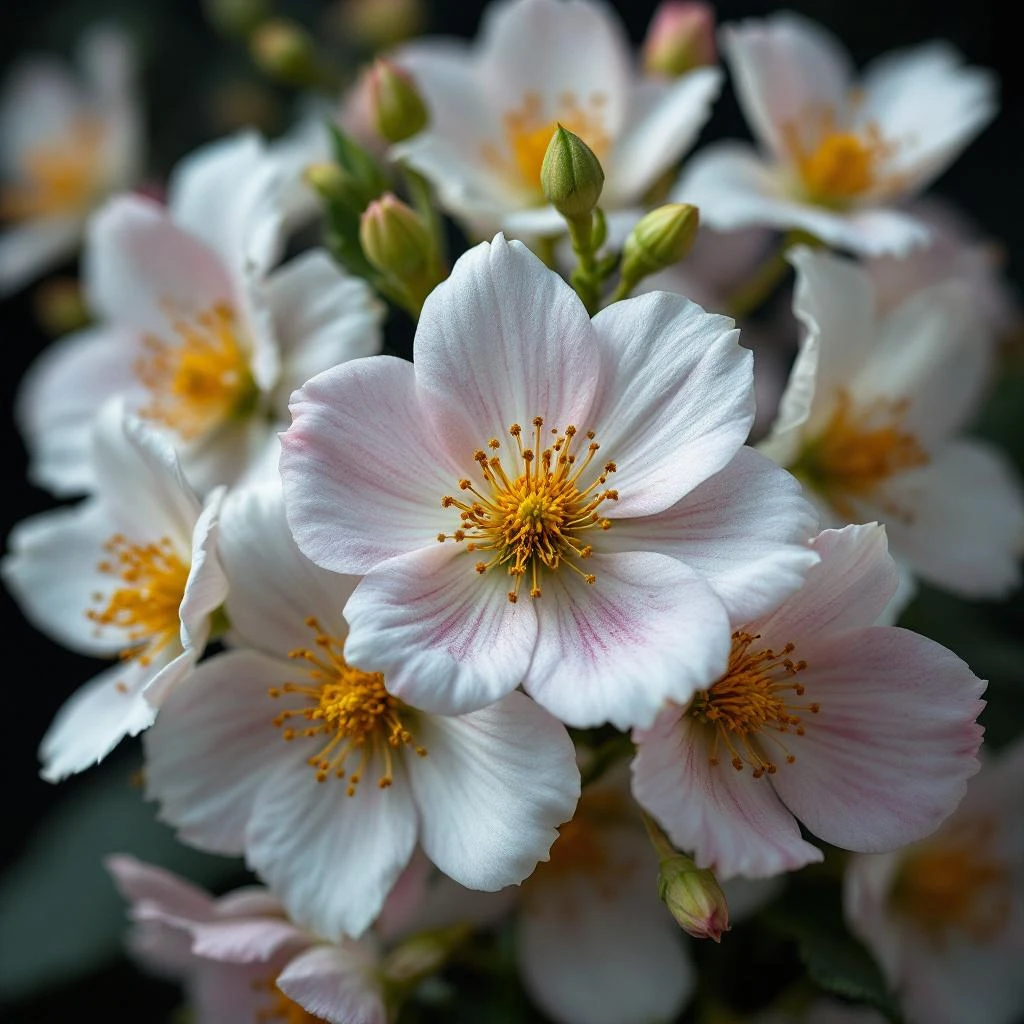
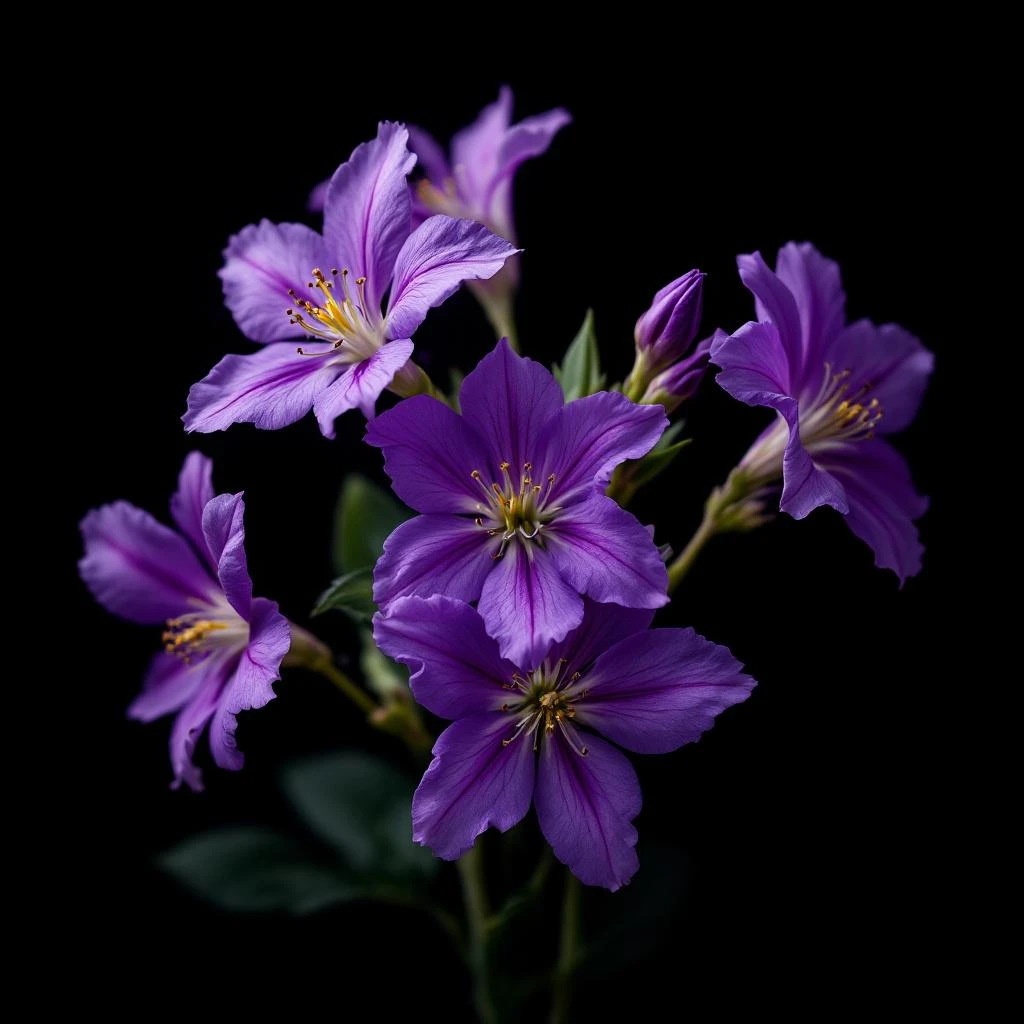
Origin
France
The Burgundy region's connection to blackcurrant dates to 1841, when crème de cassis—a blackcurrant liqueur—first appeared in Dijon. This sweet, intensely flavored spirit established the fruit as a regional specialty and remains a benchmark expression of Burgundy's terroir-driven agriculture.
Perfumers began working systematically with blackcurrant in the 1960s and 1970s, recognizing the bud's potential for creating bright, green-fruity accords impossible to achieve with other materials. The timing coincided with a broader movement toward natural ingredients in French perfumery, as houses sought new aromatic territories.
Burgundy blackcurrant carries particular prestige among fragrance houses. The region's unique combination of limestone soils, continental climate, and precise rainfall patterns produces currants with elevated concentrations of thiol compounds. These sulfur-containing molecules create the ingredient's characteristic green-catty dimension—a scent profile that varies noticeably depending on geographic origin.
Today, blackcurrant absolute remains a cornerstone of fruity chypre and green fragrance constructions, lending unmistakable character to some of the industry's most recognized scents.
Wears it best
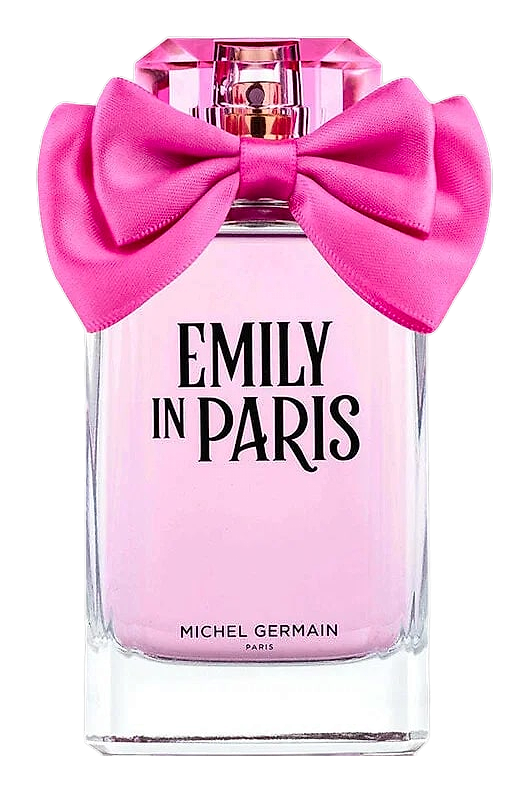
Fragrances featuring Burgundy Blackcurrant
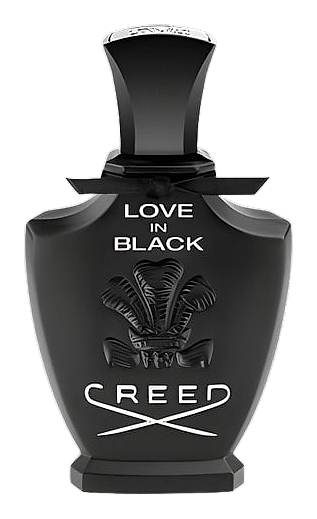
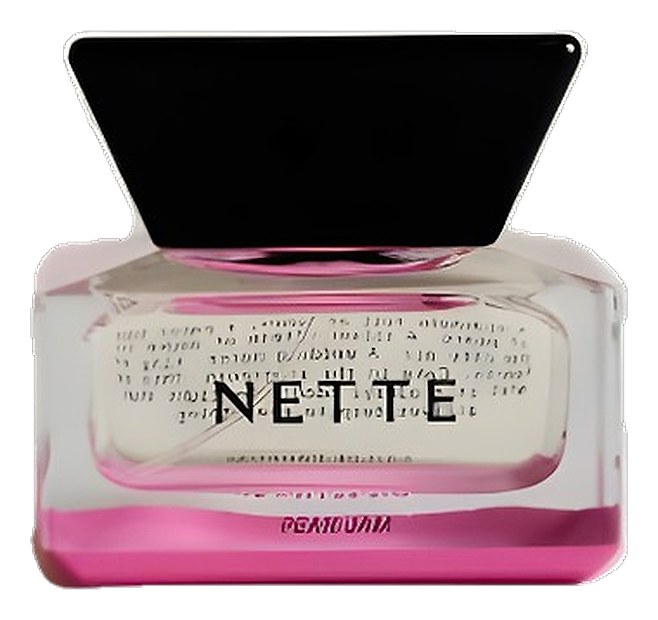
Brands
Brands known for Burgundy Blackcurrant
Good to know
Questions, answered
The essentials on Burgundy Blackcurrant in perfumery: how it smells, where it comes from, and how it behaves on skin.
What is the difference between blackcurrant bud absolute and blackcurrant fruit notes in perfumery?
Bud absolute delivers green, floral, and slightly animalic facets with the characteristic catty thiol note. Fruit notes provide jammy sweetness and berry character. Most fragrances use both to build a complete blackcurrant impression.
Why is the 'catty' note in blackcurrant so distinctive?
Thiol compounds—specifically 4-methoxy-2-methylbutane-2-thiol—create blackcurrant's unique green-sulfurous character. These same molecules occur in cat urine, which is where the descriptor originated.
When did perfumers first start using blackcurrant in fragrances?
Perfumers systematically incorporated blackcurrant into fragrance formulas during the 1960s-1970s, though isolated uses may have occurred earlier. The note gained prominence alongside the fruity fragrance trend.
Why is Burgundy the benchmark origin for blackcurrant in perfumery?
Burgundy's limestone-clay soils and cool continental climate produce blackcurrants with elevated thiol concentrations. Perfumers report more intense green-fruity character compared to other growing regions.
Is natural blackcurrant absolute common in modern perfumery?
Natural blackcurrant absolute remains relatively rare due to extraction costs and limited supply. Many fragrances use synthetic reproductions of key thiol compounds, though natural versions offer superior complexity.
What fragrance families pair best with blackcurrant?
Blackcurrant performs exceptionally in chypre, green, and fruity compositions. It anchors rose-violet combinations, extends citrus brightness, and adds depth to marine or aromatic constructions.
Does terroir affect blackcurrant's scent profile in perfumery?
Yes. Soil composition, rainfall patterns, and temperature variations directly influence thiol and ester concentrations in blackcurrant buds. This explains why identical extraction methods yield noticeably different aromatic profiles depending on origin.
Can blackcurrant absolute be blended with other fruity materials?
Blackcurrant absolute harmonizes naturally with raspberry, strawberry, and cherry accords. It also bridges between fruity and green aromatic spaces, connecting fruit notes with herbal or galbanum elements.