The Story
Why it exists.
The beginning
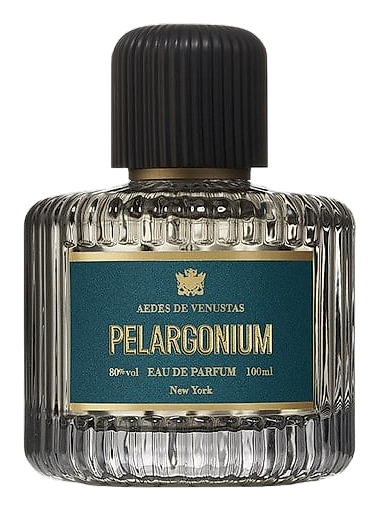
Pélargonium takes its name from the pelargonium plant, commonly called geranium, though botanically distinct from the roses we call geranium. The name itself is a quiet declaration: this is geranium as intended, not as footnote. Nathalie Feisthauer, the nose behind this, describes geranium as aromatic, with a crushed-leaf facet, less fruity and more balsamic than rose, almost incense-like. She's spent decades understanding how materials interact, and here she's made geranium the protagonist rather than supporting actor. The brand's West Village origins shaped the approach, intellectual rigor applied to materials that most houses use as accents. Aedes de Venustas treats fragrance as living art form to study, not merely wear. Pélargonium is that philosophy made tangible: a fragrance built around an ingredient most people overlook, and making them understand why it matters.
What makes Pélargonium unusual is the structural choice to build downward rather than up. Most fragrances start bright and expand into complexity. This one begins with cool orris and cedar, establishing a frame, then adds geranium as the dark, smoky centerpiece, the background becoming the foreground. Elemi resin brings lemony, peppery incense notes that enhance both the fresh and balsamic facets of geranium. Carrot seed enriches the orris accord with herbal sweetness. The ambery clary sage suggests velvety leaves, creating contrast and volume within the composition. The result is a fougère that refuses to be cozy. Vetiver Haiti provides smoky earthiness. Moss adds green depth.
The evolution
The opening announces bergamot and black pepper with immediate clarity, bright, almost startling in their cleanliness. Mandarin orange adds a brief sweetness, but it's Sichuan pepper that provides the real intrigue: a subtle numbing quality that tingles on the skin for the first few minutes. Then the hand-off begins. The citrus recedes, and geranium steps forward with its crushed-leaf, balsamic character. This isn't the sweet geranium of lady's perfumes. It's herbal, slightly medicinal, with an incense quality that suggests something older. Elemi resin amplifies this, peppery, lemony, almost turpentine-like in its clarity. The heart holds for hours. Carrot seed and orris root provide herbal sweetness and powdery depth that prevent the composition from becoming merely atmospheric. Cedar and guaiac wood create a woody frame that keeps everything structured. The drydown arrives quietly around hour four. Vetiver and moss take over, smoky, earthy, with the green complexity of moss rather than simple forest notes.
Cultural impact
Pélargonium occupies a specific position in niche fragrance, it appeals to people who've moved past the obvious choices and want something with actual depth. The incense-like geranium, the smoky vetiver, the spare drydown: these aren't crowd-pleasers. They're conversation starters. Wearers describe it as the scent of someone who walks into a room and doesn't need to announce themselves. It has presence without projection, complexity without chaos. The moderate sillage means it stays close, intimate, personal, the kind of fragrance that rewards proximity. In a market flooded with safe florals and predictable Orientals, Pélargonium offers something different: a fragrance that asks you to pay attention.