
The Story
Why it exists.
The beginning
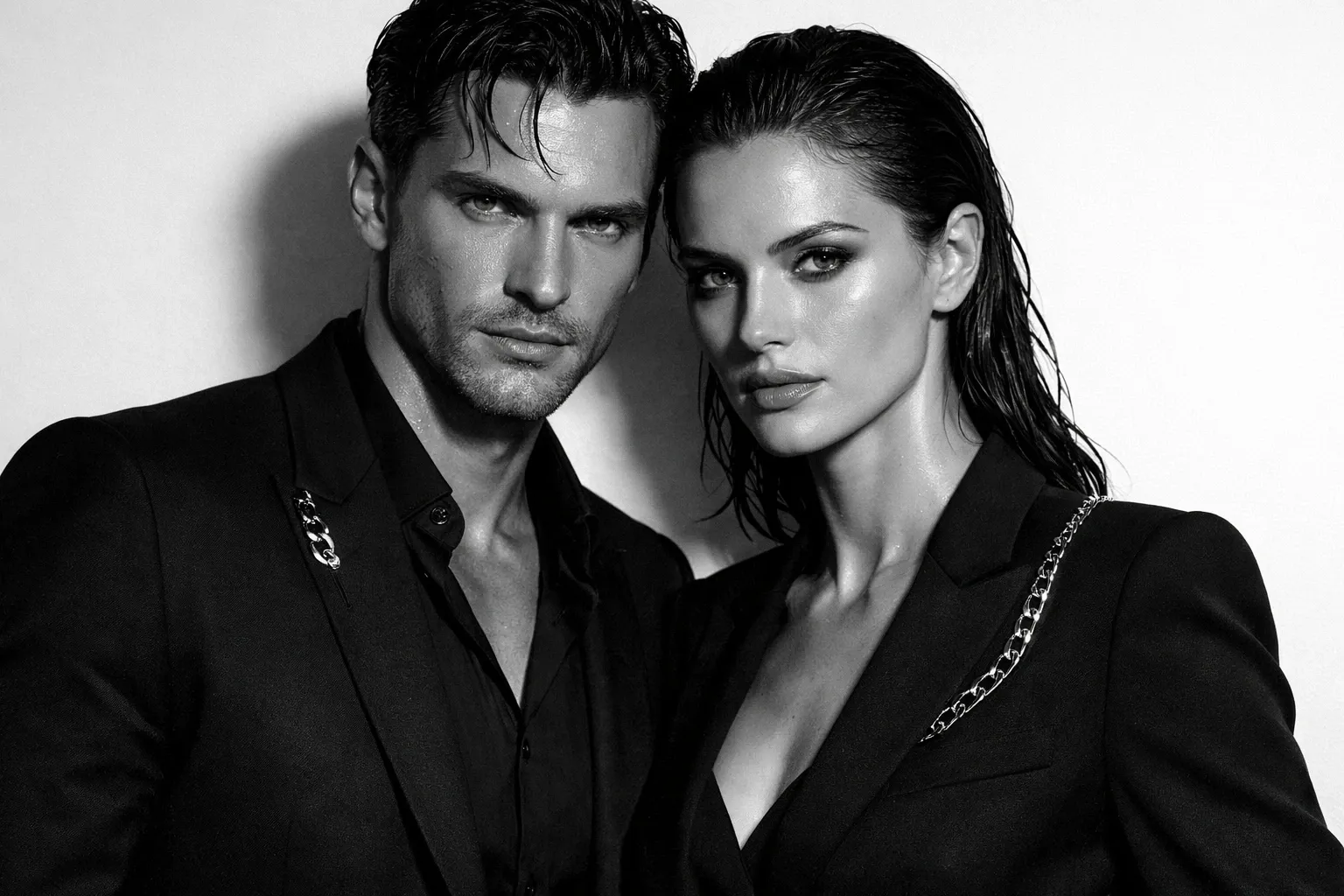
Béatrice Piquet created Emporio Armani Night in 2003 as the house's answer to evening wear that didn't require a wardrobe change. The name says night, but the composition never fully lets go of the day, opening clean, ending warm, built for the hours in between. It wasn't trying to reinvent anything. Just do one thing well.
What makes this structure interesting is the hand-off. The citrus doesn't disappear so much as recede, making room for something softer in the heart. The sage and violet aren't loud, they sit quiet and powdery while the real story builds underneath. Then the base arrives: a slow-warm combination of tonka bean and vanilla that doesn't rush. It's the kind of drydown that actually earns its name.
The evolution
The opening hits crisp and citrus-forward, grapefruit and mandarin, a quick brightness that clears the air. Within twenty minutes the sage arrives, tempering the sharpness into something herbaceous and calm. The violet stays subtle, mostly lending a powdery warmth that bridges the top and heart. Then comes the slow turn: the chili in the heart isn't loud, just a faint prickle of warmth that keeps things from getting too soft. By the second hour, the tonka and vanilla have taken over. Cedar and patchouli settle deep, woody and dry, while the white musk keeps everything close to the skin. The drydown lasts, six to eight hours on most, intimate sillage, the kind that someone standing beside you will notice before you enter a room.
Cultural impact
Emporio Armani Night carved out a specific space in the early 2000s fragrance landscape: woody-spicy with enough warmth to work after dark, but balanced enough for daily wear. It's been discontinued, which has only sharpened its cult following among those who found it and never forgot it.