The Story
Why it exists.
The beginning
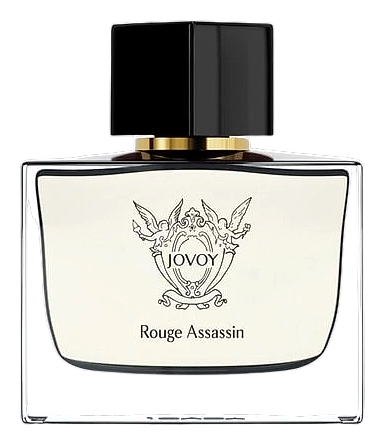
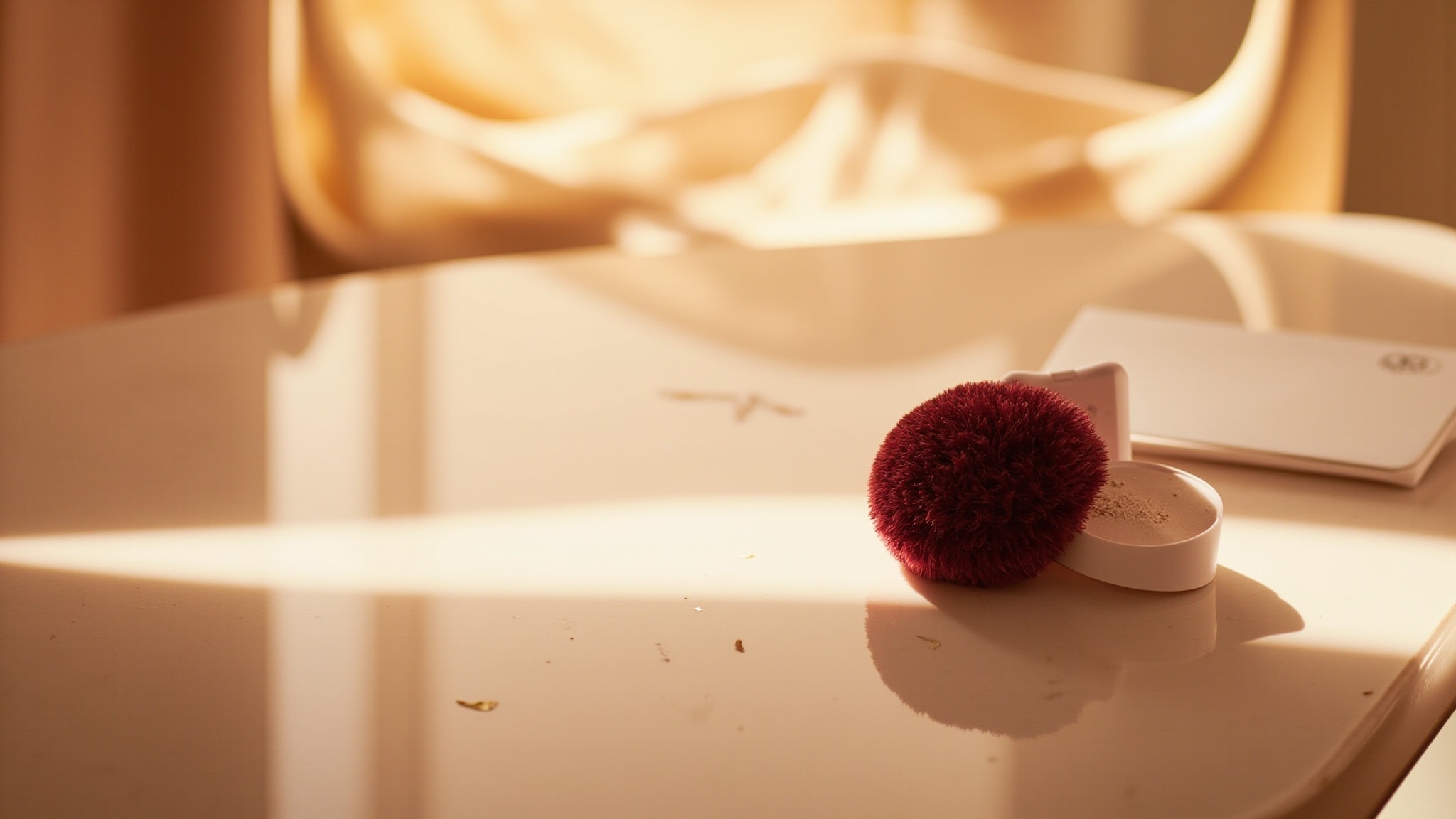
Jovoy's 2012 release takes its name from a specific kind of woman, the one who doesn't announce herself when she enters a room. The word 'assassin' here doesn't mean loud or aggressive. It means precise. Calculated. The kind of strike that lands before anyone realizes the blade was drawn. Perfumer Amélie Bourgeois built this fragrance as an homage to femininity at its most intimate: the powder room, the last look in the mirror, the lipstick applied before stepping back into the world.
The iris butter is the structural choice here, it behaves like a solid perfume melted into the composition, giving the entire pyramid a powdery, slightly waxy quality that mimics the texture of old lipsticks and pressed powder compacts. Ambrette, a seed that smells like a gentler musk, keeps the heart from going sharp. And the rice powder, a nod to East Asian cosmetics traditions, bridges the gap between the iris and the woody base, creating a texture that reads as both vintage and modern. These three materials don't just coexist. They reinforce each other, building a fragrance that smells like a specific time and place rather than a generic idea of femininity.
The evolution
The opening is bergamot and rose, bright, citrusy, a little too polite to reveal what's coming. For the first twenty minutes, this could be any floral. Then the iris arrives. Not with fanfare. With a quiet insistence that changes everything. The powdery quality takes over, and suddenly you're in different territory: the rice powder and ambrette add texture, a creamy density that feels like makeup on warm skin. This is the heart of the fragrance, where it stops being perfume and starts being atmosphere. The drydown softens further. Benzoin and vanilla bring warmth, while sandalwood and cedar settle into a base that stays close. The musk is there throughout, but it never announces itself. It just holds everything in place. What lingers after six to eight hours: iris and sandalwood. Powder and warmth. The impression of someone who walked past an hour ago and left a trace.
Cultural impact
Rouge Assassin occupies a specific niche: powdery florals with a vintage cosmetics quality. It's the kind of fragrance that divides opinion precisely because its name promises something its character doesn't deliver. The 'assassin' in the title suggests precision, but the sillage suggests intimacy. Wearers either love it for that closeness, the second-skin quality, the hint of old Hollywood glamour, or they find it too quiet for the price. What it doesn't do is disappear entirely. Even at low projection, the iris and rice powder leave an impression on anyone who gets close enough.