
The Story
Why it exists.
The beginning
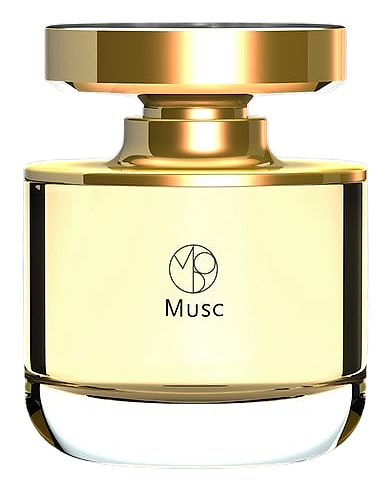
Musc arrived in 2010 as part of the Les Nombres d'Or collection, Mona di Orio's ongoing exploration of how fragrance can hold contradictions without breaking. The name is declarative: musk. But what follows isn't. Neroli leads, bright and almost translucent, before heliotrope and rose slip in to build the powdery heart the composition is known for. It's a study in what restraint looks like when it isn't afraid to mean something.
The musk here isn't the take-no-prisoners kind. It's the kind that implies rather than announces, clean at the opening, deepening as the tonka bean absolute warms against skin. That tonka is the quiet engine of the drydown: almond-soft, vanilla-adjacent, responsible for the fragrance's uncanny ability to feel both intimate and effortless. Heliotrope does the heavy lifting in the heart, delivering the powder that makes this smell like something remembered rather than discovered.
The evolution
The first twenty minutes belong to neroli, a citrus blossom that smells like distilled morning, sharp and green at the edges before softening. By the half-hour mark, heliotrope and rose have taken over, building the powdery heart that defines Musc's character. The transition isn't dramatic; it's the quiet handover of a conversation continuing. The base arrives gradually: musk asserting itself as something clean and present, tonka bean absolute adding warmth that reads as skin, not perfume. By hour three, the composition has settled into its most honest phase, close, soft, a scent that exists in the space just below the collar.
Cultural impact
Musc occupies a particular space among musks, offering warmth without aggression, presence without projection. It's a fragrance that works through suggestion rather than statement, building its effect gradually rather than announcing itself upon application. The composition manages to feel both intimate and refined, suggesting rather than shouting, creating something that exists comfortably close to the skin while still maintaining presence. For those who appreciate musks that feel considered rather than calculated, this offers a different approach, one that emphasizes texture and subtlety over assertiveness.
The House
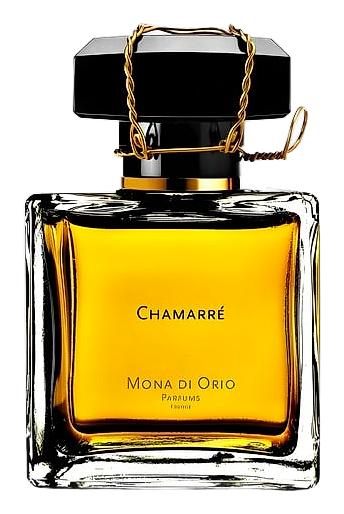
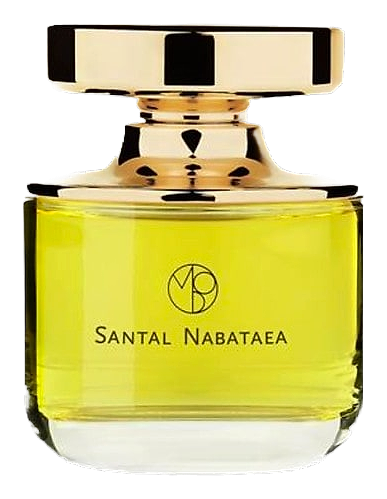
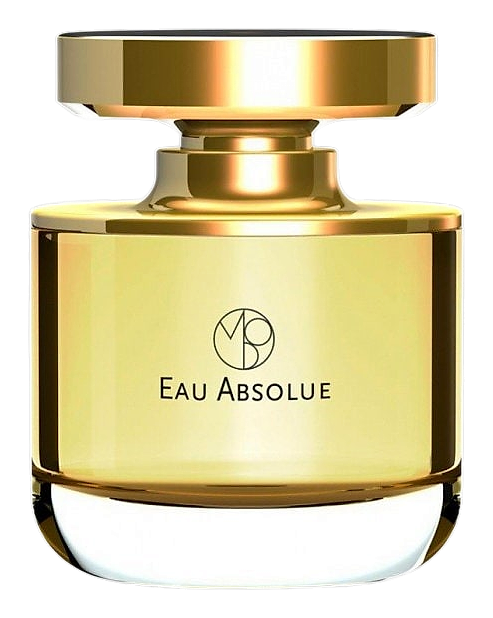
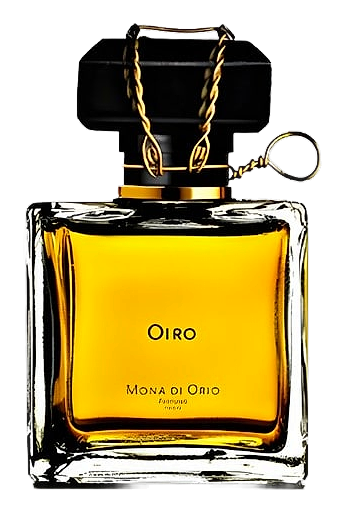
Mona di OrioMaison Mona di Orio emerged from a meeting between a classically trained French perfumer and a Dutch designer united by their passion for art and artisanal craft. Founded in Amsterdam in 2004, the house built its reputation on fragrances that bridge the golden heritage of 1920s and 1930s perfumery with a distinctly modern sensibility. Each scent plays with contrasts: light and shadow, sparkle and depth, the ephemeral and the enduring. The untimely passing of founder Mona di Orio in 2011 left a significant void, yet her vision continues through her partner Jeroen Oude Sogtoen and in-house perfumer Fredrik Dalman.
The Creator
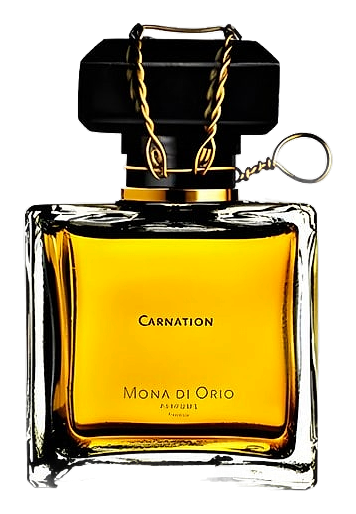
Mona di OrioHer signature emerged from classical training applied to unconventional choices. Carnation opened doors for many, its clove-spiced warmth demonstrating her comfort with assertive florals often deemed too difficult for modern noses.