
The Story
Why it exists.
The beginning
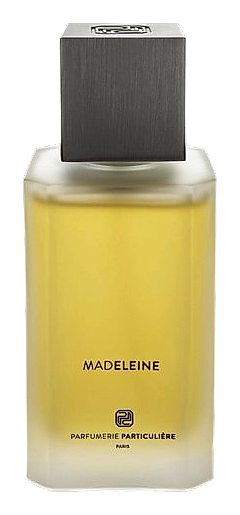
Madeleine opens with a bright citrus note that slips quickly into the foreground, but what takes over is bitter almond in a bold, unapologetic way. This is not a fleeting accent or a novelty twist; the bitter almond dominates as a full statement of intent. The fragrance doesn't soften its edges or hide what it is at its core. Bergamot appears in the opening moments, lending a sharp, sparkling quality that cuts through briefly before receding into the composition's deeper layers. What emerges is something warm and intimate, with a surprising durability that belies its delicate surface impression. The scent unfolds gradually, revealing a soft powdery quality that blankets the skin like a fine, almost edible mist.
What makes Madeleine work is the way its materials push against each other. Bergamot brings citrus brightness, but only briefly. Bitter almond arrives dense, almost edible, and refuses to leave. Heliotrope adds a powdery floral dimension that could make this feel like a traditional aldehydic perfume if left unchecked. Benzoin prevents that. It's resinous, warm, and slightly vanillic, grounding the heliotrope's softness in something more textured. White musk runs through everything, creating a skin-close effect that outlasts the opening by hours.
The evolution
The bergamot arrives sharp and bright, a citrus burst that cuts through the first moments with an almost startling clarity, like sunlight breaking through a shuttered window. Within minutes, bitter almond takes command of the composition, dense and rich, with an almost edible quality that suggests marzipan or toasted nuts. The almond doesn't whisper; it announces itself with conviction. Heliotrope powder then settles over the top notes like a fine dust, adding a soft, vintage quality that tempers the almond's intensity without overwhelming it. As the fragrance moves into its heart phase, myrrh appears quietly, introducing a subtle resinous depth that enriches the almond's sweetness without ever tipping into darkness or heaviness.
Cultural impact
Among enthusiasts drawn to almond-forward fragrances, Madeleine has earned consistent attention for its distinctive approach to powdery-gourmand composition. Reviews from the fragrance community highlight its notable density, a quality that sets it apart in a category often characterized by lighter, more fleeting scents. The longevity of this particular blend has also drawn praise, with wearers noting that it persists through multiple hours without fading into background noise.
The House
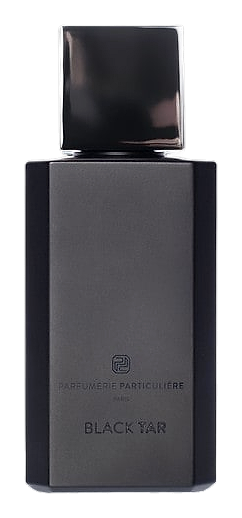
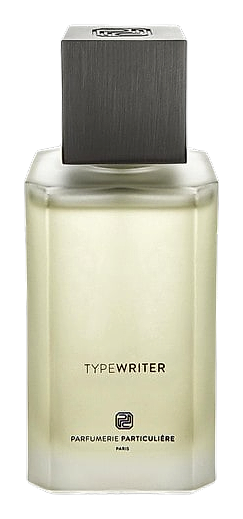
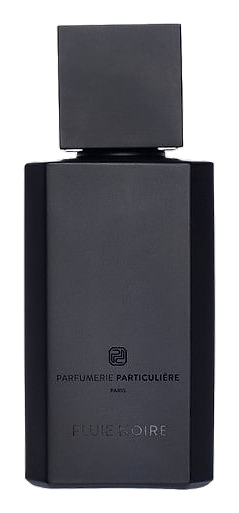
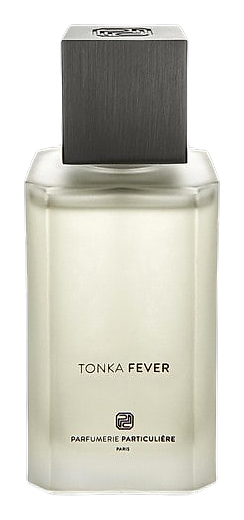
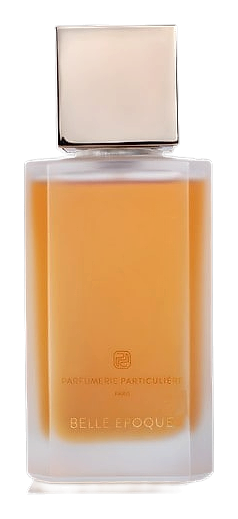
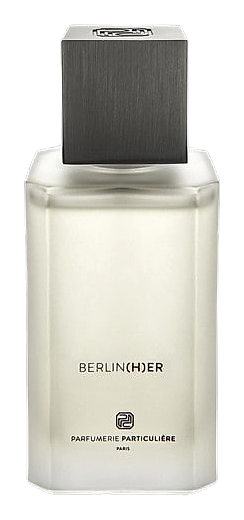
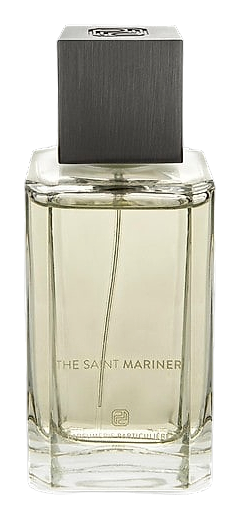
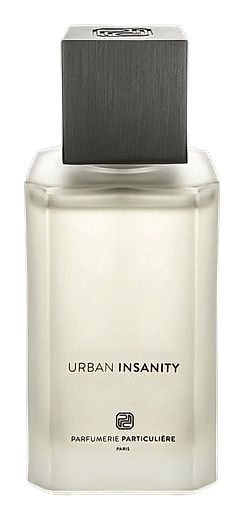
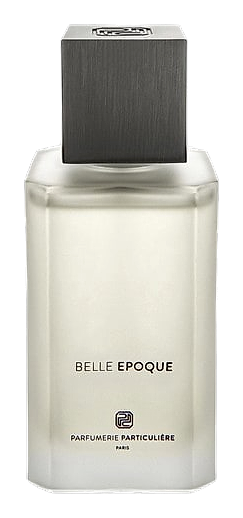
Parfumerie ParticulièreParfumerie Particulière is a Paris-based fragrance house founded in 2016, presenting itself as a counterpoint to traditional perfumery conventions. The brand describes its scents as particular fragrances for urban life, designed to reflect the experiences, travels, and daily rhythms of contemporary city dwellers. Operating from Paris with production reportedly in Grasse, the house has developed a catalog of over twenty fragrances spanning both men's and women's offerings. Notable releases include Urban Insanity (2025), Type Writer (2016), Tonka Fever (2017), Black Tar (2016), Belle Epoque (2017), Berlin(h)er (2017), Borderline (2025), The Saint Mariner (2018), Madeleine (2017), and Pluie Noire (2017). The brand positions itself as radically unconventional, breaking with established perfumery codes to create scents that challenge conventional categorization.
The Creator
Amelie Bourgeois & Anne‑Sophie BehaghelBourgeois works within classical perfumery structures but pushes against the expected. She favors material combinations that surprise, finding harmony in contrasts others might avoid.