Heritage
A house, in its own words
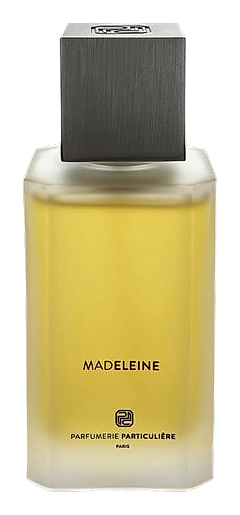
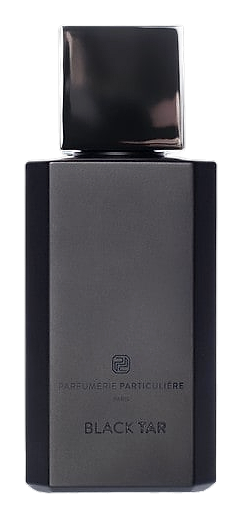
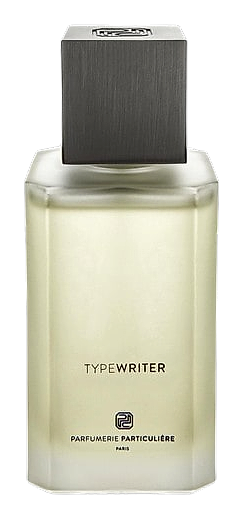
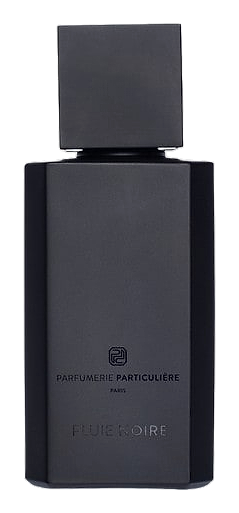
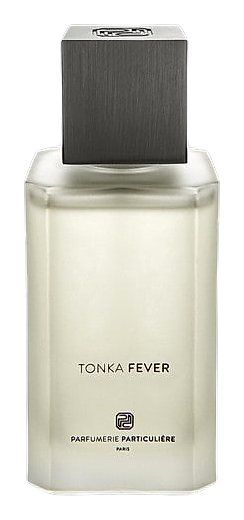
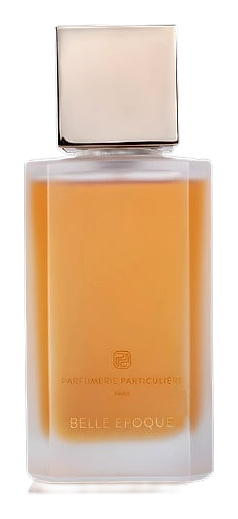
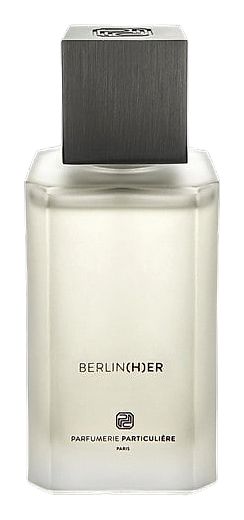
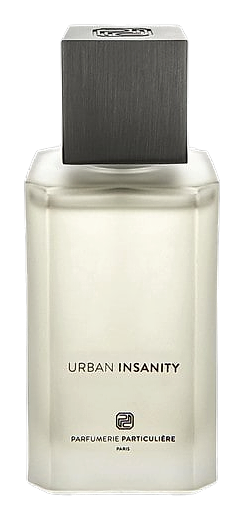
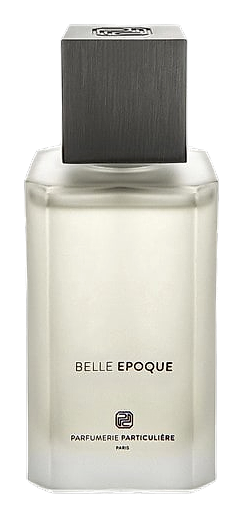
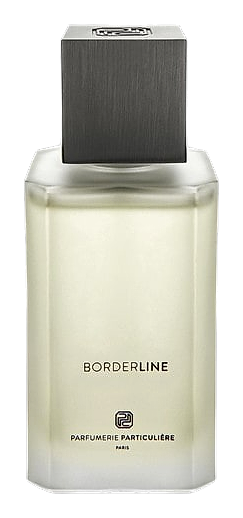
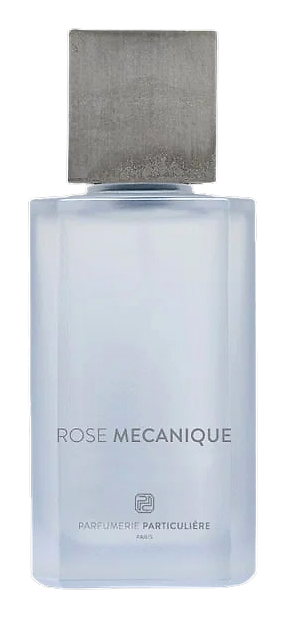
Parfumerie Particulière emerged in 2016 as a response to what its founders perceived as stagnation in the fragrance industry. The house operates from Paris, where perfumes are reportedly developed through extended collaboration with unnamed perfumers, and produced in Grasse, the historic heart of French perfumery. The name itself, translating roughly as 'private perfumery' or 'particular perfumery,' signals an intention to offer something distinct from mass-market offerings. Rather than building on generations of family tradition, Parfumerie Particulière presents itself as a modern creative venture unburdened by historical expectations. The brand draws inspiration from travel and lived experience, translating personal journeys and urban environments into olfactory narratives. Its catalog covers a wide thematic range, from literary references (Type Writer) to sensory explorations (Tonka Fever), architectural influences (Berlin(h)er), and historical periods (Belle Epoque). The house has maintained a steady release cadence since its founding, with multiple fragrances appearing in 2017, suggesting an active development pipeline. As of 2025, the brand continues to release new compositions, including Urban Insanity and Borderline, indicating sustained creative output rather than a single launch followed by dormancy. Parfumerie Particulière operates on the premise that conventional perfumery has become predictable and that urban life demands a different approach to scent. The brand explicitly states it breaks with established codes, suggesting an intentional rejection of traditional fragrance family classifications and marketing conventions. Their self-description emphasizes particularity, implying that each fragrance serves a specific mood, moment, or personal expression rather than following market trends. The house reportedly develops perfumes through long exchanges between creators, indicating a collaborative rather than top-down creative process. Fragrances emerge from travel experiences and daily life observations, grounding abstract olfactory concepts in concrete human activity. This approach treats scent as a personal artifact rather than a status symbol or fashion accessory. The urban focus suggests the brand sees city environments not as obstacles to sensory pleasure but as rich material for olfactory interpretation. By maintaining production in Paris and Grasse, the house preserves access to French perfumery expertise while positioning itself outside the heritage house tradition.