The Story
Why it exists.
The beginning
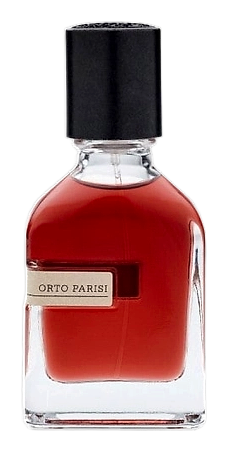
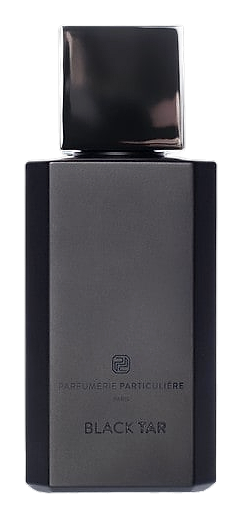
Black Tar arrived in 2016 from Parfumerie Particulière, the Paris house. The name alone announces the intent, this is not a fragrance that coddles. Amélie Bourgeois and Anne-Sophie Behaghel built the composition around a tension: mineral and cade oil against Indian tuberose. The smoky minerality cuts through the waxy sweetness of the white floral, creating an unexpected balance that refuses to soften. The brand's own copy puts it plainly: 'The smell of danger on every street corner reminds us that no-one is master.' That's the brief. Black Tar is the result.
What makes Black Tar unusual is the mineral-smoke foundation sitting beneath the tuberose. The mineral notes and cade oil create a counter-melody that keeps the sweetness from becoming cloying. Guaiac wood and vetiver add aromatic complexity, while labdanum gives the drydown a resinous warmth that extends the wear. The combination reads as masculine-leaning in places, feminine in others. Unisex, but not safe. The fragrance occupies a space where conventional gender expectations dissolve, finding its power in that ambiguity rather than in any single direction.
The evolution
The opening hits with mineral and cade oil cutting through before organic warmth arrives. Indian tuberose emerges, waxy and present, but held in check by the mineral underneath. It's the first surprise: the sweetness doesn't take over. Vetiver adds green-earth and slightly bitter dimension to what could have been a straightforward floral-smoke. The heart belongs to guaiac wood and Indonesian patchouli, the woody-spicy axis deepens as the tuberose softens. Labdanum adds a sticky, almost medicinal sweetness that balances the darkness. Then amberwood takes over. The drydown is warm, slightly sweet, with moss bringing an earthy fungal quality that stays close to the skin for hours. This is where Black Tar lives longest, after the smoke fades, after the tuberose retreats, the amberwood-moss base holds the ground.
Cultural impact
Black Tar occupies a specific space in the smoky-mineral category, comparable to Black Comme des Garçons and Hyde by Hiram Green, but more tuberose-forward than either. It sits comfortably among those who seek out mineral-smoke-frank compositions with white floral heart notes. The fragrance appeals to wearers who appreciate complexity over convention, finding its audience among those drawn to unconventional olfactory territories. Its approach to balancing darkness with floral sweetness has influenced how subsequent releases in this category handle their white floral components.