The Story
Why it exists.
The beginning
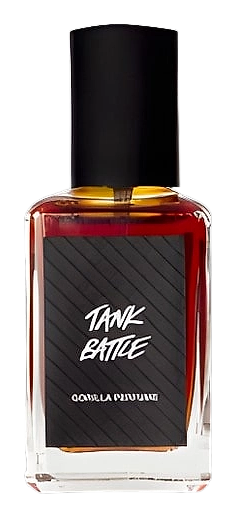
Tank Battle takes its name from an abandoned water tank on the edges of the city, a forgotten industrial shell transformed into a combined home, studio, and art gallery. The space belonged to Tachowa, who made it his own until Banksy tagged it. A bidding war erupted over ownership, the world suddenly realizing what was held inside that unremarkable exterior. Simon Constantine built the fragrance around that same tension: something sweet and playful hiding inside something dark and earthbound, waiting to break through.
The note structure is deceptively simple, patchouli, clove, labdanum. Three materials. But the ratio is what makes it unusual. Patchouli dominates here, not as a base note but as the main event, backed by clove's warm spice and labdanum's dark, almost medicinal resin. The bubblegum sweetness isn't a note, it's an unexpected visitor. That collision between synthetic sugar and damp earth is the whole point. This is patchouli that refuses to be polite about itself.
The evolution
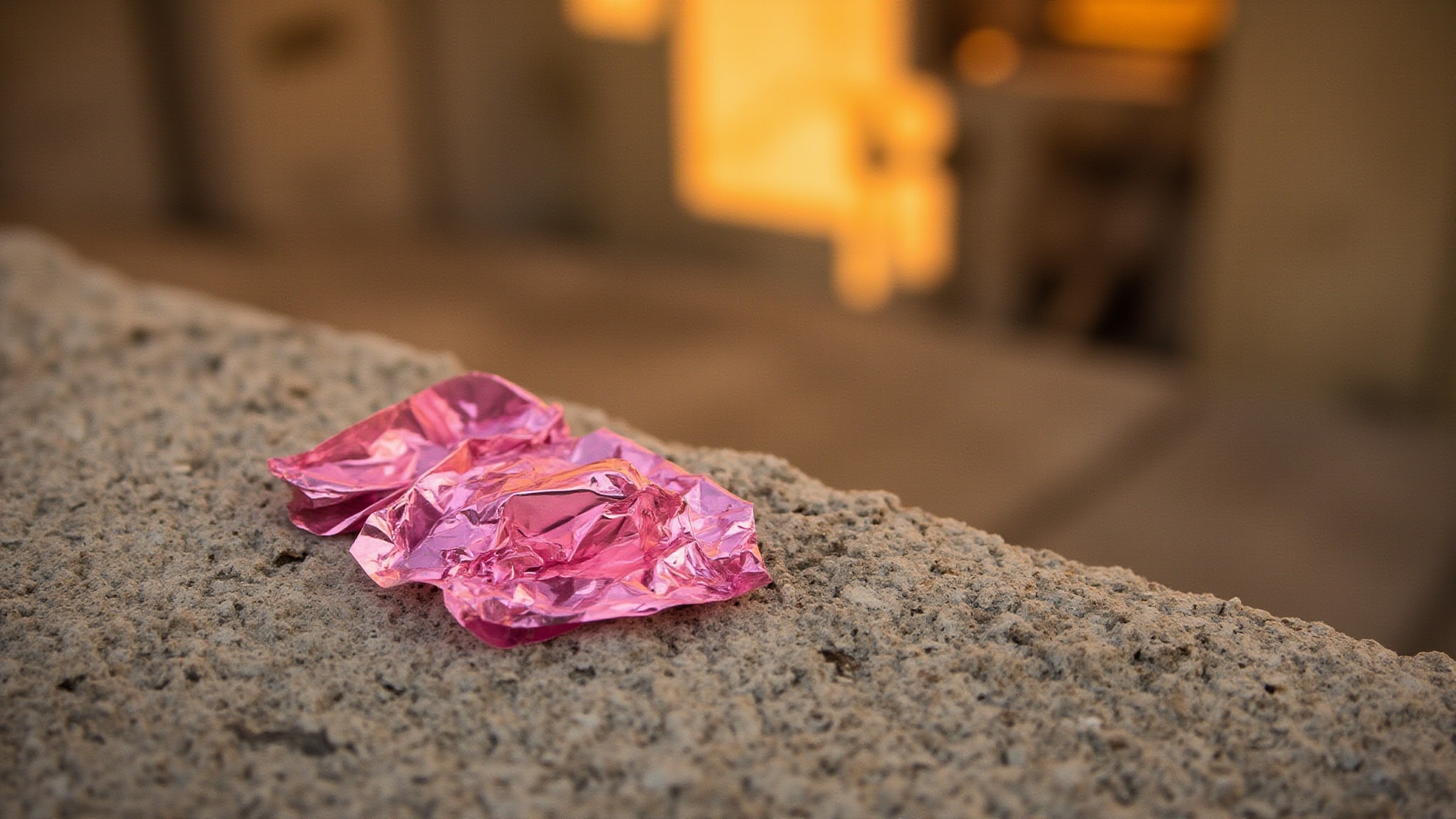
The opening hits like a tagged wall, sweet bubblegum sweetness with an almost chemical sharpness underneath. That metallic hit is the spray paint the brand references. For the first thirty minutes, you've got this strange sweetness competing with damp, dark earthiness. It shouldn't work. Then the clove warms up, the patchouli thickens, and the bubblegum softens into something rounder. The drydown is where Tank Battle earns its reputation. Sweetness fades. Patchouli and labdanum remain, earthy, resinous, close to the skin. The longevity is the real story here. Eight to ten hours on most people, sometimes more. Strong sillage that announces itself before you enter the room.
Cultural impact
Tank Battle occupies a specific corner of fragrance culture, the space between bubblegum sweetness and patchouli earthiness. It's the kind of scent that sparks conversation precisely because it doesn't try to please everyone. The contrast is intentional, the polarization expected. For those who wear it, it's a signature. For those who can't get past the opening, it's a question they keep asking: why does this work?