
The Story
Why it exists.
The beginning
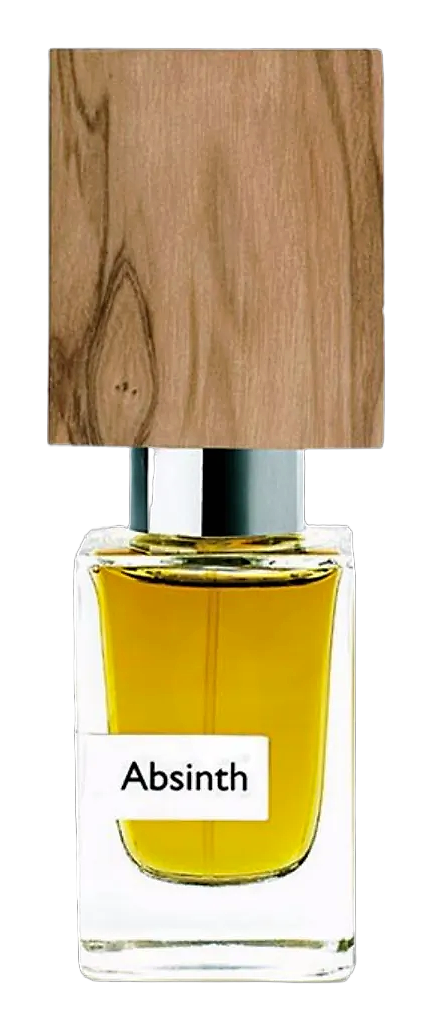
Absinth takes its name from the spirit that colonized 19th-century Parisian Bohemia and turned poets strange. Alessandro Gualtieri built the fragrance around that same provocation, a quest to evoke degrees of hysteria, to stimulate irresponsible behaviour. Wormwood is the alpha and omega here. Not a supporting note. Not a whisper in the composition. The whole point.
The three-material pyramid, wormwood, green notes, vetiver, is deceptively spare. Most fragrances at this price point layer complexity to justify the cost. Nasomatto did the opposite: one material does the talking, and the others exist to make it interesting. Wormwood carries the opening like a declaration. Green notes amplify its bitter-herbal character. Vetiver deepens the base into mineral earth. Nothing is accidental. Nothing is filler. That's the Nasomatto approach, provocation through restraint, not abundance.
The evolution
The opening hits within seconds: wormwood flooding forward with an intensity that borders on medicinal. This is absinthe's primary material, and the brand doesn't soften it. You either lean in or step back. Within twenty minutes, the green notes start threading through the wormwood's sharpness, less assault, more aromatic complexity. The heart reads as warm, slightly sweet, still bitter. Vetiver begins its slow rise around the one-hour mark, grounding the green into something mineral and smoky. By the three-hour mark, vetiver owns the composition. The green doesn't disappear, it becomes a whisper beneath the dry, earthy, smoky finish. On skin, this lasts 8 to 10 hours. On fabric, it's present the next morning. That's the extrait concentration doing its job.
Cultural impact
Nasomatto occupies a specific corner of niche perfumery: the confrontational one. Absinth sits at the more extreme end of that spectrum, not the house's entry point, but the fragrance for people who've already decided they want something difficult. The wormwood-bitter-green character isn't universally loved, but it's universally remembered. That binary is the point.