The Story
Why it exists.
The beginning
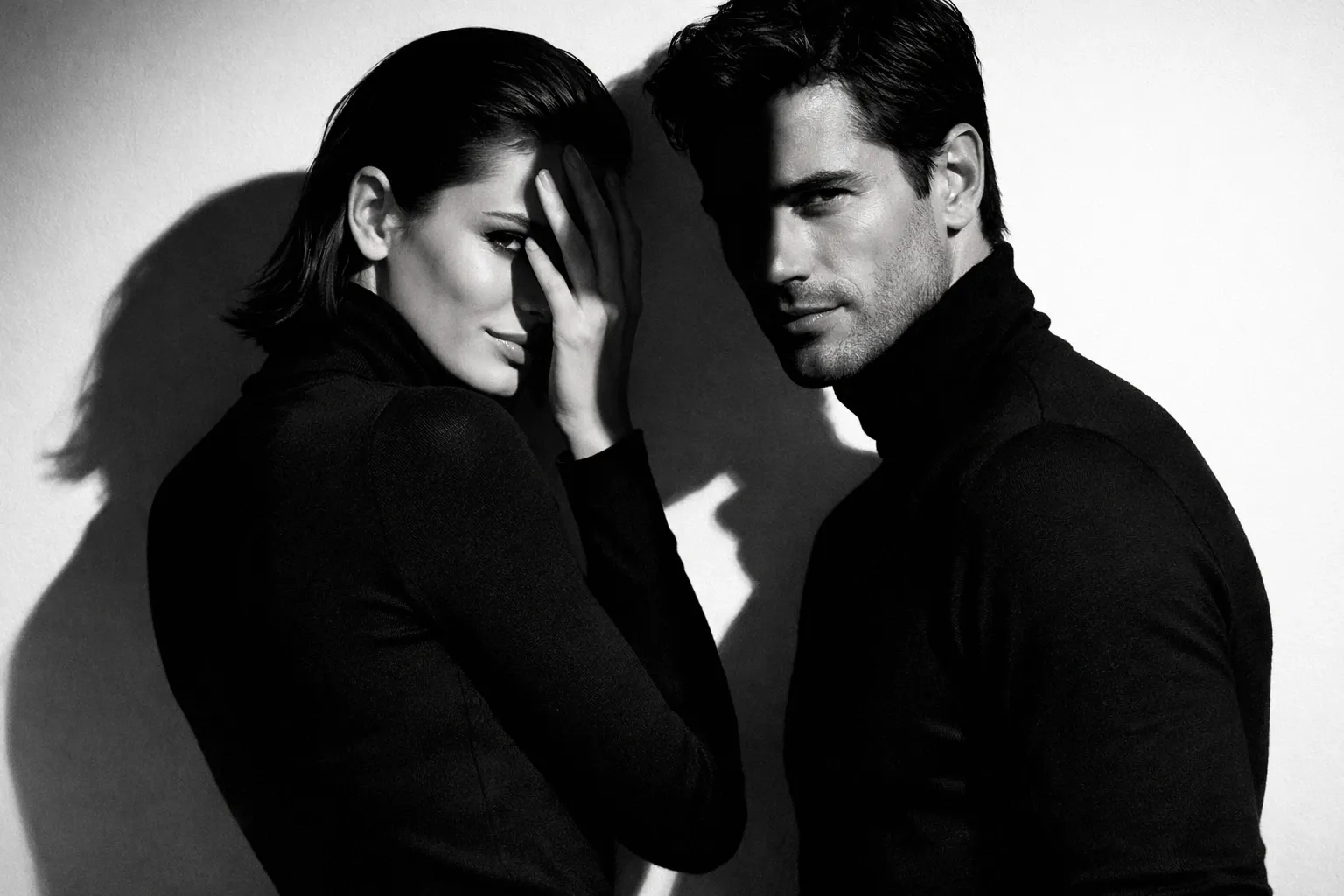
Francis Kurkdjian created Eau Noire in 2004 as part of a deliberate expansion, Dior's first true unisex collection, designed by Hedi Slimane for the house's prestige pret-a-porter line. The brief was unconventional: build a fragrance that reads like a dress code, something with the quiet formality of a black tie occasion but without the predictability. Kurkdjian reached for licorice and lavender, the first an unexpected anchor, the second a classic reframed. Coffee became the bridge between herb and sweet, warm and aromatic. The result wasn't another freshunisex launch. It was something with edges.
What makes the structure interesting is how the sweetness fights back. Licorice and vanilla don't just soften the lavender, they challenge it. The coffee doesn't smell like a morning ritual either; it's bitter, almost resinous, threading between the herbal top and the leather base like a connecting wire. Immortelle brings a honeyed resin quality that stops the composition from feeling purely aromatic. It's an fougere that refuses to be one thing: fresh but not clean, sweet but not innocent, formal but not stiff.
The evolution
The opening is all intention, sage and thyme cut through the lavender like a door opening onto a room already occupied. Ten minutes in, the coffee arrives and warmth builds from the inside. Thirty minutes: the licorice asserts itself, not as sweetness but as something darker, almost medicinal. The hand-off happens around the two-hour mark when lavender begins to recede and cedar-leather takes over. By hour four, you're in a different fragrance entirely: vanilla, violet powder, and a leather note that stays close to the skin. The final hours smell like the inside of a drawer, intimate, quiet, lingering in a way that makes people ask what you're wearing without expecting an answer.
Cultural impact
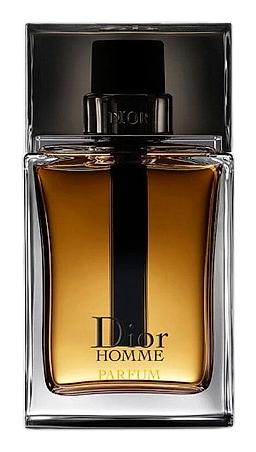
Eau Noire arrived in 2004 as part of a curated unisex collection, Bois d'Argent, Cologne Blanche, and this, which Dior described as an expansion beyond traditional gender boundaries. The bottle design, from Hedi Slimane's tenure at the house's pret-a-porter division, reinforced the architectural seriousness of the brief. What followed was quieter than a blockbuster launch but sustained: a fragrance that earned a following not through volume but through the kind of word-of-mouth that happens when someone stops you in an elevator and asks.