
The Story
Why it exists.
The beginning
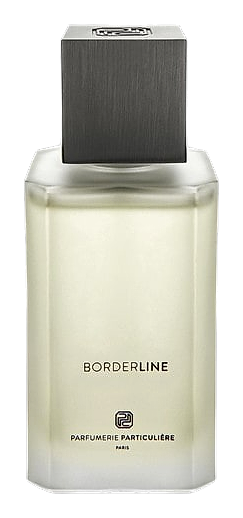
The philosophy behind Borderline starts with a question: what does it mean to cross your own boundaries? Parfumerie Particulière describes those threshold moments as the ones worth capturing, brief instances that broaden horizons and transform thoughts into pleasure. The name says it all. Borderline is about the border itself, not what's on either side. It's the moment you cross and realize the crossing was the destination. Every material was chosen for what it does when it collides with something else. Black pepper and cardamom don't introduce the fragrance, they crackle into it. Rose absolute and oud arrive together, warm and smoky, neither one willing to give ground. And then the castoreum and labdanum anchor the whole thing, the moment of arrival, the line you crossed to get here. This isn't a fragrance that asks whether you understand it. It asks whether you're willing to cross.
The structure is the point. Borderline opens with two spices that don't soften. Black pepper and cardamom punch through without apologizing. They create a tension that most fragrances avoid because it alienates some wearers. Parfumerie Particulière chose it anyway. The heart is where things get interesting. Rose absolute and oud should compete. In lesser hands, they do. Here, the papyrus acts as a translator, papery, dry, slightly medicinal, it gives the rose somewhere to breathe and the oud somewhere to hide. Neither overwhelms. Both remain. The base is the payoff. Castoreum brings leather, animalic depth, a certain rawness that most modern fragrances bury under woods and musks.
The evolution
The opening hits in seconds. Black pepper and cardamom crackle, not gentle, not polite, immediate. For the first thirty minutes, you're in the company of two spices that refuse to pretend they don't know what they're doing. The transition happens around the hour mark. Rose absolute blooms against the oud, warm and smoky. The papyrus adds something unexpected, a papery dryness that keeps the florals from becoming precious. By the late heart, the castoreum announces itself. Not subtle. A leathery, animalic presence that shifts the whole register of the fragrance. The drydown is where Borderline earns its name. Cedar and patchouli settle in, but the castoreum doesn't leave. It lingers alongside the labdanum, resinous and warm, for hours. On fabric, it can last well into the next day, a faint warmth where you wore it, nothing more, but unmistakable.
Cultural impact
Borderline arrives in a specific niche moment, the French take on the oud-rose-patchouli triad that's dominated Middle Eastern perfumery for decades. It brings that warmth and animalic depth but filters it through a European sensibility: less opulent, more restrained, still intense. The moderate sillage is a choice, not a limitation. This isn't a fragrance that fills a room, it's one that makes you lean in. It appeals to wearers who've grown tired of safe, crowd-pleasing fragrances. The kind of person who wants a scent that challenges rather than comforts. Borderline sits in that territory for experienced fragrance people, the ones who've tried the classics and want something that pushes back.