
The Story
Why it exists.
The beginning
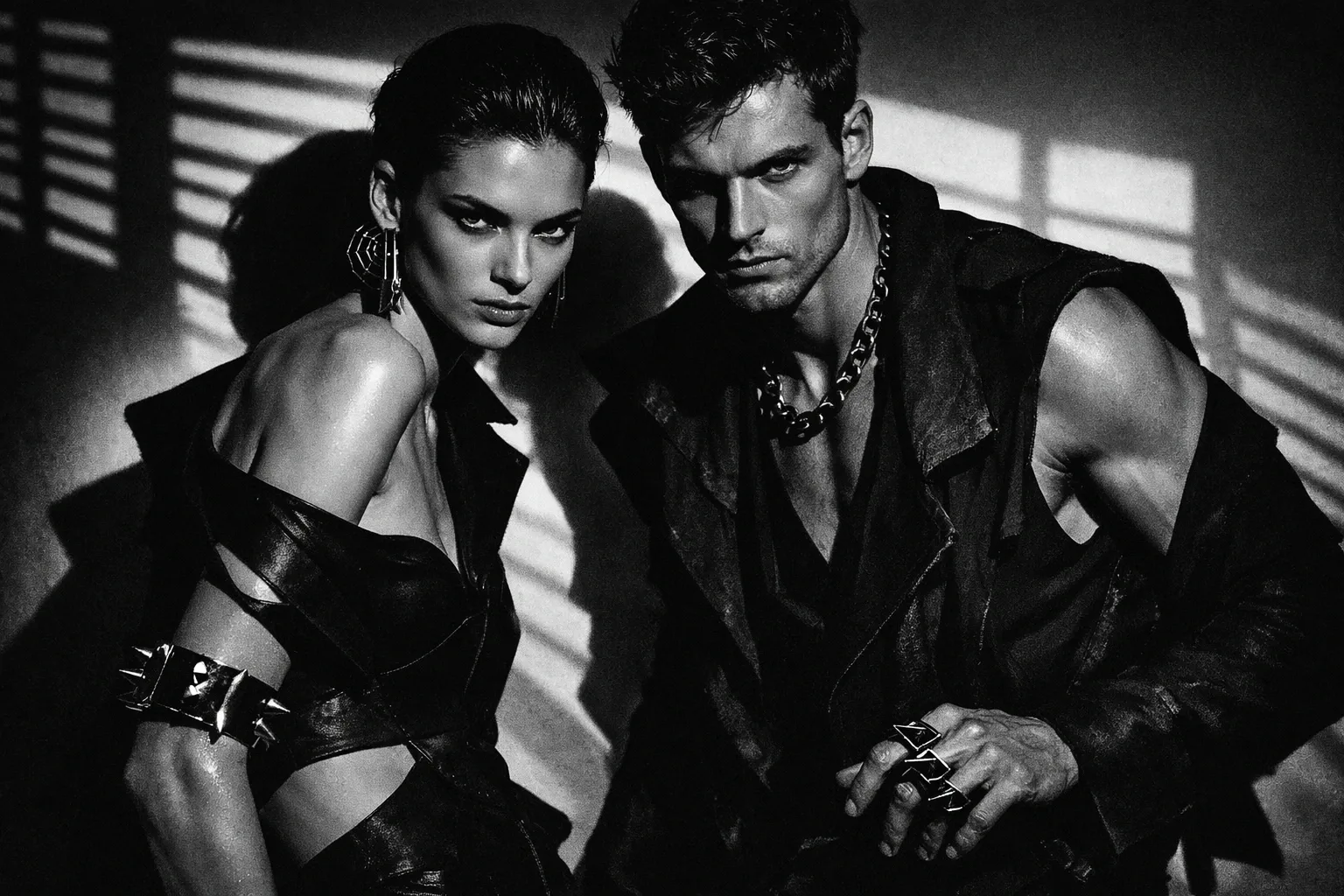
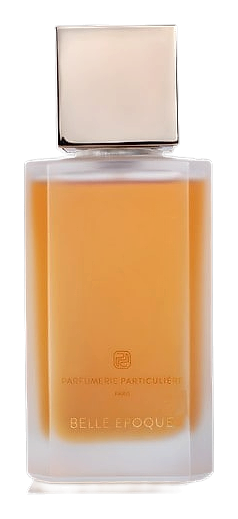
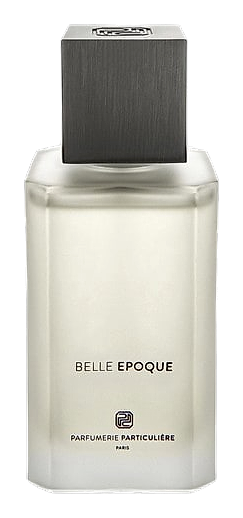
Belle Epoque takes its name from the golden age of European culture, that period between the Franco-Prussian War and World War I when Paris was electric with possibility, scandal, and reinvention. The name suggests something worth returning to. What matters is the composition itself: gunpowder and saffron, leather and smoke, materials that carry weight and contrast. Perfumers Amélie Bourgeois and Anne-Sophie Behaghel built something that opens sharp and mineral, the gunpowder biting with an almost metallic quality that clears the air. The saffron arrives with warmth, its honey-like sweetness threading through the smoke, neither dominating nor retreating. Leather lingers beneath, slow and present, while the smoke stays close to the skin throughout wear.
Gunpowder is mineral, sharp, almost metallic, the smell of ignition. Saffron is warm, slightly bitter, with a honey-like sweetness that catches the light. Together they create a tension: something bright against something dark, warmth meeting smoke. The guaiac wood and elemi support this interplay. Guaiac is smoky, its woody depth grounding the brighter notes. Elemi is citrusy and balsamic, bringing a resinous brightness that lifts the composition. The fragrance doesn't announce itself all at once.
The evolution
The opening hits with gunpowder's mineral bite and pink pepper's clean heat. Within seconds, the saffron arrives, sweet and strange, cutting through the smoke with a honeyed warmth. The leather doesn't dominate immediately. It builds slowly, almost reluctantly, surfacing as the spice settles into the composition. By the second hour, the composition shifts toward leather and guaiac, warm and close to the skin. The drydown brings resinous depth with smoky undertones, elemi's citrus brightness returning faintly as the hours pass. The sillage remains present without overwhelming, noticeable primarily to those standing nearby.
Cultural impact
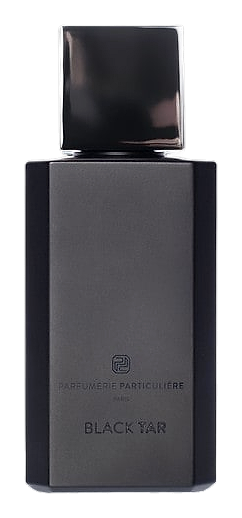
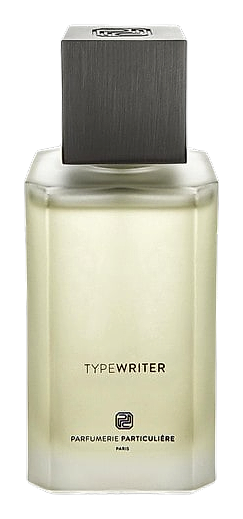
Belle Epoque joins a catalog that includes fragrances like Black Tar and Type Writer, each with its own distinct character. The house works with materials that carry weight, smoke, leather, and tar appearing throughout its collection. This fragrance fits that pattern, offering something specific rather than generic.
The House
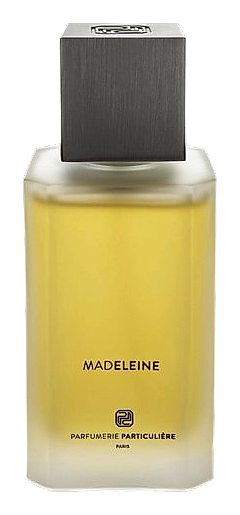
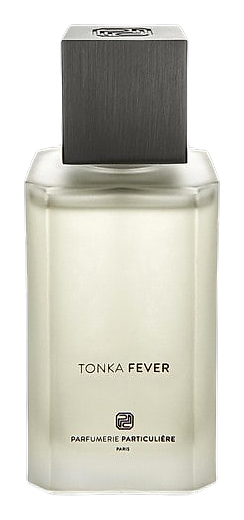
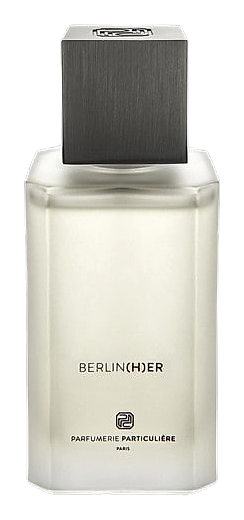
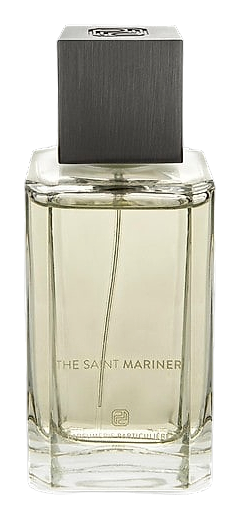
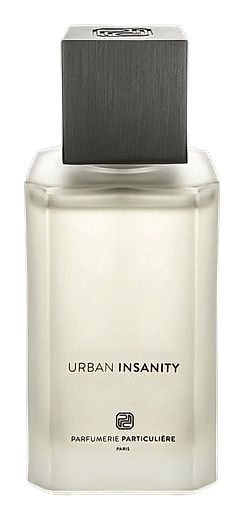
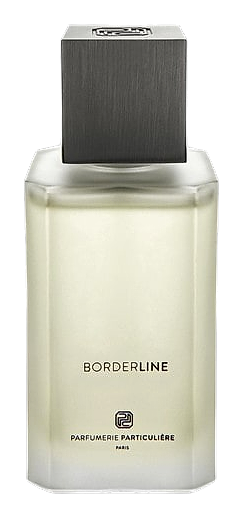
Parfumerie ParticulièreParfumerie Particulière is a Paris-based fragrance house founded in 2016, presenting itself as a counterpoint to traditional perfumery conventions. The brand describes its scents as particular fragrances for urban life, designed to reflect the experiences, travels, and daily rhythms of contemporary city dwellers. Operating from Paris with production reportedly in Grasse, the house has developed a catalog of over twenty fragrances spanning both men's and women's offerings. Notable releases include Urban Insanity (2025), Type Writer (2016), Tonka Fever (2017), Black Tar (2016), Belle Epoque (2017), Berlin(h)er (2017), Borderline (2025), The Saint Mariner (2018), Madeleine (2017), and Pluie Noire (2017). The brand positions itself as radically unconventional, breaking with established perfumery codes to create scents that challenge conventional categorization.
The Creator
Amelie Bourgeois & Anne‑Sophie BehaghelBourgeois works within classical perfumery structures but pushes against the expected. She favors material combinations that surprise, finding harmony in contrasts others might avoid.