The Story
Why it exists.
The beginning
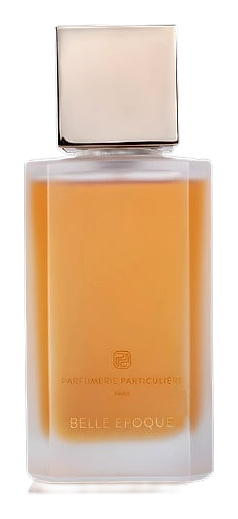
Belle Epoque refers to the era before the First World War when Paris was convulsed by artistic revolution. Art Nouveau was shedding its ornamental constraints. Impressionism had given way to something rawer, stranger, more honest. It was the moment madness arrived in the studio and reason left the building, and what followed was some of the most vital art ever made. The fragrance is named for that particular electricity. Not nostalgia for a lost era. The sensation of something breaking open. Of codes being shattered. The perfumer translated that energy into a composition that mirrors the period's own audacity, herbal clarity meeting warm depth, smoke threading through sweetness, the ancient and the industrial sharing the same bottle.
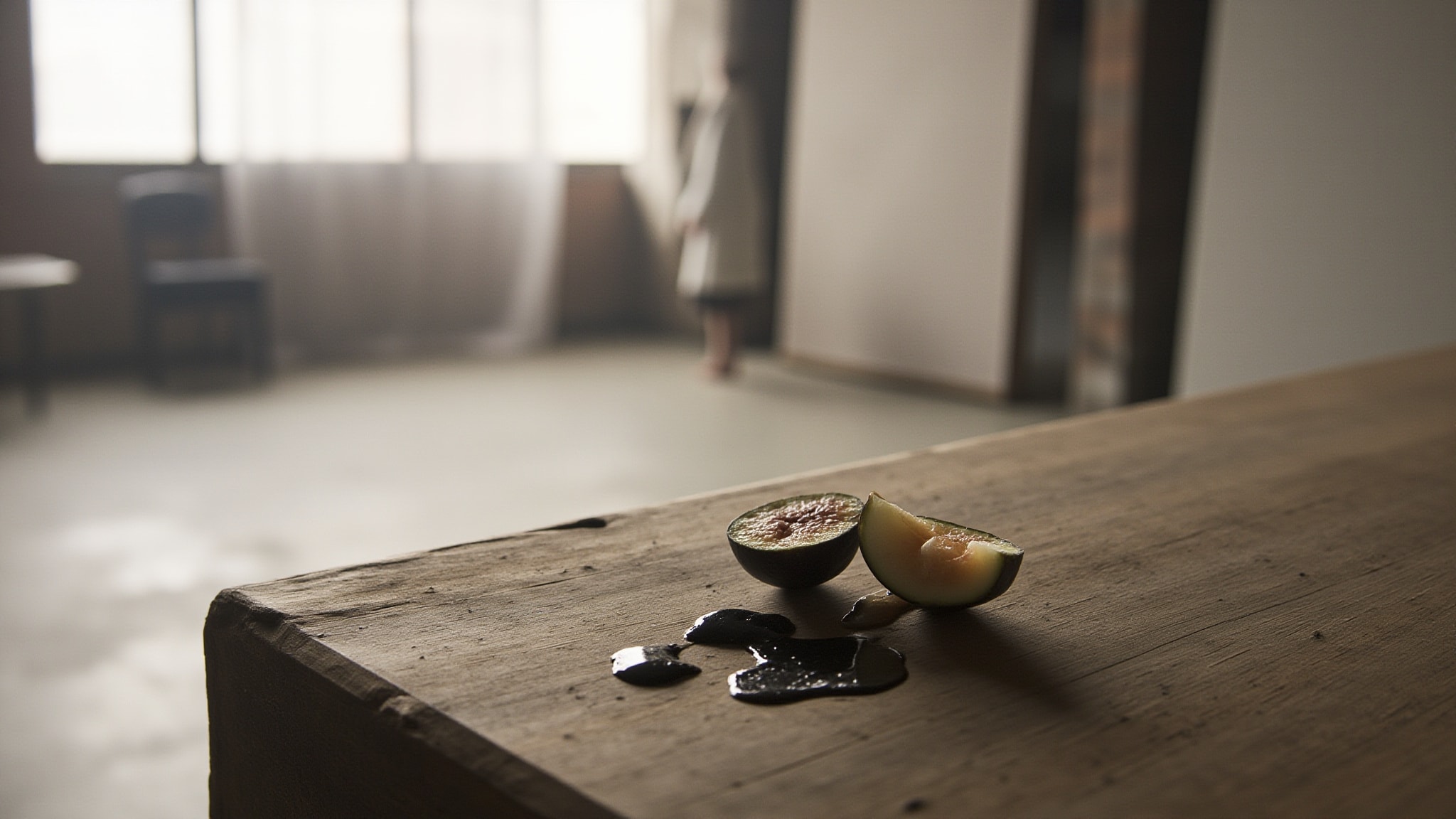
The unusual heart of artemisia and fig tree carries particular significance. Artemisia, bitter, green, almost medicinal, references the era's willingness to challenge conventions and question beauty standards. The fig tree, with its milky sap and green fruit, evokes both the Mediterranean landscape that inspired so many painters and the tension between the pastoral and the modern. Gunpowder and saffron add a chemical, almost industrial note, the new century's dual capacity for creation and destruction. It's a complex proposition. The fragrance asks you to hold several ideas at once: herbal freshness and smoky depth, sweetness and bitterness, the ancient and the industrial.
The evolution
The opening announces itself with artemisia's bitter, green intensity. It's confrontational, the first statement of intent. Incense smoke wisps at the edges, not heavy but present, a reminder that sacred and profane have always shared space. Licorice sweetens the base of the opening, pulling against the herbal sharpness. Then the fig tree arrives, green, slightly lactonic, quietly grounding everything. By the end of the first hour, the top notes begin to recede. Incense takes on weight. Myrrh arrives with its warm, balsamic depth. Leather emerges from the drydown, dark and slightly animalic. The heart phase settles into incense and myrrh, resinous and heavy. Then the drydown arrives: guaiac wood's smoky sweetness, patchouli's earthiness, the last traces of myrrh. Close to the skin now. On clothes, it can last until the next day, that smoky guaiac wood lingering, unmistakable if you know what you're looking for. The sillage is moderate to the end. Close enough to notice on a second pass without announcing itself across a room.
Cultural impact
Belle Epoque arrived in 2017 as niche perfumery was gaining momentum among collectors seeking more than conventional designer fare. The fragrance occupies a specific position: rich and smoky enough to appeal to oriental enthusiasts, but with an herbal freshness that keeps it from becoming a predictable heavy amber. The fig tree note distinguished it from peers, an unusual choice that brought a green, slightly lactonic quality to a composition that could have been purely resinous. Wearers describe it as the fragrance of someone who walks into a room and doesn't need to announce themselves.