
The Story
Why it exists.
The beginning
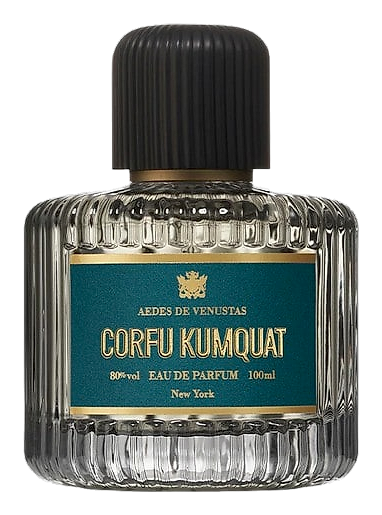
Corfu Kumquat began with a simple but ambitious brief: citrus, but not the straightforward kind. Something with mood, with history, with the weight of Empress Elizabeth returning again and again to an island's shores. Greek perfumer Ilias Ermenidis was tasked with the challenge, and he thought of home. Of Corfu's northern coast where kumquat trees line the groves, their small bitter fruit transformed into liqueurs and candies sold in the same villages where Prince Philip spent his childhood. The kumquat arrived on the island from China in the 1800s and found its place among the local traditions. That transformation, foreign fruit made local through time and terrain, became the fragrance's template.
The structure is unusual for a citrus fragrance. Most brighten and fade. Corfu Kumquat opens with that Grecian sunshine, kumquat, mandarin, tangerine, the full Calabrian bergamot treatment, then pivots. The heart introduces green apple and lavender, which sound pastoral but read sharper here, almost astringent. Frankincense resin and cedar provide a resinous counterweight that most citrus compositions skip entirely. The base is where the island's rugged terrain enters: vetiver's earthy, slightly smoky character grounds the brightness. Rhubarb adds a tart, vegetal edge that keeps things interesting. This isn't a linear fragrance wearing one idea from top to bottom.
The evolution
The opening arrives fast and stays loud for about twenty minutes. Bergamot and tangerine dominate, but there's an immediate bitterness underneath, the rind, not the flesh. Salt air in the background keeps it from being sweet. The heart phase is the surprise. Around the thirty-minute mark, the citrus doesn't fade so much as step aside. Lavender and neroli take over, but cedar is doing the real work, adding a woody dryness that transforms the composition. The green apple appears here too, lending a crispness that reads as cool rather than sweet. The drydown is when the vetiver and rhubarb emerge, earthy, tart, slightly smoky. The musk and ambroxan provide structure but never overwhelm. On fabric, this fragrance lasts into the evening.
Cultural impact
Corfu Kumquat arrived in 2022 with a different take on citrus. Where many contemporary fragrances treat citrus as something to sweeten or soften, this one holds onto something sharper, something that refuses easy categorization. The composition treats citrus as a subject worthy of serious attention, exploring its complexity rather than simplifying it into something palatable. Those who encounter it find themselves drawn into its layers, discovering new dimensions with each wearing. The fragrance appeals to those who appreciate complexity and depth, who find themselves returning to it again and again, finding something new each time.
The House
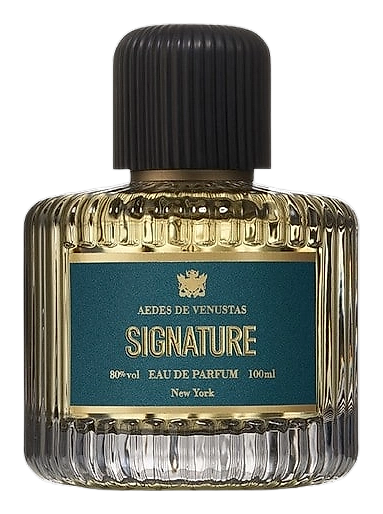
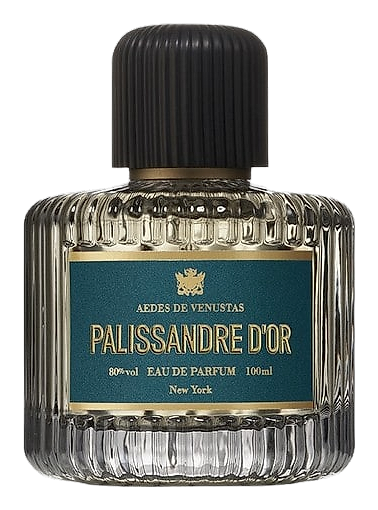
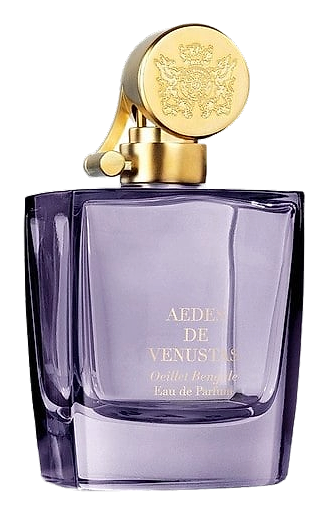
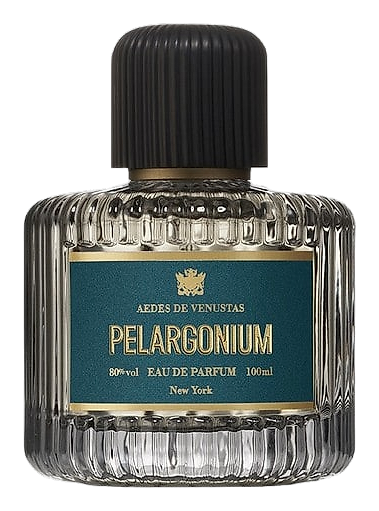
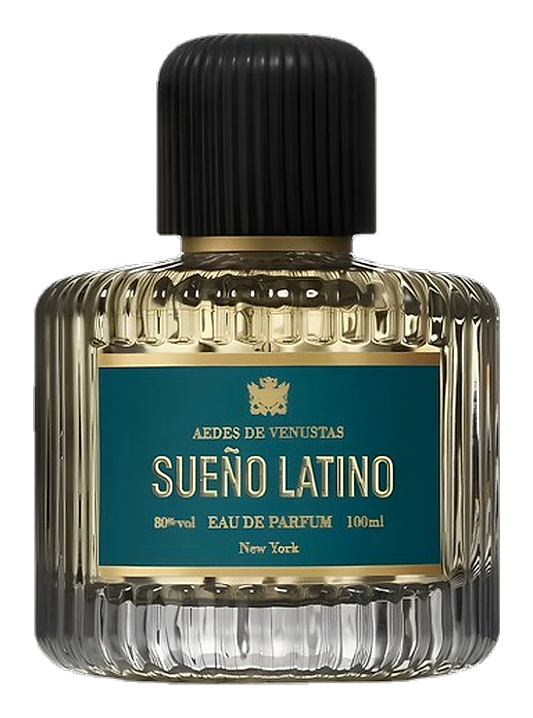
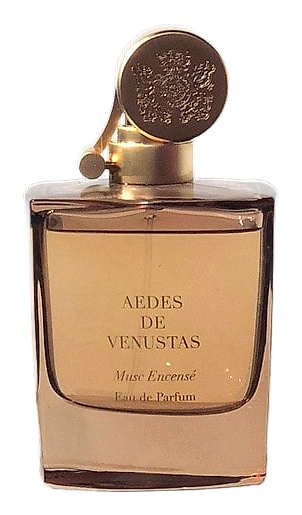
Aedes de VenustasAedes de Venustas occupies a singular position in niche fragrance. The house emerged from a New York perfumery boutique founded in 1995 by Robert Gerstner and Karl Bradl, becoming a bridge between the old-world ateliers of Europe and the experimental spirit of downtown Manhattan. The brand carries the aesthetic of its West Village origins into its current Lower East Side home on Orchard Street, where collectors and fragrance enthusiasts continue to discover its compositions. Aedes de Venustas perfumes are known for their narrative depth, often drawing on architectural references, material histories, and aromatic memories that resist easy categorization. The house operates with deliberate restraint, releasing new work sparingly and maintaining an identity rooted in curiosity rather than trend.
The Creator
Ilias ErmenidisThe Greek-Turkish nose favors transparent structures built on a solid base of natural absolutes. He reaches for oud, ambergris, and rose de mai, but always layers them with unexpected modifiers—citrus zest, spice tinctures, or a whisper of leather.