The Story
Why it exists.
The beginning
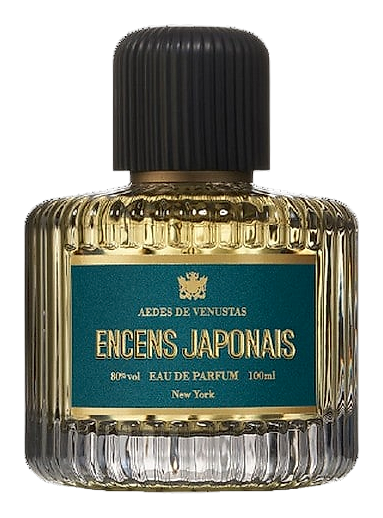
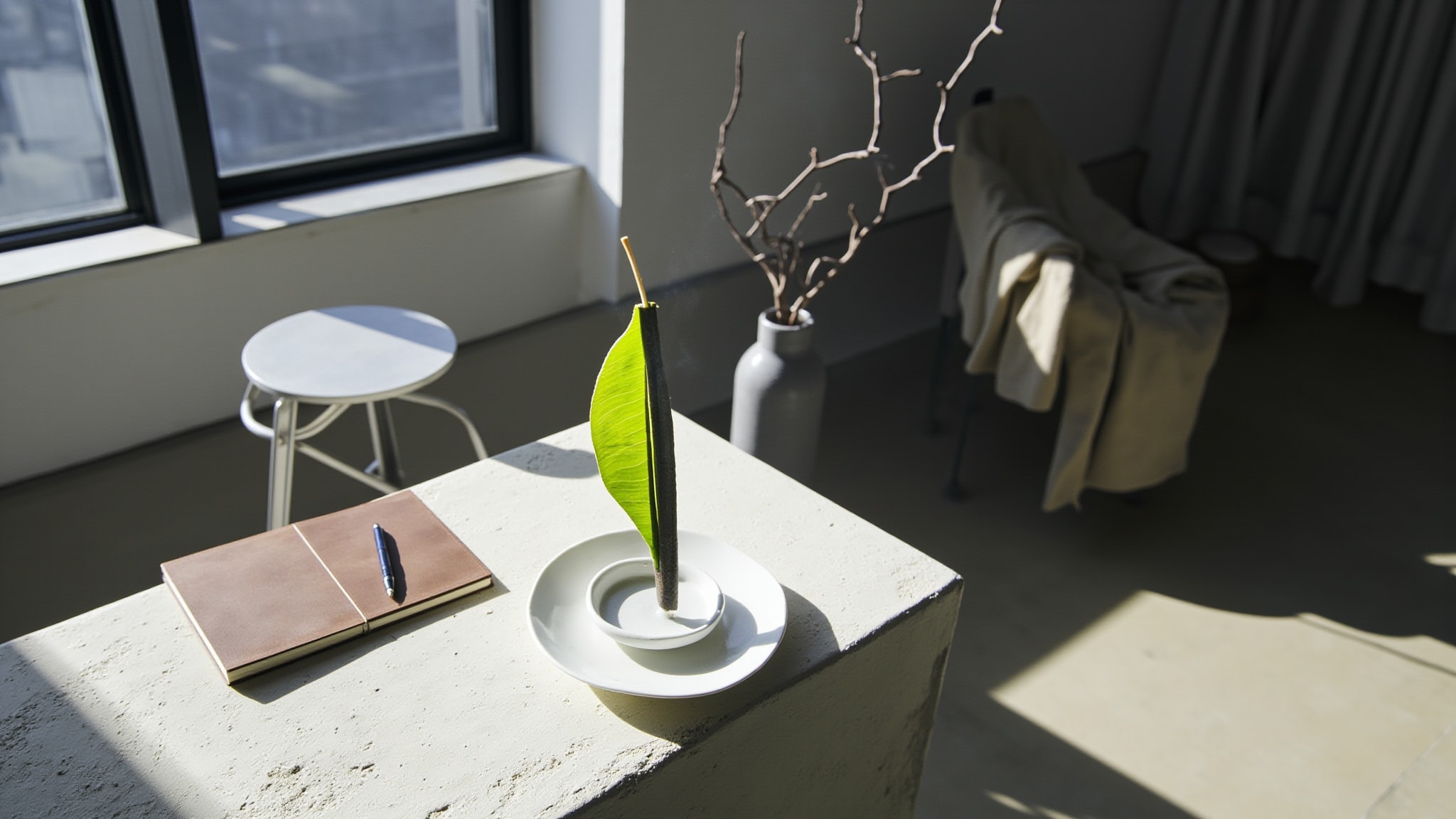
Bertrand Duchaufour built Encens Japonais around a single, deceptively simple idea: what if you could smell incense before it burns? Not the smoke, not the ash, but the raw resin itself, green, alive, almost citrusy in its freshness. The name locates the inspiration in Japanese temple incense, rich, spiritual, enveloping, but Duchaufour translated it into something that lifts as much as it grounds. Released in 2021, this is a fragrance for someone who thinks they know incense, then realizes they've been wearing the wrong version. The composition opens with that raw, unburned quality, bright citrus notes dancing alongside soft, powdery iris that feels almost soapy at first.
The contrast between unburned and burned incense is the structural spine of this composition. Fresh incense resin carries a green, almost citrus-like brightness, the top notes amplify this with orange and powdery iris, creating an opening that reads more like citrus than smoke. The heart darkens as patchouli and coffee arrive, giving the fragrance its weight. But the drydown belongs to frankincense and opoponax, the balsamic, meditative quality that true incense lovers crave. What makes this unusual is that the incense note isn't aggressive. It builds slow, arrives late, and stays close. For someone expecting a liturgical wall of smoke, this meditative quality is either the whole point or a dealbreaker.
The evolution
The opening surprises. Instead of smoke, you get citrus and powder, bright orange softened by iris that feels almost soapy at first. Some find this jarring. Others say it's what keeps them listening. Either way, it clears within thirty minutes as patchouli and coffee move into the foreground. The heart darkens here. Patchouli's earthiness anchors the coffee note, a combination that splits opinion. Some say the coffee never fully materializes on their skin. Others say it's the ghost that haunts the drydown. By the final hours, the incense arrives on its own terms. Not loud, not aggressive, closer to a solinote, the warm, meditative presence of olibanum settling into the skin. The sillage becomes subtle as the composition progresses, noticeable only to someone standing close, not projecting across a room. The composition earns its smoke rather than demanding it.
Cultural impact
Encens Japonais occupies a specific corner of the incense conversation: the moment before burning. Where other fragrances strip incense to its minimal, almost skeletal essence or push toward a more austere interpretation, Encens Japonais leans opulent and spicy. The fresh, unburned quality of the opening sets it apart from the smoke-first pack. It's a fragrance for someone who thought they knew incense, then realized they'd been wearing the wrong version all along.
The House
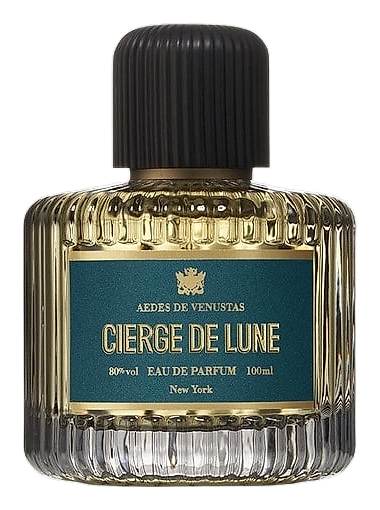
Aedes de VenustasAedes de Venustas occupies a singular position in niche fragrance. The house emerged from a New York perfumery boutique founded in 1995 by Robert Gerstner and Karl Bradl, becoming a bridge between the old-world ateliers of Europe and the experimental spirit of downtown Manhattan. The brand carries the aesthetic of its West Village origins into its current Lower East Side home on Orchard Street, where collectors and fragrance enthusiasts continue to discover its compositions. Aedes de Venustas perfumes are known for their narrative depth, often drawing on architectural references, material histories, and aromatic memories that resist easy categorization. The house operates with deliberate restraint, releasing new work sparingly and maintaining an identity rooted in curiosity rather than trend.
The Creator
Bertrand DuchaufourDuchaufour is the master of smoke and shadow, of incense rendered with painterly depth rather than theatrical force. Where many perfumers treat frankincense as a single note, he builds incense as a tonal range, capable of austerity or warmth depending on what the fragrance dem…