The Story
Why it exists.
The beginning
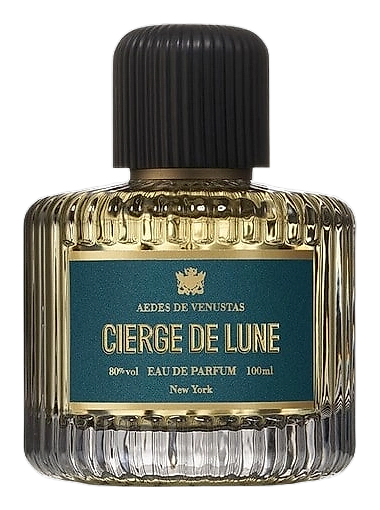
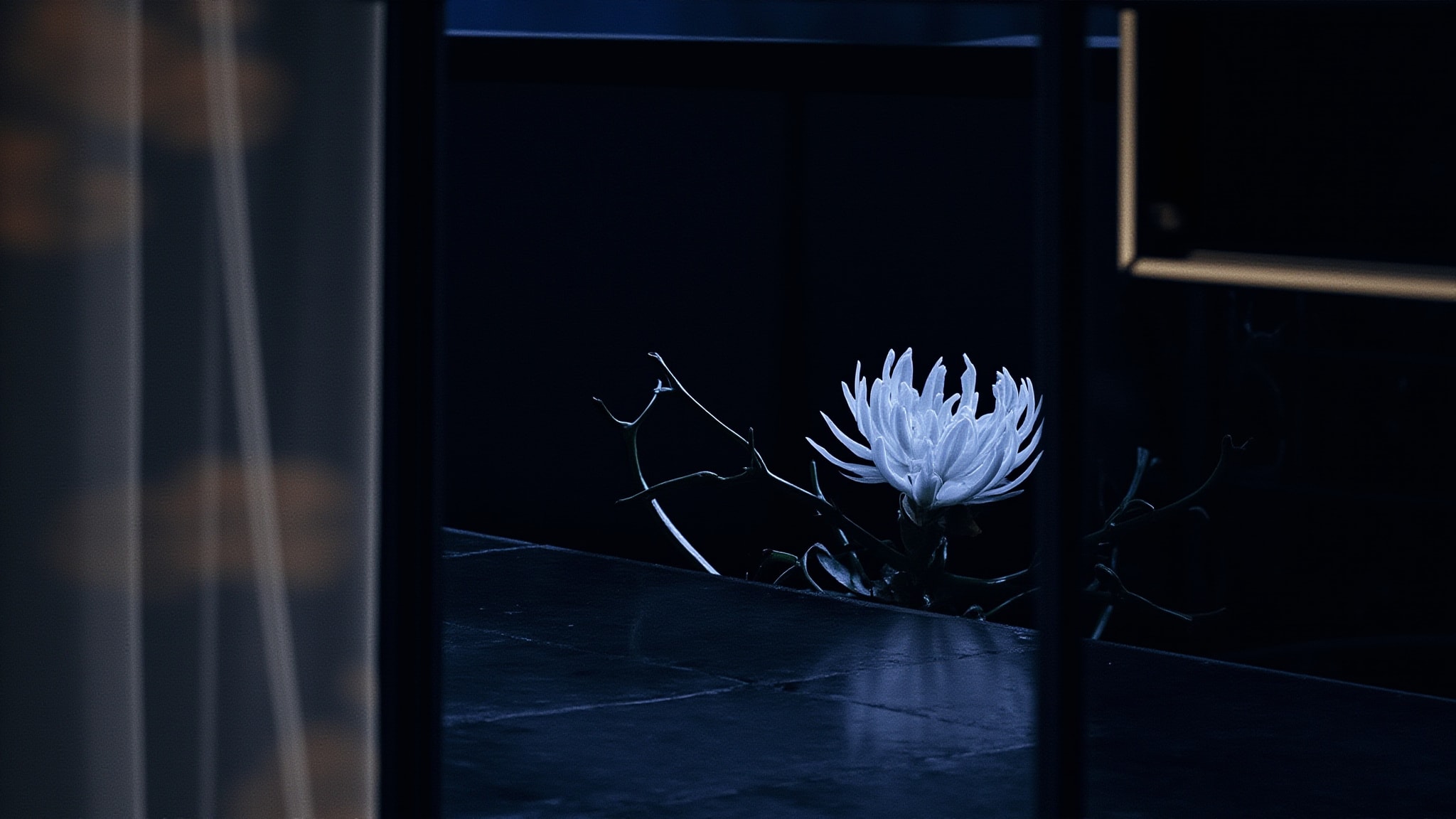
Aedes de Venustas operates as a bridge between European perfumery tradition and New York's particular sensibility, treating each fragrance as an artistic statement rather than a market calculation. The brand's Manhattan boutique serves as both laboratory and gallery, a space where fragrance is approached as cultural object. Fabrice Pellegrin, working within this context, approached Cierge de Lune with a single botanical obsession: the cereus, also known as Queen of the Night, a flower that blooms once and briefly. Mozart referenced this same queen in The Magic Flute, a parallel that Aedes embraced as cultural permission to create something dramatic yet restrained.
The decision to work with cereus as a primary reference reflects Aedes de Venustas's interest in botanical rarities, but the execution reveals something deeper about the house's philosophy. Vanilla in perfumery typically migrates toward comfort and familiarity. Cierge de Lune intercepts this tendency by introducing pepper as counterweight, by using hedione to redirect the floral trajectory, and by allowing suede and ambroxan to reshape the texture of the base. The result is a vanilla fragrance for people who find typical vanilla compositions too sweet or too obvious.
The evolution
The fragrance begins with crystal accord, a transparent opening that feels like moonlight rendered as scent. This cool clarity does not announce itself loudly; it simply exists with quiet confidence. As the heart develops, vanilla arrives without apology, but here it refuses the expected path toward gourmand territory. Instead, hedione amplifies the floral dimensions while pink pepper and black pepper introduce a subtle warmth that prevents the composition from becoming merely soft. Ylang-ylang deepens the heart's complexity, adding a tropical richness that grounds the pepper notes. The drydown introduces musk and amber, creating a warm base layer, while suede adds tactile texture. Ambroxan contributes a mineral clarity that echoes the crystal opening, and frankincense provides resinous depth, completing a fragrance that moves from luminous to intimate without ever losing its essential character.
Cultural impact
Cierge de Lune offers dark vanilla that doesn't smell like dessert, providing something more austere and nocturnal. Its connection to the Queen of the Night and the cereus bloom gives it narrative depth that appeals to those who want fragrance to tell a story. The fragrance stands apart from the gourmand trend, offering an alternative for those seeking something beyond traditional sweet interpretations. The cereus narrative provides a compelling framework that distinguishes this vanilla from more conventional expressions.