
The Story
Why it exists.
The beginning
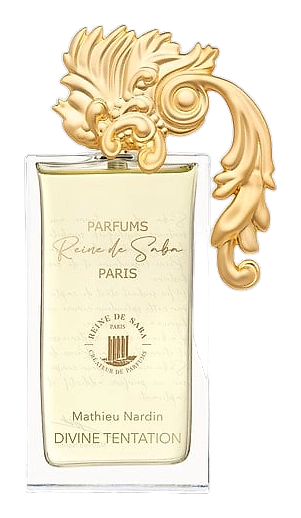
Mathieu Nardin designed Divine Tentation as an ode to the Queen of Sheba, a figure who traversed ancient trade routes in pursuit of the extraordinary. The name itself is the concept: a temptation so complete it borders on the sacred. Nardin built this around rum as an opening statement, not the alcohol, but its warmth, its slow burn, its ability to make a room feel smaller. Cinnamon and vanilla anchor it to the kind of spice that has been crossing oceans for centuries, carried by traders who understood that some things are worth the journey.
What makes this work is the guaiac wood in the heart. It's not the obvious choice, most oriental-spicy fragrances lean on oud or sandalwood for depth. Guaiac adds a certain smokiness that bridges the gap between the boozy opening and the sweet drydown. The peru balsam does something similar: a resinous, slightly medicinal quality that keeps the vanilla from going flat. Fig leaf in the top serves as a quiet corrective, green, slightly bitter, pulling the composition back from the edge of excess before it tips over.
The evolution
The opening lasts longer than expected. The rum doesn't flash and disappear, it lingers for the first thirty minutes, growing denser as the clove and fig leaf weave through it. By the time the cinnamon arrives, the composition has shifted entirely. What was warm and slightly sweet becomes something with real weight. The guaiac wood carries the heart for two to four hours, and during this phase the fragrance feels like it belongs to a different season entirely, autumn evening, not summer night. The drydown is where the patchouli earns its place. Not the dirty, earthy patchouli of the seventies, this one is clean, almost soft, threading through the amber and vanilla without overwhelming either. On fabric, the vanilla persists for a full workday-plus. On skin, closer to eight hours, with the amber staying closest to the body while the patchouli radiates outward.
Cultural impact
Divine Tentation sits comfortably within the warm-spicy oriental category that has dominated niche perfumery for the past decade. It enters a space shared by established players but differentiates through its sustained booziness, the rum note doesn't flash and vanish, it anchors the composition throughout. The fragrance appeals most directly to wearers who want oriental warmth without the heavy synthetics that plagued the category in earlier eras.