The Story
Why it exists.
The beginning
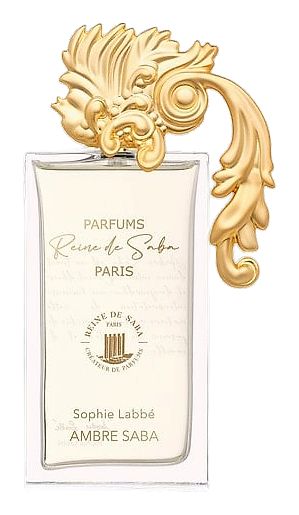
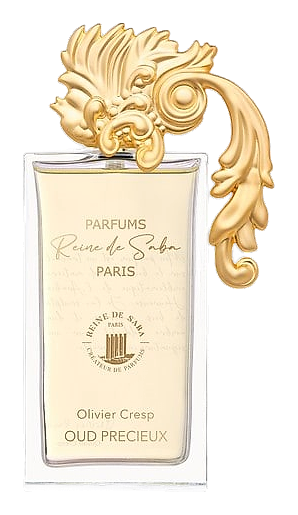
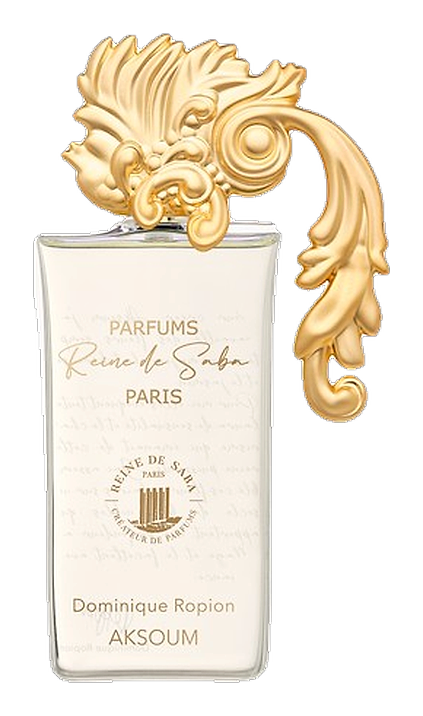
Dominique Ropion composed this fragrance for Reine de Saba, drawing from the legend of the Queen of Sheba to create a scent that speaks softly yet confidently. The composition takes the form of a white floral built for proximity rather than proclamation, a choice that feels both intentional and refined. Where many luxury fragrances compete for attention, this one settles into the space around you, intimate and understated. It represents a different kind of sophistication, one that rewards those who draw close rather than announcing itself across a room.
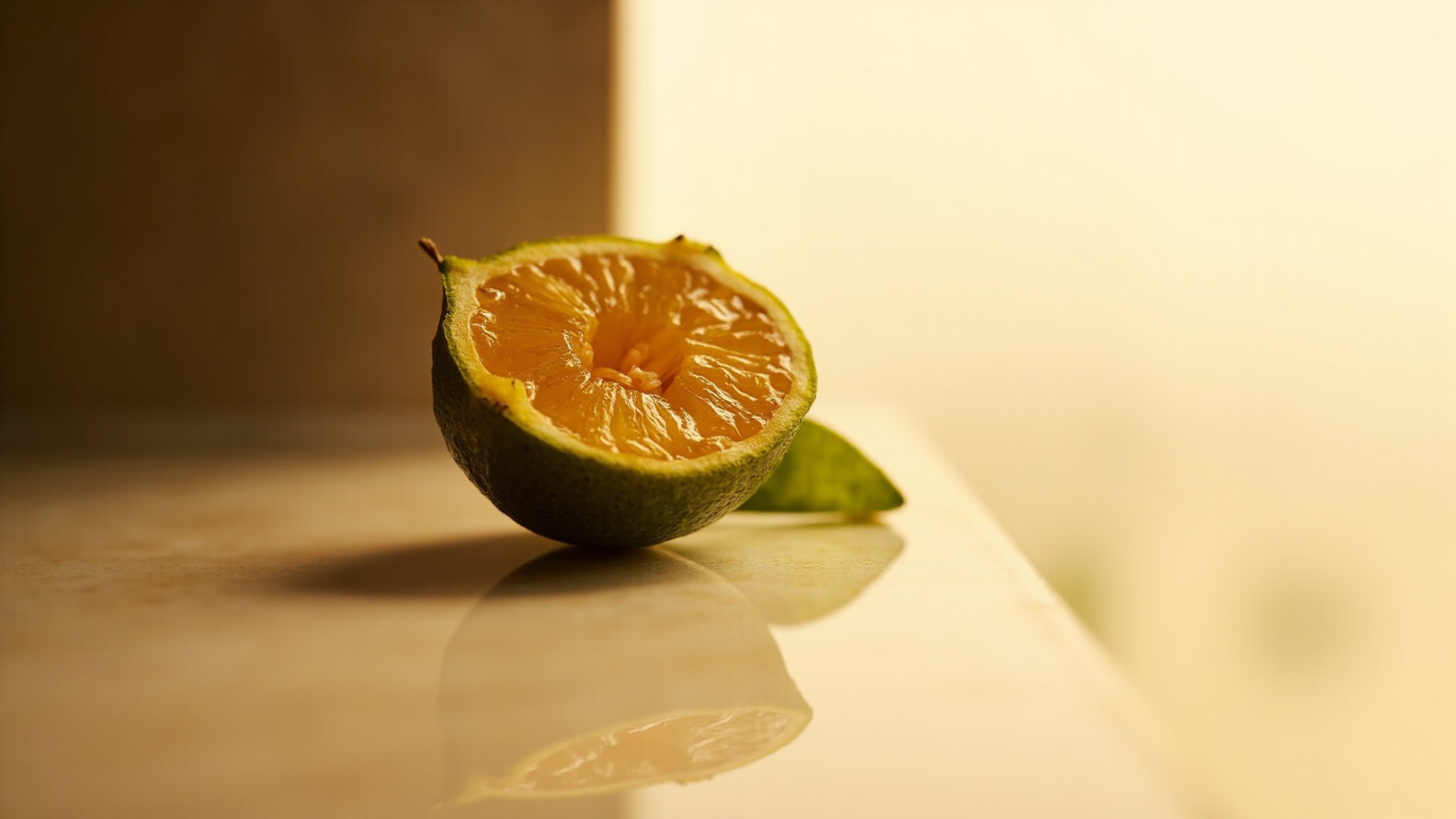
The combination of petitgrain and neroli in the opening creates a citrus that's green and bitter rather than sweet, evoking the fresh, sharp qualities of citrus groves. The Egyptian jasmine absolute and tuberose in the heart add a creamy body that makes the florals feel substantial without being heavy. Ropion handles this transition with restraint; the florals don't bloom into something louder, they settle into warmth.
The evolution
The opening announces itself quickly, petitgrain and bergamot arriving together, sharp and green, with neroli's orange blossom sweetness arriving shortly after. As the fragrance develops, the tuberose establishes itself, creamy and insistent, gradually shifting the citrus into a supporting role. The jasmine absolute holds the heart, a steady warmth that maintains its presence without dramatic evolution. The drydown is where musk and sandalwood take over, creating a skin-like quality that stays close and intimate. The base lingers comfortably, a quiet signature that reveals itself only to those standing nearby.
Cultural impact
The fragrance has found its audience among those who want elegance without projection. Community reviews describe it as the scent of someone who walks into a room and doesn't need to announce themselves. The white floral heart has drawn particular praise for its restraint, jasmine and tuberose arranged with precision rather than opulence. Some find the moderate sillage limiting; others consider it a feature, preferring fragrance that stays close rather than fills a space.