Guaiacol
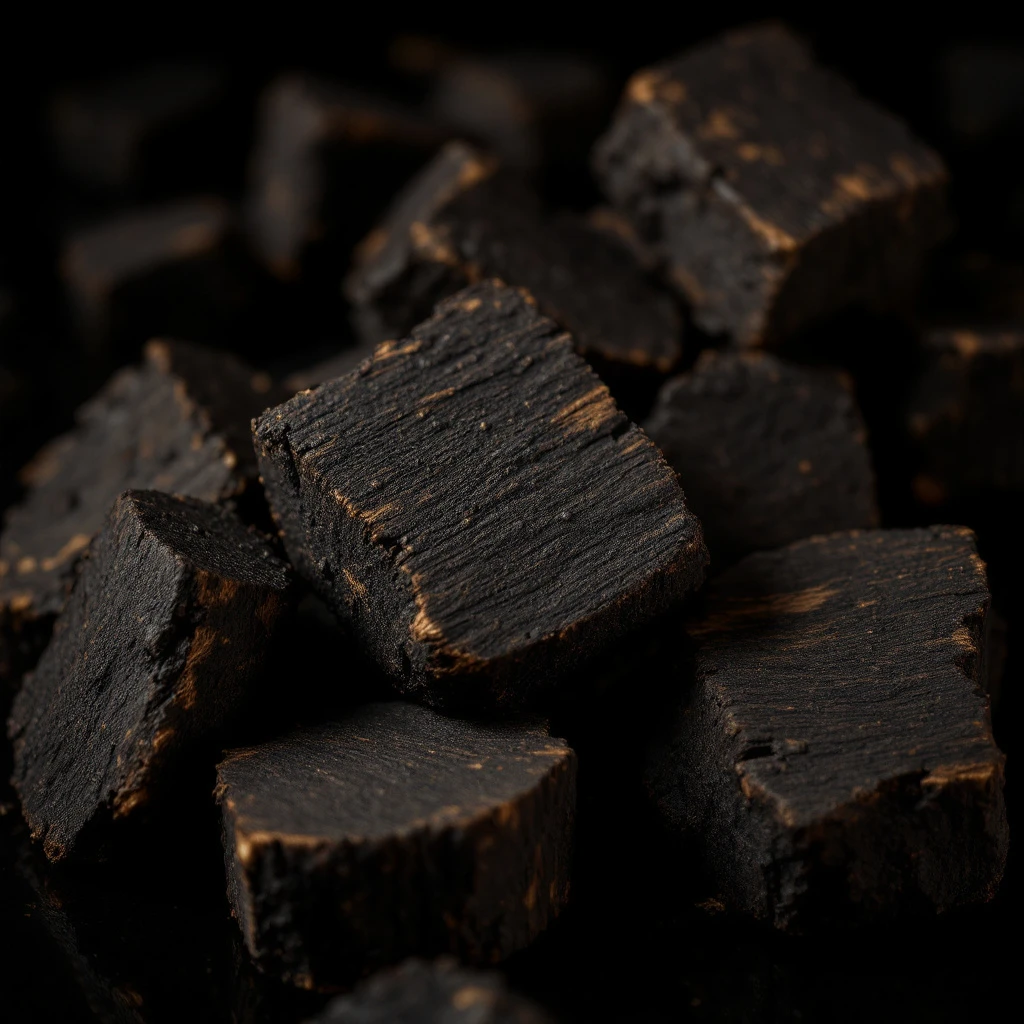
Guaiacol carries the unmistakable scent of smoked wood and warm earth—a phenolic compound that anchors fragrances with a smoky, leathery depth. Found naturally in creosote and created through the distillation of pine wood, it brings a primal, campfire-like warmth to compositions.
Character
How it smells
The smoky soul of burned wood.
Guaiacol serves as the primary precursor for synthesizing vanillin, the compound responsible for the distinctive aroma of vanilla.







Origin
United States
Guaiacol entered scientific literature in the mid-19th century when chemists first isolated phenolic compounds from wood tar during the rise of industrial chemistry. The compound gained early recognition for its medicinal properties before perfumers discovered its olfactory value. Its smoky, primal character proved essential for creating fragrances that evoke natural fire, burning wood, and earthy authenticity.
Today, guaiacol remains a critical building block in fragrance chemistry, bridging traditional natural extraction with modern synthetic methods. The ingredient's journey from creosote to perfume illustrates how perfumery constantly reimagines raw materials from other industries.
Wears it best
Fragrances featuring Guaiacol
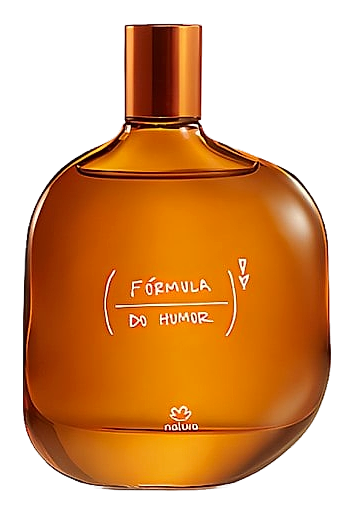
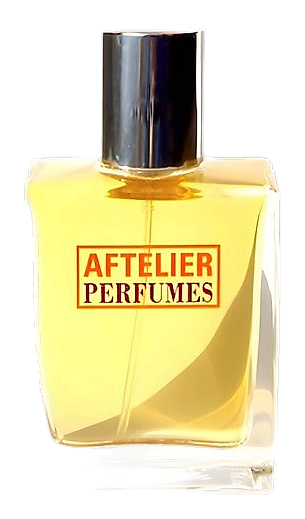
Brands
Brands known for Guaiacol
Good to know
Questions, answered
The essentials on Guaiacol in perfumery: how it smells, where it comes from, and how it behaves on skin.
What does guaiacol smell like?
Guaiacol has a distinctive smoky, phenolic odor reminiscent of burned wood and warm earth. It carries medicinal and leathery undertones that add primal depth to fragrance compositions. The compound evokes the smell of a campfire or smoldering embers, making it invaluable for creating fragrances with an organic, grounded character.
Is guaiacol natural or synthetic?
Guaiacol exists in both natural and synthetic forms. Natural guaiacol is extracted from pine wood creosote through steam distillation, while synthetic versions are produced through catalytic processes using renewable raw materials. Both forms meet fragrance industry standards for purity and performance.
Which fragrances feature guaiacol?
Guaiacol appears as a supporting note in smoky, woody, and leather-fragrance compositions. It provides depth and warmth, particularly in masculine and unisex fragrances designed to evoke natural, earthy scents. The compound works well alongside other woody materials like cedar and vetiver, adding an authentic, smoldering quality to blends.
Can guaiacol be used in food products?
Guaiacol serves as a flavoring agent in food products, contributing smoky notes to certain preparations. It also functions as a precursor in synthesizing vanillin for food applications. The compound is recognized as safe for consumption at regulated levels, with a long history of use in both the food and fragrance industries.
What safety considerations exist for guaiacol?
Guaiacol requires careful handling due to its phenolic nature, which can cause irritation in concentrated form. When used in fragrances at appropriate concentrations, it meets safety standards established by IFRA and other regulatory bodies. Professional formulations ensure safe use in consumer products.
How does guaiacol function in fragrance formulations?
Guaiacol acts as a fixative and modifier in fragrances, extending the longevity of smoky and woody notes while adding a medicinal, leathery quality that deepens overall character. It helps fragrances maintain their distinctive smoky quality throughout the wear time.
What is the connection between guaiacol and vanilla?
Guaiacol serves as the primary chemical precursor for synthesizing vanillin, the compound responsible for vanilla's characteristic aroma used in food and fragrance industries. This connection makes guaiacol essential to both industries, linking smoky and sweet aromatic profiles.
Where does guaiacol originate in nature?
Guaiacol occurs naturally in wood creosote from pine species, as well as in tobacco smoke and certain mineral oils. Its discovery emerged from 19th-century efforts to isolate useful compounds from wood tar, marking an important milestone in fragrance chemistry.