Peanut
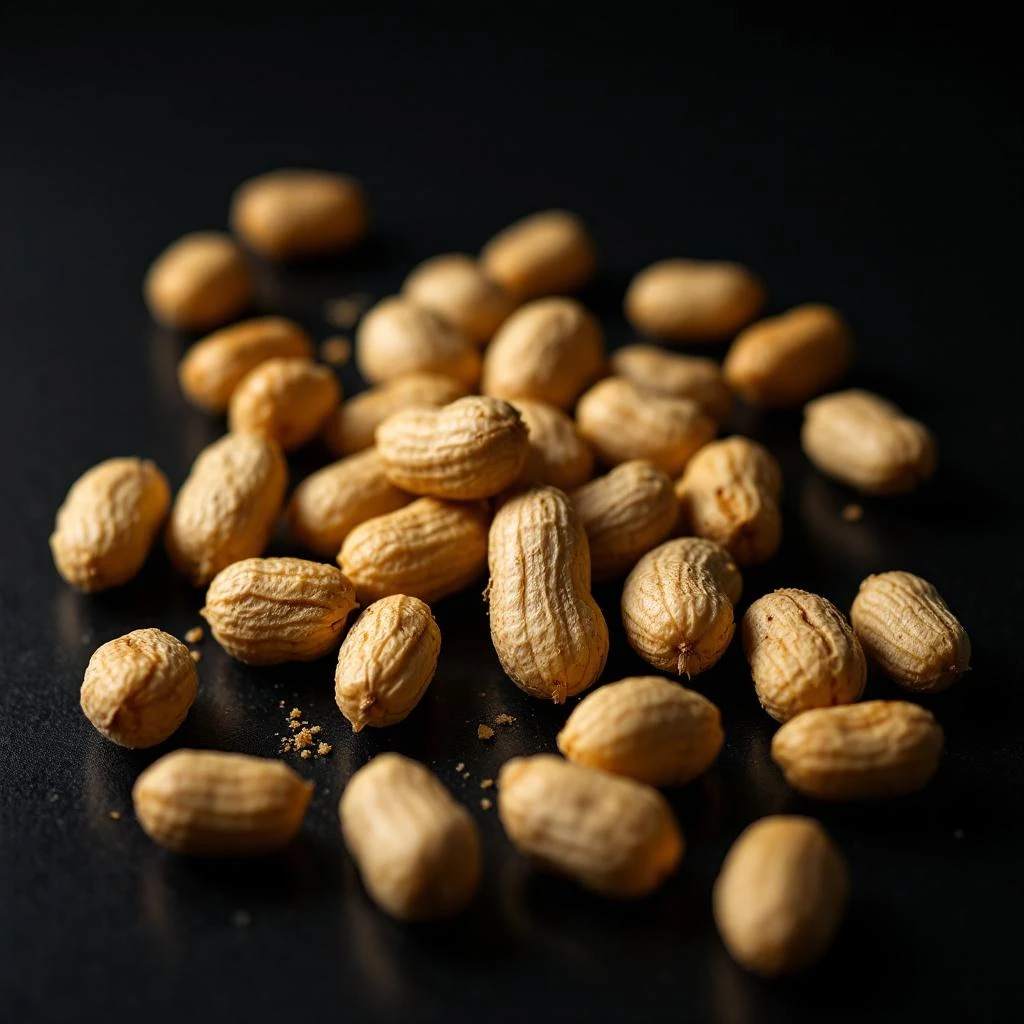
Peanut in perfumery exists almost entirely as synthetic aroma compounds that recreate the roasted, nutty character of the legume. These synthesized molecules allow perfumers to capture that craveable toasted quality without the instability of natural materials.
Character
How it smells
The toasted, nutty aroma of gourmand perfumery.
The pyrazines responsible for peanut's aroma rank among the most potent odorants known to science, detectable by the human nose at just parts per trillion.






Origin
Laboratory-created
While peanuts have been cultivated for over 8,000 years in South America, their role in perfumery is distinctly modern. The gourmand fragrance movement of the 1980s and 1990s drove demand for edible-smelling scents, and peanut found its niche as a synthetic note capturing that warm, roasted-nut character.
Before these synthetic options existed, perfumers attempting nuttiness relied on materials like hazelnut absolute or synthetic pyrazines alone. Today, peanut compounds appear in playful, comforting fragrances that evoke freshly roasted nuts without any food additive concerns.
Wears it best
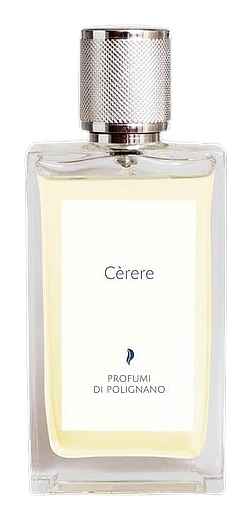
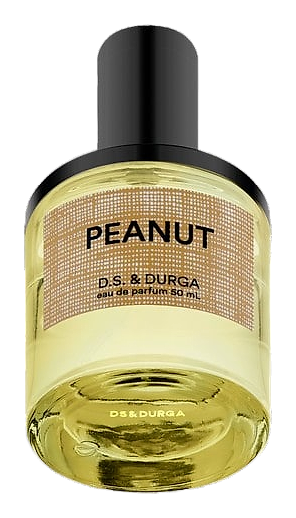
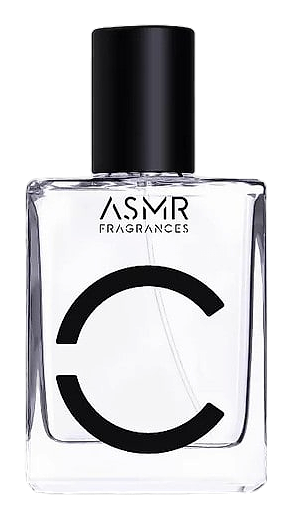
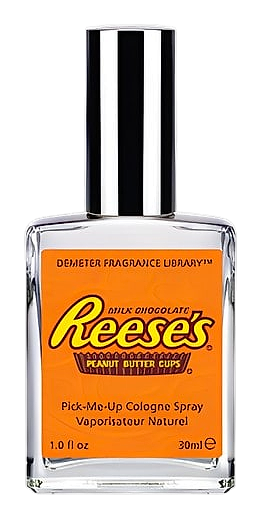
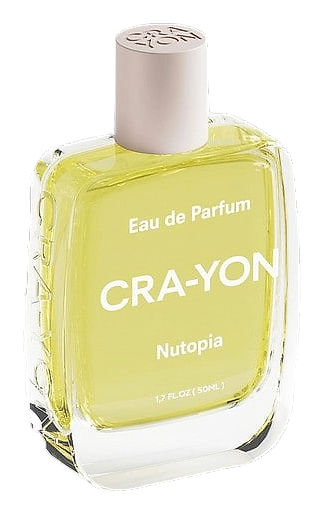
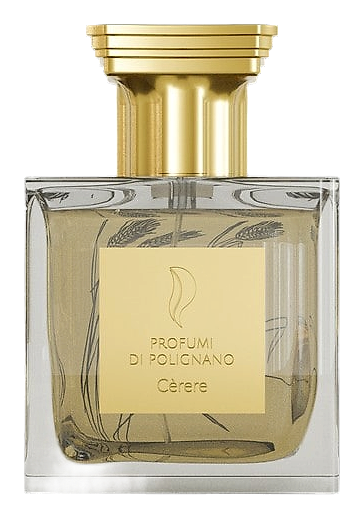
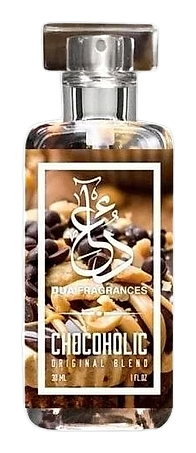
Fragrances featuring Peanut
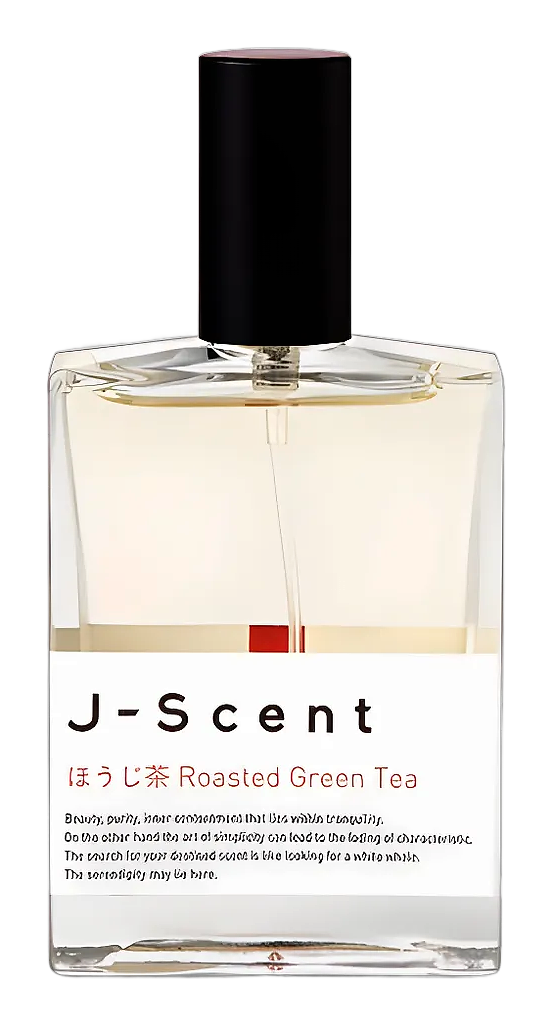
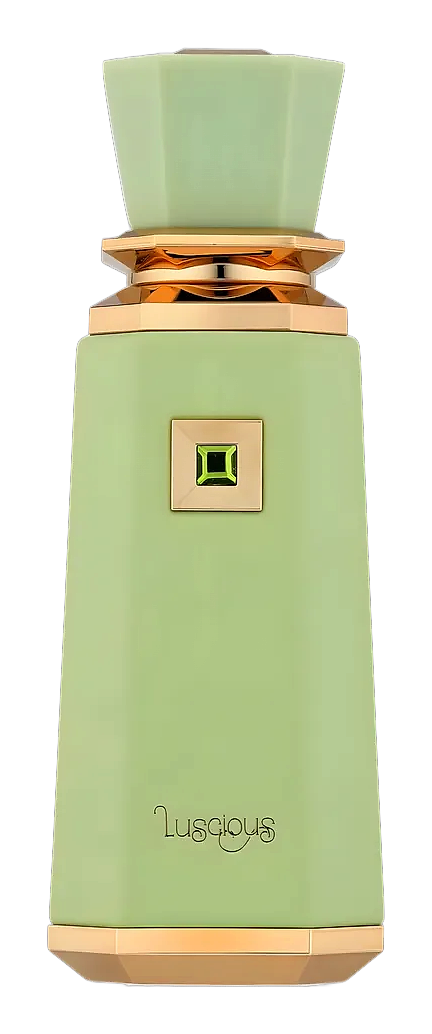
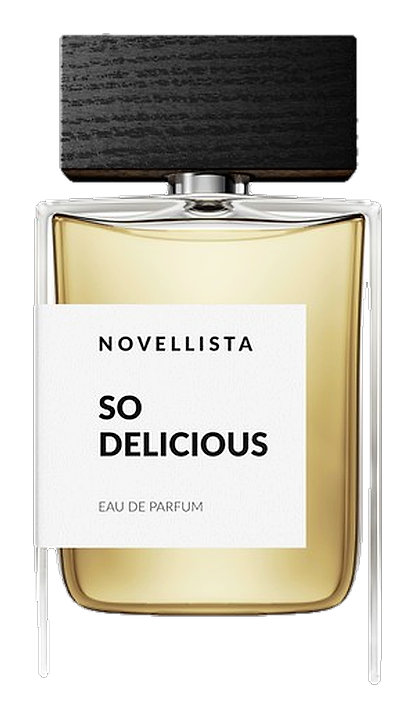
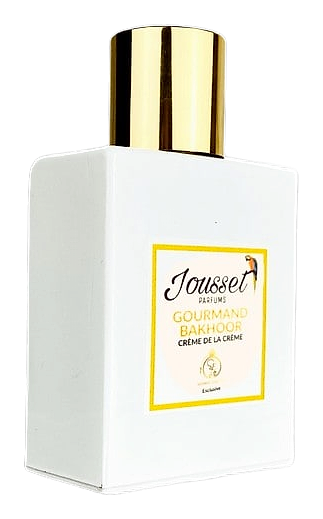
Brands
Brands known for Peanut
Good to know
Questions, answered
The essentials on Peanut in perfumery: how it smells, where it comes from, and how it behaves on skin.
Is peanut used as a natural ingredient in perfume?
No. Peanut aroma in perfumery is purely synthetic. Natural peanut materials present allergen risks and oxidation instability, making laboratory-synthesized compounds the practical choice for consistent, safe fragrance creation.
What does peanut smell like in a fragrance?
Peanut notes present as roasted, nutty, and slightly sweet with a warm, comforting character. The scent evokes freshly dry-roasted peanuts with subtle toasted undertones that add depth to gourmand and oriental fragrance compositions.
Are peanut compounds safe for people with peanut allergies?
Synthetic peanut aroma compounds do not contain peanut proteins, which trigger allergic reactions. However, cosmetic regulations often require separate peanut-derived ingredient declarations regardless of protein content, so always check full ingredient lists.
How do perfumers create peanut notes without natural materials?
Perfumers combine synthetic alkylpyrazines and nitrogen heterocycles in specific ratios to reconstruct peanut's characteristic aroma. These compounds interact with other fragrance materials to create authentic nutty effects without any natural peanut-derived ingredients.
Which fragrance families commonly use peanut notes?
Gourmand fragrances most frequently feature peanut compounds, often paired with caramel, vanilla, or tonka bean. Oriental and warm amber compositions also incorporate nutty notes for added depth and edible character.
Can peanut notes be found in natural essential oils?
Certain roasted essential oils and extracts contain trace pyrazines that contribute faint nutty undertones, but these occur incidentally rather than as primary peanut character. True peanut notes require deliberate synthetic formulation.
Do synthetic peanut compounds affect fragrance longevity?
Pyrazine-based peanut compounds generally offer good stability and moderate longevity in fragrance formulas. They hold well in alcohol-based perfumes and resist oxidation, making them reliable choices for base and heart notes.
Are there any safety concerns with peanut fragrance ingredients?
Synthetic peanut aroma compounds undergo safety evaluation similar to all fragrance ingredients. Regulatory bodies assess them for skin sensitization and usage limits, ensuring consumer safety when used within established concentration guidelines.