
The Story
Why it exists.
The beginning
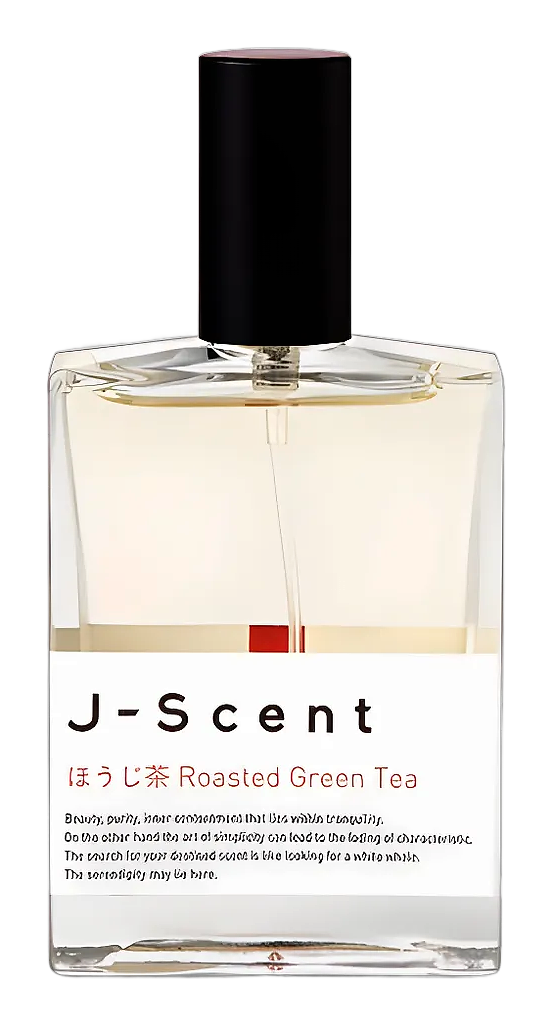
J-Scent was founded in 1998 by Tetsu Amada under LUZ Co., Ltd., with a philosophy centered on translating everyday Japanese life into portable scent. The brand draws from tea ceremonies, seasonal rituals, and the quiet moments that define daily existence in Japan. Roasted Green Tea is no exception, but it takes a less literal approach than its name might suggest. Rather than attempting a photographic tea accord, J-Scent captures the feeling of hojicha, the roasted green tea commonly drunk at the end of a meal in Japan, often served with milk as a quiet comfort. The opening trio of dried kelp, peanut, and coconut reflects this duality, balancing the maritime umami of Japanese coastal ingredients with the nutty warmth of roasted tea.
The note philosophy behind Roasted Green Tea reflects J-Scent's commitment to capturing everyday Japanese sensory experiences rather than replicating them exactly. Dried kelp represents the sea that borders Japan, while peanut and coconut ground the opening in comfort food associations. The heart of mint, jasmine, and winter green brings the freshness of Japanese gardens and herbal teas into play. The drydown of vanilla, cedarwood, clover, and iris shifts the fragrance toward warmth, evoking the quiet moment after a meal when hojicha is served. Each layer serves a purpose: the opening surprises and intrigues, the heart refreshes, and the drydown comforts.
The evolution
The fragrance opens with a striking combination of dried kelp, peanut, and coconut. Dried kelp brings a salty, oceanic quality that immediately differentiates this from typical green tea fragrances. Peanut adds a roasted, savory depth that feels almost snack-like, while coconut provides a creamy counterweight that keeps the opening from becoming too austere. Within the first hour, mint and jasmine emerge, their fresh, green floralcy replacing the initial savory intensity. Winter green reinforces this shift, adding an herbal astringency that keeps the heart crisp and lively. As hours pass, vanilla takes over, introducing warmth and gentle sweetness. Cedarwood follows, grounding the composition with woody depth, while clover and iris add a subtle powdery softness that lingers close to the skin. The evolution moves from unexpected umami to fresh herbal clarity to warm, intimate comfort.
Cultural impact
Roasted Green Tea has carved out a loyal following among wearers who want a fragrance that feels like a daily ritual rather than a statement. It sits comfortably in the overlap between niche and accessible, specific enough to feel personal, warm enough to wear without effort. The hojicha inspiration is rare in Western perfumery, which makes it distinctive in international markets even as it reads as familiar and comforting to those who grew up with the tea.