Heritage
A house, in its own words
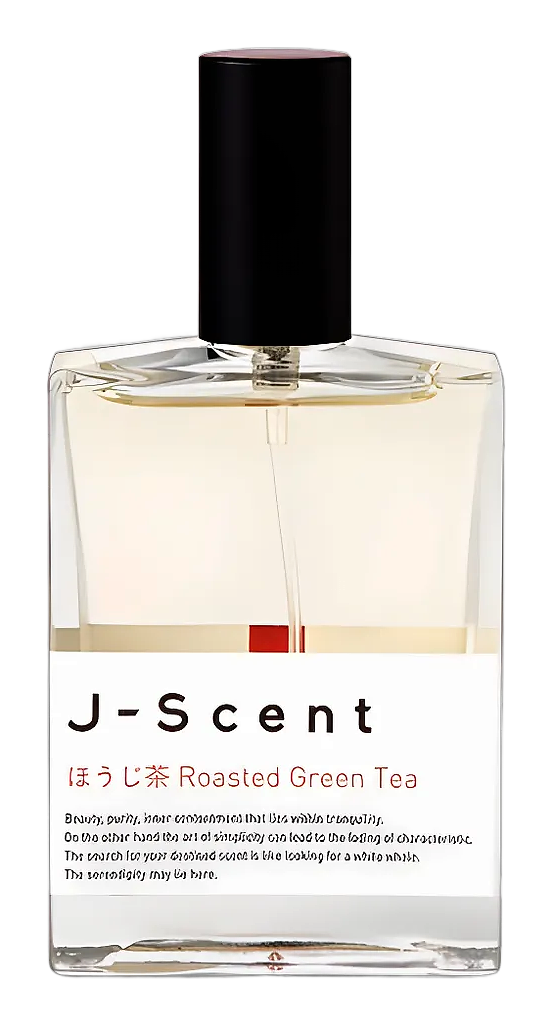
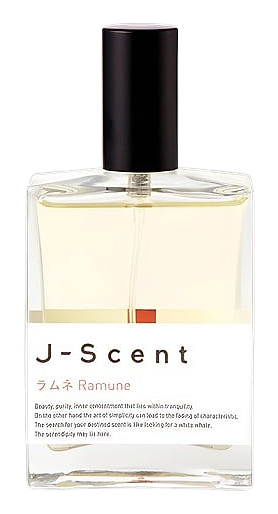
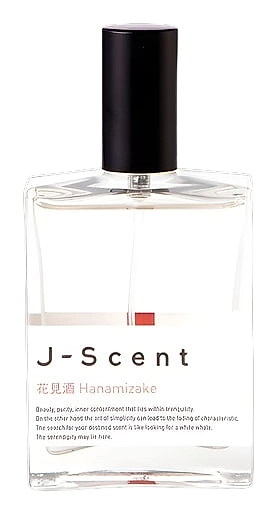
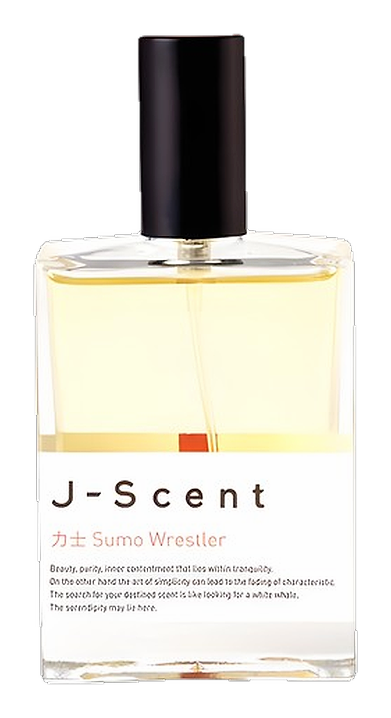
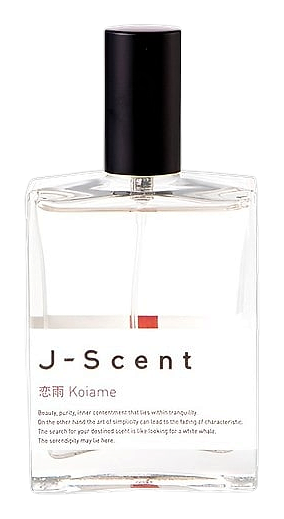
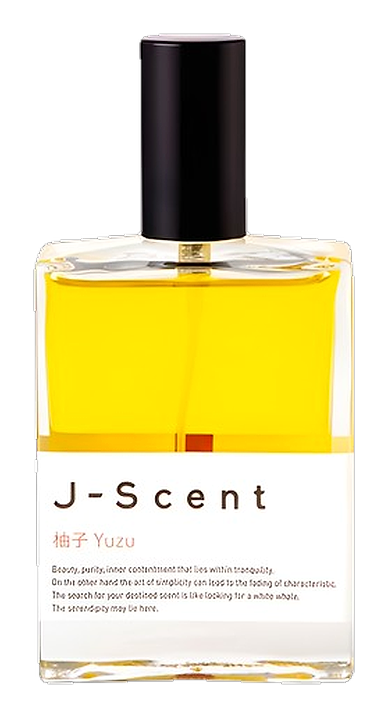
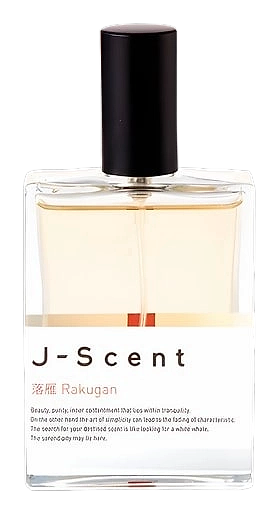
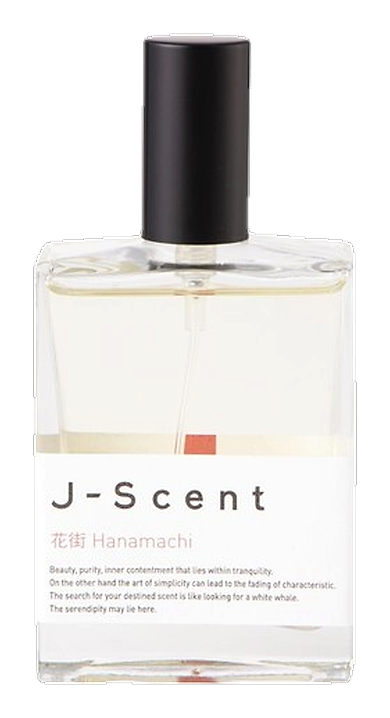
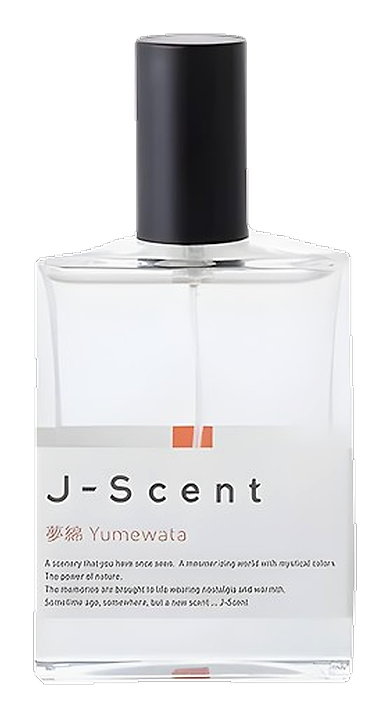
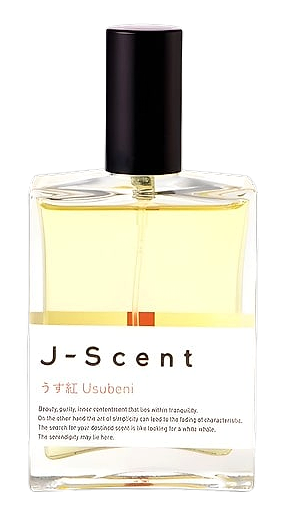
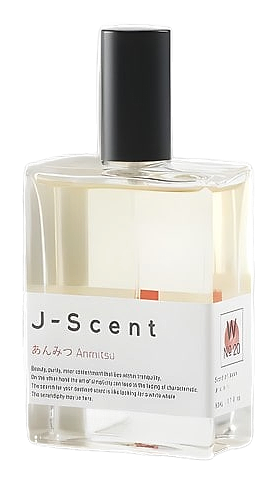
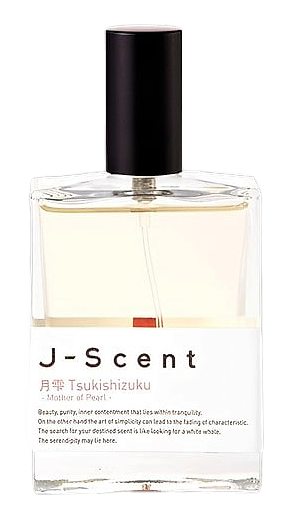
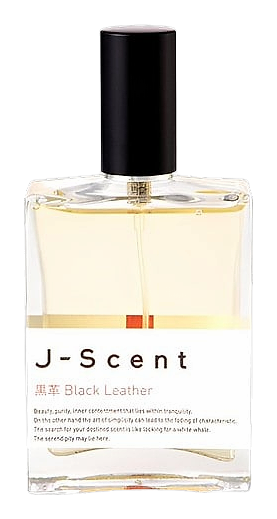
J‑Scent traces its roots to LUZ Co., Ltd., a fragrance company established in Tokyo in 1998. Tetsu Amada, who had spent the late 1990s working in the broader perfume industry, created LUZ as a platform for experimental scent work. The company built its own production facilities within the first few years, allowing it to control formulation and quality from raw material to final bottling. In 2004, LUZ launched its first consumer brand, marking the debut of J‑Scent as a distinct label. Early releases focused on reinterpretations of classic Japanese aromas, such as the 2015 Roasted Green Tea, which captured the smoky nuance of freshly brewed matcha. Over the next decade, the house expanded its portfolio with seasonal offerings like Hanamizake (2017) and Sumo Wrestler (2017), each referencing a specific cultural touchstone. By 2019, J‑Scent introduced Koiame, a fragrance that paired aquatic notes with subtle fruit, reflecting the brand’s willingness to experiment beyond traditional boundaries. The 2023 Anmitsu and 2024 Yumewata collections demonstrated a shift toward more narrative-driven scents, using layered accords to evoke memories of street markets and temple gardens. Throughout its history, J‑Scent has maintained a modest distribution model, partnering with select boutiques in Japan and a handful of international concept stores. The brand’s longevity stems from its disciplined approach to small‑batch production, a commitment to sourcing ingredients that honor Japanese terroir, and a steady stream of creative releases that keep collectors engaged. J‑Scent approaches perfumery as a dialogue between place and memory. The team believes that scent can translate the rhythm of everyday Japanese life into a portable experience. Rather than chasing trends, the house studies seasonal changes, regional foods, and traditional crafts to extract authentic olfactory cues. Each fragrance aims to act as a quiet invitation to pause and reflect, echoing the Japanese aesthetic of wabi‑sabi, which values imperfection and transience. The brand also emphasizes sustainability; it prefers locally sourced botanicals and works with suppliers who practice responsible harvesting. Transparency guides its creative process, and the perfumers share ingredient lists whenever possible, allowing enthusiasts to trace the composition back to its source. By grounding its vision in cultural specificity, J‑Scent seeks to offer a scent narrative that feels both personal and universally resonant.