













Heritage
A house, in its own words
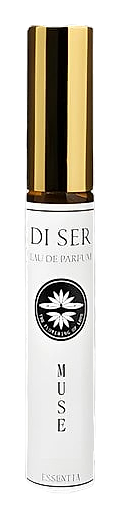
DI SER emerged in 1999 as a collaboration between two distinct entities: Essentia Ltd., a pharmacy focused on botanical purity, and Luz, a research and development unit dedicated to olfactory science. Both divisions operate out of Sapporo on Hokkaido, an island known for its cold climate and pristine natural environments. The founders, whose names remain low‑profile, chose the name “DI SER” to echo the Latin verb for “to give,” reflecting a desire to offer fragrance as a gift of nature. Early years saw the brand experimenting with traditional Japanese aromatics, but a turning point arrived when the team began a fifteen‑year investigation into kyara‑grade agarwood, a rare resin prized for its deep, resinous character. The project culminated in the release of the fragrance Kyara in 2000, marking DI SER’s first major milestone and establishing its reputation for patience and precision. Over the next decade the house expanded its catalogue with scents such as Shiragoromo (2000) and Manaka (2017), each anchored in a specific natural material. In 2019 the brand introduced Keman, a composition that opened with yuzu and blended rose and oud, gaining attention for its balance of brightness and depth. The 2020s brought a burst of new releases, including Kagiroi (2020) and the twin 2021 offerings Tsuzumi Boshi and Hana Matsuri, which highlighted seasonal Japanese flora. Throughout its history DI SER has maintained a small‑batch production model, refusing to scale beyond the capacity of its research laboratory, and continues to source ingredients from both Japanese forests and remote regions worldwide. The house frames perfume as a scientific dialogue with nature. Its creative vision rests on three pillars: material integrity, minimal intervention, and sensory clarity. DI SER believes that a fragrance should convey the true character of its raw ingredients, so it avoids synthetic aroma chemicals and limits its formula to natural extracts, plant‑based alcohol and pure water. The brand’s values emphasize sustainability; sourcing partners are chosen for responsible harvesting practices, and the company works closely with local growers to ensure traceability. By treating each scent as a case study, DI SER encourages wearers to experience the subtle shifts that occur as a natural ingredient ages on the skin. The approach rejects trend‑driven marketing in favor of quiet discovery, inviting collectors to explore a scent’s narrative over time. This philosophy is reflected in the brand’s modest release schedule, which allows the research team to devote full attention to each new material before it becomes a perfume.