
The Story
Why it exists.
The beginning
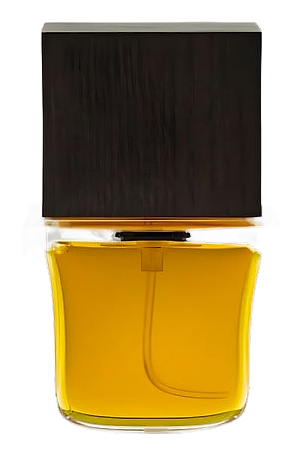
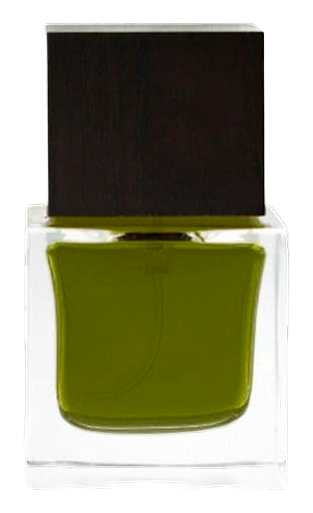
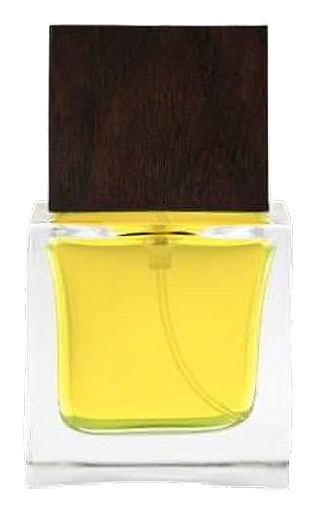
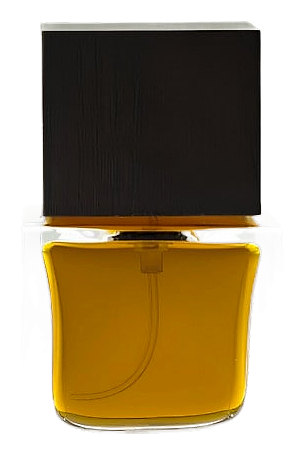
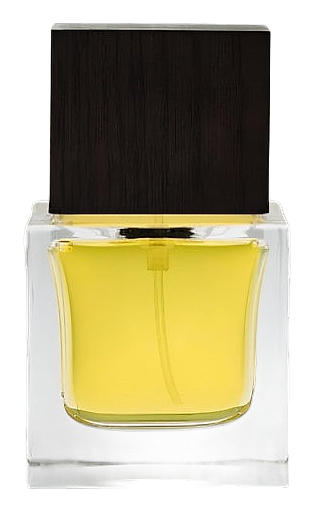
Sasora takes its name from a specific grade of agarwood used in Kōdō, the Japanese art of incense appreciation, a tradition where silence and scent share equal weight. In 2000, Shinohara Yasuyuki of DI SER created Sasora as a bridge between that meditative practice and modern fragrance. The brief was simple: translate the fragrance of ancient Japan into something wearable. Yuzu opens the composition, bright and astringent, before the heart of palisander rosewood introduces warmth. The base layers kyara oud and agarwood with spikenard, creating a drydown that echoes the smoldering calm of a private ceremony. This is incense culture distilled into something you can wear walking through a city at noon.
What makes Sasora unusual is the interplay between Japanese citrus and rare woods. Yuzu and spikenard are not common companions in Western perfumery, yuzu brings transparency and cold clarity, while spikenard contributes the dark, earthy complexity associated with Himalayan incense traditions. The result feels neither fully Eastern nor fully Western. Palisander rosewood bridges both worlds, warm and softly floral without veering into sweetness. Kyara oud, the pinnacle of agarwood quality, provides the resinous anchor without the heavy animalics found in many oud compositions. DI SER's all-natural approach means each material speaks for itself, no synthetic rescue, no muddled compromise.
The evolution
The opening announces itself within seconds: yuzu's citrus and camphor's cool bite arrive together, creating a sensation like stepping into a cold room. The camphor recedes after the first fifteen minutes, leaving space for palisander rosewood to emerge. The rosewood doesn't rush, it arrives gradually, adding warmth and a subtle floral quality that softens the citrus sharpness. The drydown is where patience matters. Kyara oud and agarwood begin their slow reveal around the thirty-minute mark, their resinous depth building quietly beneath the surface. Spikenard appears last, its earthy, slightly medicinal character anchoring the composition. By the second hour, the fragrance has settled into something close and warm, present on the skin without announcing itself. It stays intimate through hour four, occasionally releasing traces of wood and resin when warmth activates the skin.
Cultural impact
Sasora has found its audience among those who appreciate the meditative traditions of Kōdō and natural perfumery. The fragrance appeals to wearers who seek depth without heaviness, oud without the animalic intensity common in Western interpretations. Its restrained character makes it a quiet favorite among collectors of all-natural Japanese fragrances. For those drawn to contemplative scent experiences, Sasora offers something increasingly rare: genuine complexity without spectacle.