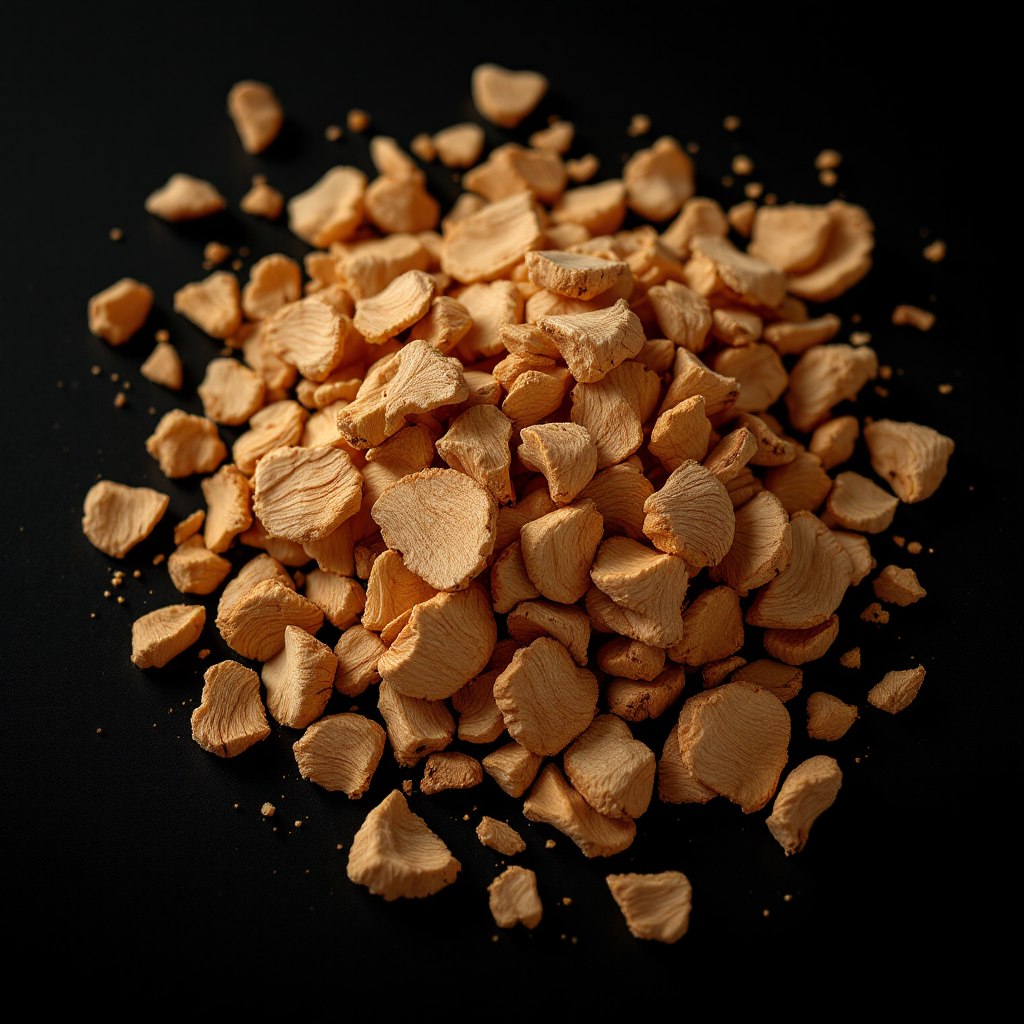
Kyara Oud
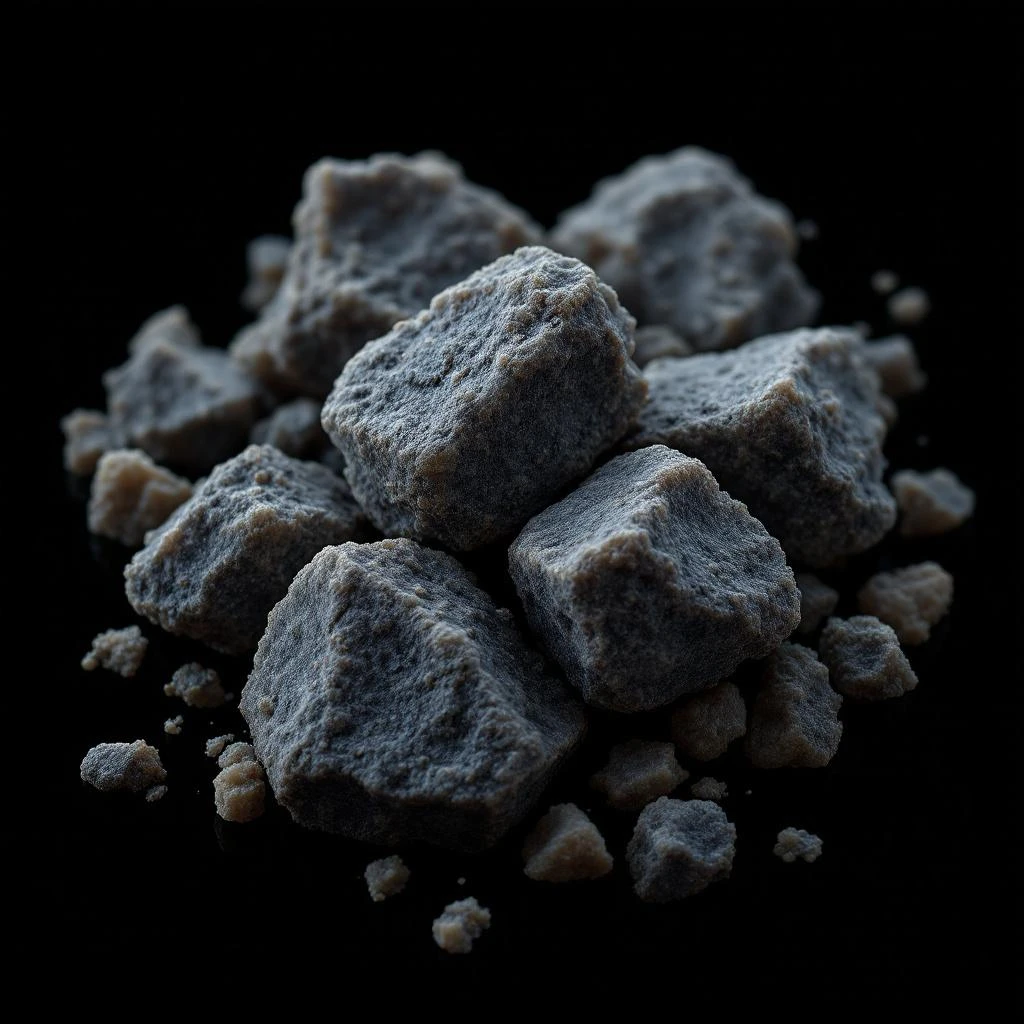
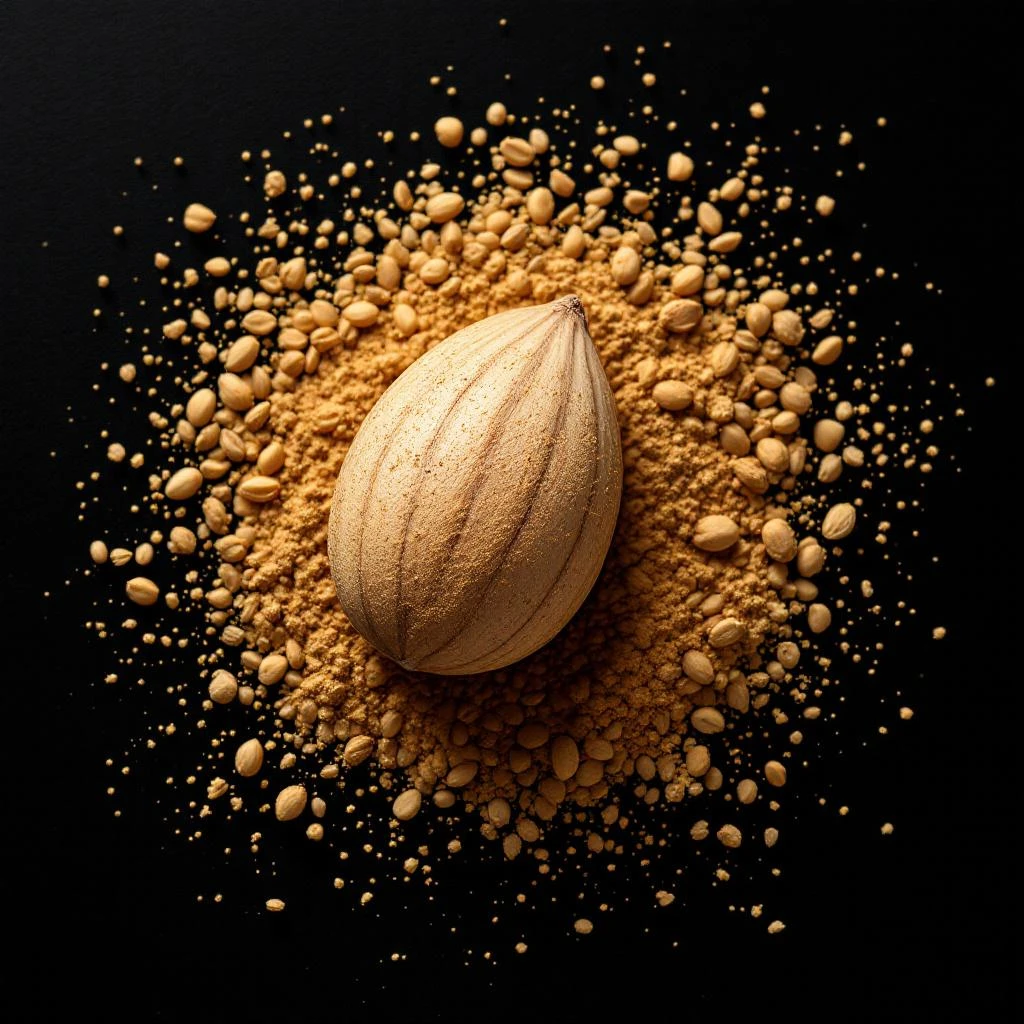
Kyara oud is the rarest grade of agarwood, prized for its resinous depth and meditative warmth. It forms only when Aquilaria trees defend themselves against fungal infection, producing aromatic resin over decades.

Character
How it smells
The rarest grade of agarwood on earth.
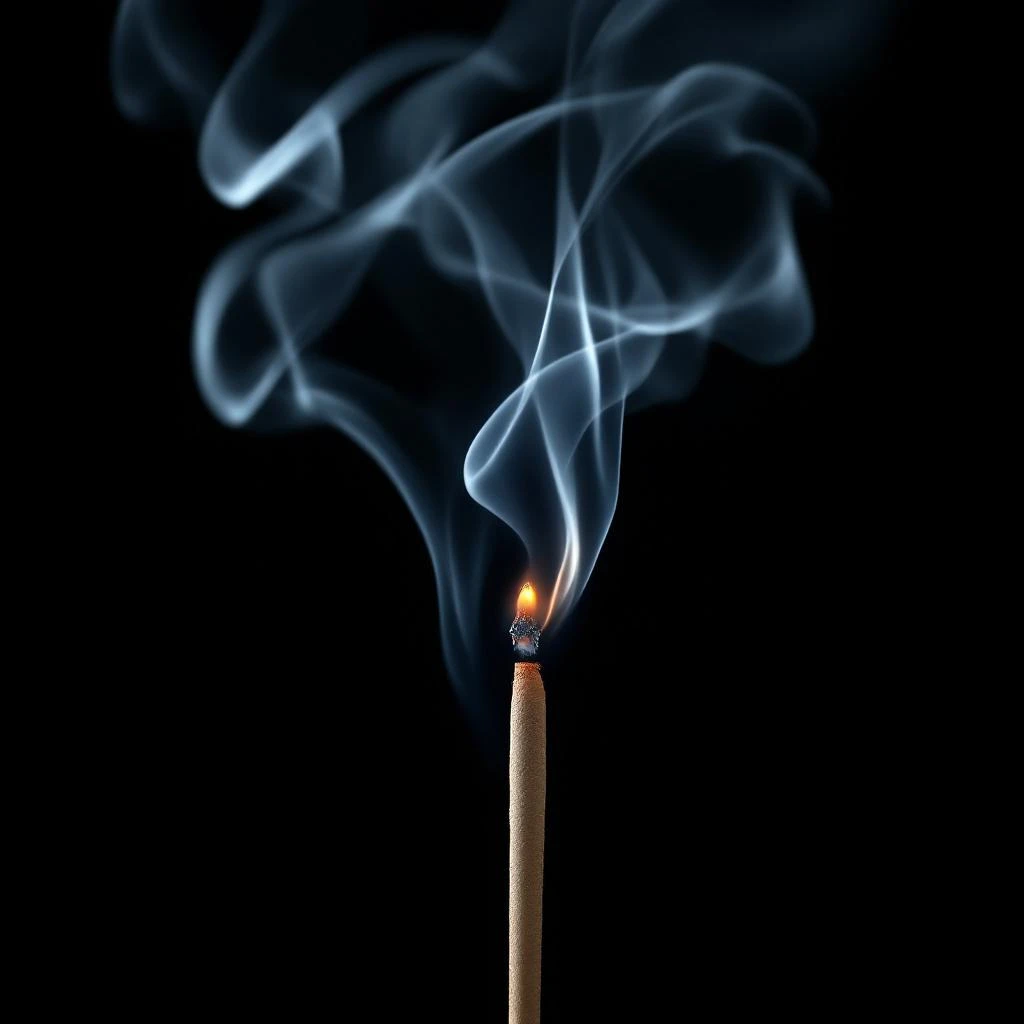
Authentic kyara is never distilled or extracted. In traditional Kodo ceremony, small pieces are heated over mica plates and the rising smoke alone carries the scent.




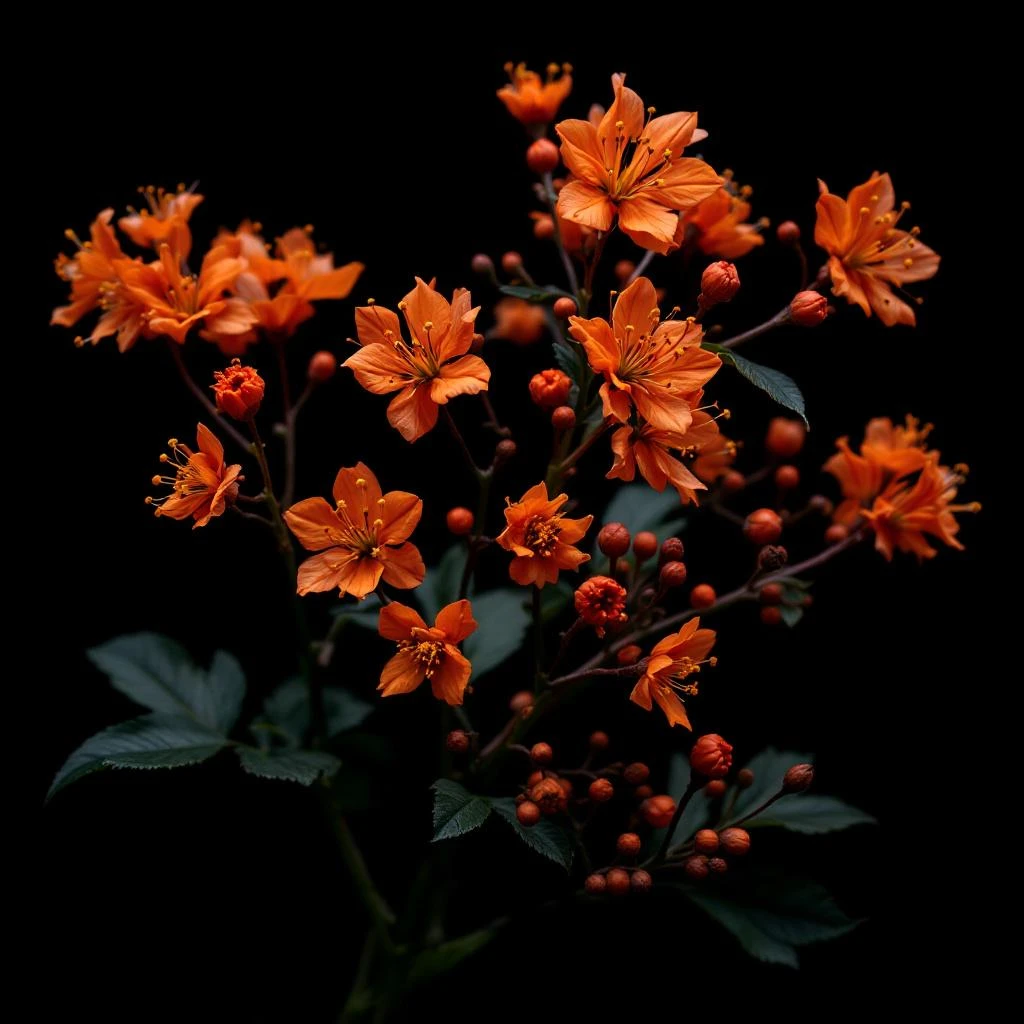

Origin
Vietnam
The word kyara entered Japanese vocabulary centuries ago through trade routes connecting Japan to Southeast Asia and China. By the Muromachi period (1336 to 1573), kyara had become the most valued category in Kodo, the codified art of incense appreciation. Listeners identified distinct profiles within kyara, naming grades such as superior, fragrant, and aromatic based on the scent released during low-temperature heating.
Agarwood itself had a much older recorded history in the Middle East and South Asia, appearing in Sanskrit texts and Ayurvedic compilations as a medicinal and spiritual substance. Buddhist incense traditions carried it across Asia, where it became embedded in religious rites in Tibet, China, and eventually Japan. The Japanese cultivated a particularly refined sensory vocabulary around agarwood, distinguishing kyara from lower grades including jinko and byakudan.
In modern perfumery, kyara references the olfactory ideal these traditions built: a dense, cooling bitterness layered over resinous sweetness. Western niche perfumery began explicitly citing kyara in fragrance compositions in the early 2000s, translating a centuries-old grading system into a perfumery shorthand for the most refined agarwood character achievable.
Wears it best
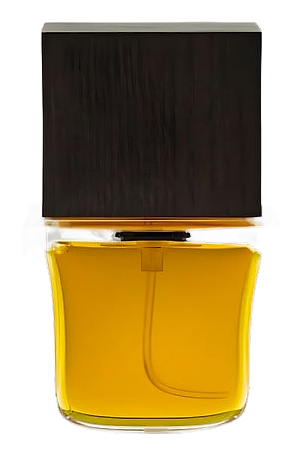
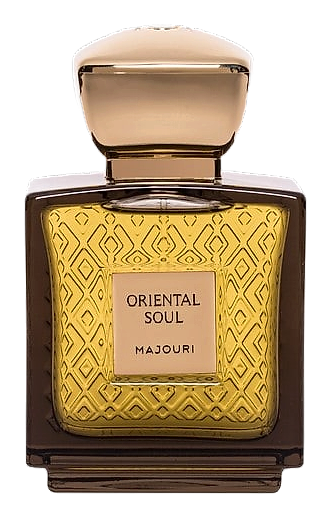
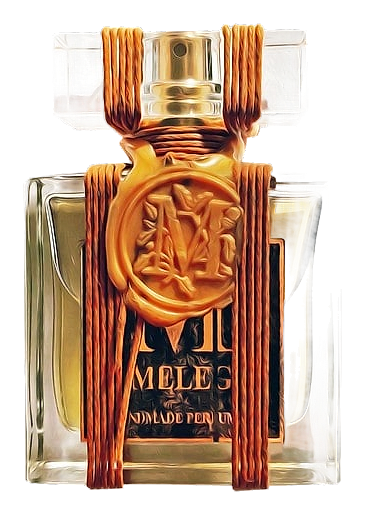
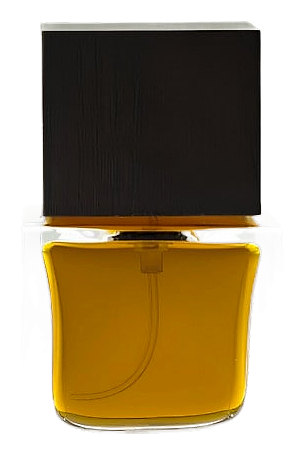
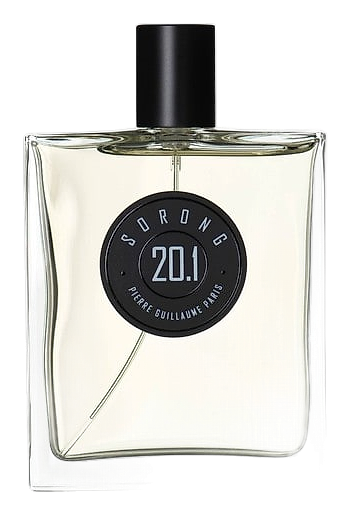
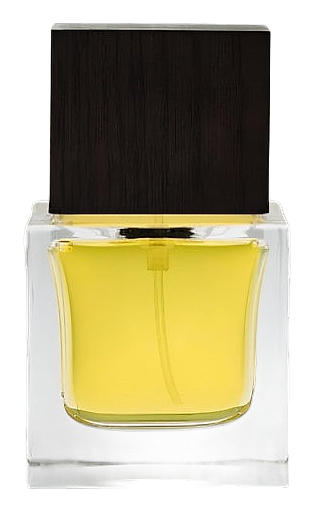
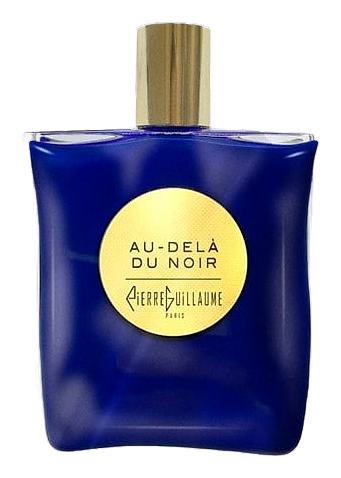
Fragrances featuring Kyara Oud
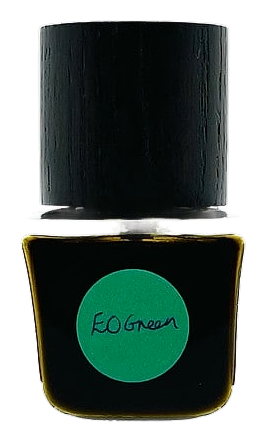
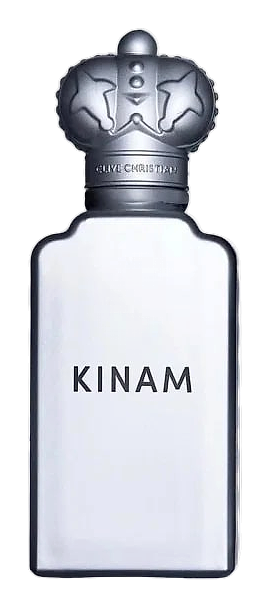
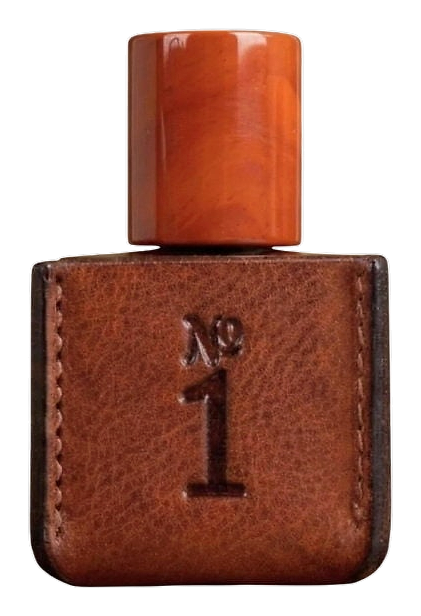
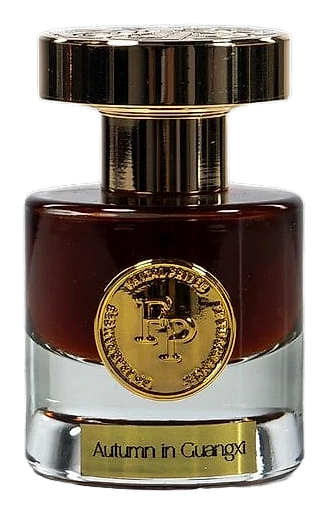
Brands
Brands known for Kyara Oud
Good to know
Questions, answered
The essentials on Kyara Oud in perfumery: how it smells, where it comes from, and how it behaves on skin.
What makes kyara oud different from regular oud?
Kyara is the highest grading tier within agarwood, distinguished by concentrated resin density and a cooling, bitter-resinous profile that standard oud lacks. It forms in a small fraction of Aquilaria trees, typically those naturally infected and aged for decades in specific Southeast Asian forests.
Is kyara oud used in perfume or only in incense?
Both. Authentic kyara appears primarily in Japanese Kodo incense ceremonies, where chips are heated on mica plates. In Western perfumery, compositions use the kyara profile through agarwood distillates and reconstructed accords that approximate its character.
Why is kyara so expensive?
Supply is the central constraint. Genuine kyara forms in perhaps one in several thousand Aquilaria trees under specific conditions of fungal infection and aging. Harvest yields per tree are measured in grams, not kilograms, keeping market prices at the top of natural raw materials.
Where does kyara agarwood originate?
Wild-harvested kyara originates primarily from Vietnam, Cambodia, Laos, and parts of northeastern India. Japanese traders historically sourced the finest material through Ryukyu kingdom networks connecting to these regions.
What does kyara oud smell like?
Kyara carries a dense, slightly bitter resinous character layered with cooling, almost minty facets and deep woody undertones. It reads as more refined and transparent than standard oud, with less animalic intensity and greater aromatic clarity.
Can kyara be synthetically replicated?
Modern aroma chemicals recreate certain facets of the kyara profile, particularly the cooling, bitter elements. No synthetic fully captures the complexity of authentic kyara resin, though high-quality reconstructions appear increasingly in commercial fragrances.
How is kyara graded?
Kodo traditions categorize kyara into subgrades including superior kyara, fragrant kyara, and aromatic kyara, ranked by scent complexity. Grading depends on resin saturation, fragrance profile when heated, and visual density of the wood grain.
Is kyara agarwood endangered?
Wild Aquilaria species are listed under CITES Appendix II due to habitat loss and overharvesting pressure. Cultivated agarwood from inoculated plantations now supplies most commercial oud, reducing pressure on wild populations.