The Heritage
The Story of Meleg Perfumes
Meleg Perfumes is a small‑batch fragrance house that emerged in 2020 from the kitchen of Matthew Meleg, a self‑taught nose based in Canada. The brand focuses on hand‑crafted scents that reference vintage perfume structures while exploring contemporary themes. Each release is produced in limited quantities, often tied to a specific story or place, and presented in minimalist glass bottles that let the fragrance speak for itself. Meleg’s catalogue includes the smoky Birch Tar and Russian Leather, the animalic Civet Cat Chypre, and the citrus‑sweet Madeline Peach, among others. The house positions itself as a laboratory for personal expression rather than a commercial powerhouse, inviting collectors to discover scents that feel both familiar and unexpected.
Heritage
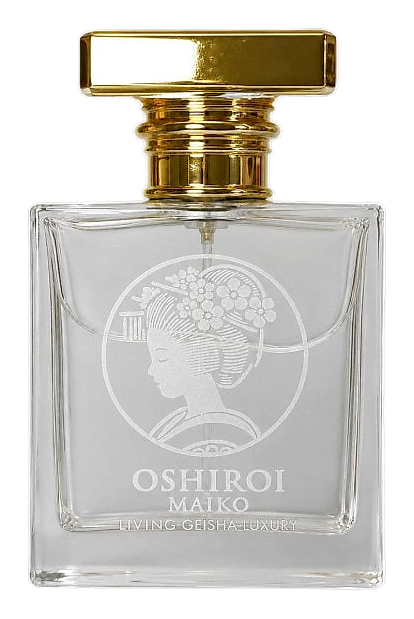
Matthew Meleg grew up in a Slovak family that had settled in the Vojvodina region of Serbia, a background he later described as a blend of Central European tradition and Balkan curiosity. After moving to Canada, he began experimenting with essential oils while coping with mental‑health challenges, teaching himself the chemistry of perfume through trial, library research and online forums. In early 2020 he launched Meleg Perfumes as a personal project, releasing the first wave of fragrances—including Civet Cat Chypre, Birch Tar and Russian Leather, and Madeline Peach—through a simple website and word‑of‑mouth community. The brand’s early success attracted attention from niche‑fragrance blogs and a handful of indie‑nose YouTube channels, which highlighted the authenticity of a self‑taught creator working outside the traditional perfume houses. In late 2020 Meleg introduced Oshiroi, an homage to Japanese geisha and maiko culture, capped at 500 bottles. The limited run demonstrated the founder’s willingness to blend cultural references with a disciplined production model. 2021 saw the addition of Golden Gai, a scent inspired by Tokyo’s narrow nightlife alleys, and a series of incense‑like compositions such as Mushin Japanese Incense. By 2022 the line expanded to include a leather‑focused Oud and a sweet‑spicy Honey and Deer Musk, each accompanied by handwritten notes that explained the inspiration behind the blend. The most recent releases in 2023 continued the pattern of place‑based storytelling, reinforcing Meleg’s reputation as a niche house that values narrative as much as olfactory craft. Throughout its four‑year history the brand has remained independent, with production carried out in a modest studio in Ontario. Media coverage remains limited to specialty fragrance outlets and independent podcasts, which have praised the house for its transparency, limited‑edition ethos, and the personal voice that Matthew Meleg brings to each bottle. The brand’s trajectory illustrates how a single passionate individual can build a recognizable niche presence without the backing of a large corporation.
Craftsmanship
Every Meleg fragrance begins as a sketch on paper, where Matthew Meleg notes the intended mood, key accords, and reference points from historic perfumes. The next step is a small‑scale trial, often conducted on a kitchen scale, where raw materials—ranging from natural civet essence to lab‑synthesized oud—are weighed and blended in glass beakers. The house favors a traditional maceration process: the mixture rests in dark glass containers for several weeks, allowing volatile compounds to integrate fully. Ingredient sourcing follows a selective path. Natural absolutes such as birch tar and Russian leather are procured from European suppliers with documented ethical practices. Synthetic molecules, including certain musks and amber notes, are chosen for their stability and consistency, ensuring the final scent remains true to the original concept over time. For region‑specific releases like Golden Gai, Meleg partners with Japanese distributors to obtain authentic incense resins and tea‑leaf extracts. Quality control is hands‑on. After aging, each batch is evaluated by the founder using a calibrated scent strip method, noting any deviations from the target profile. Adjustments—often a few drops of a supporting note—are made before the final blend is poured into 5 ml or 10 ml amber glass bottles. The bottles are sealed with simple metal caps, and each is labeled by hand, including the batch number, date, and a brief story. Production volumes remain intentionally low, typically ranging from 200 to 800 bottles per release. This limited scale enables meticulous attention to detail and reduces the risk of batch variation. The entire process, from concept to final packaging, can span three to six months, reflecting a commitment to craftsmanship over speed. Packaging materials are chosen for durability and minimal environmental impact. Amber glass protects the fragrance from light, while recycled cardboard boxes provide a sturdy outer shell. The brand avoids plastic inserts, opting instead for paper‑based inserts that convey the scent’s narrative. This pragmatic approach to production underscores Meleg’s dedication to creating high‑quality, responsibly made perfume experiences.
Design Language
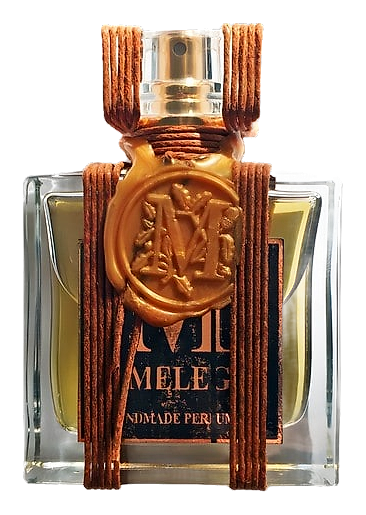
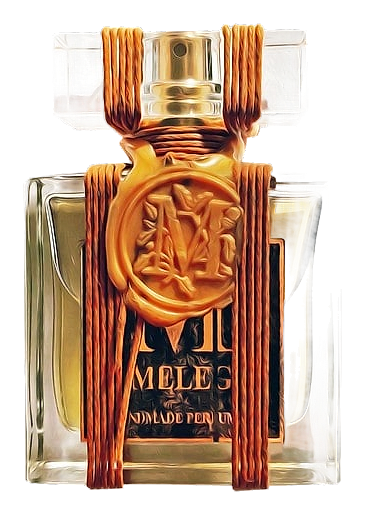
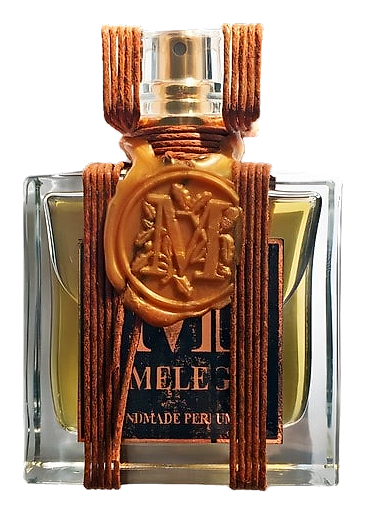
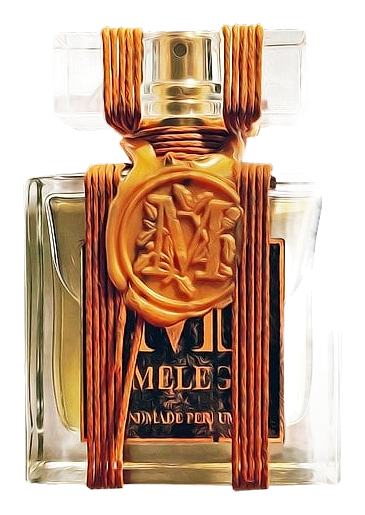
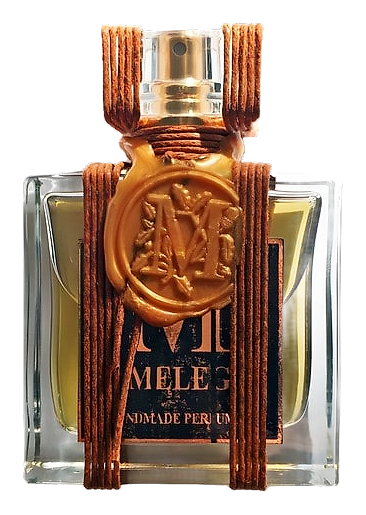
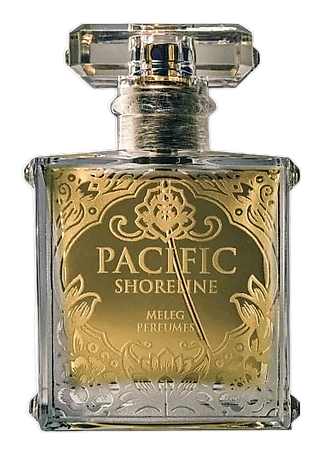
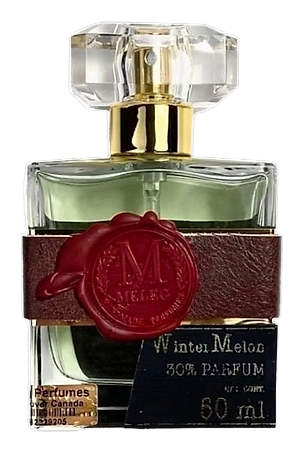
Meleg Perfumes presents its scents in understated amber glass bottles that echo the vintage apothecary look. The bottles feature clean lines, a thin metal cap, and a simple label printed on matte paper. Handwritten typography conveys a personal touch, often including the fragrance’s name, year, and a brief anecdote. For the Oshiroi edition, the label incorporates subtle gold foil and a stylized brushstroke reminiscent of Japanese calligraphy, reinforcing the cultural reference. The brand’s visual identity leans on a muted colour palette—deep browns, soft greys, and occasional muted reds—that mirrors the olfactory themes of leather, wood, and spice. Marketing imagery typically shows the bottle placed on natural textures such as wood planks, stone slabs, or linen, allowing the scent’s story to emerge without overt graphic embellishment. Social media posts maintain this minimal aesthetic, using soft lighting and close‑up shots that highlight the glass’s clarity and the label’s hand‑drawn elements. Typography across the website and packaging employs a classic serif font paired with a clean sans‑serif for body text, balancing tradition with modern readability. The overall brand image projects an intimate workshop atmosphere rather than a glossy commercial studio, inviting collectors to feel as though they are holding a handcrafted artifact rather than a mass‑produced product. This visual restraint aligns with Meleg’s philosophy of letting the fragrance itself be the focal point.
Philosophy
Meleg Perfumes operates on the belief that scent is a personal diary, a way to record moments that cannot be captured in words. The house’s creative vision centers on small‑batch experimentation, allowing each formula to evolve without the pressure of mass production. Matthew Meleg emphasizes honesty in ingredient disclosure, often listing both natural extracts and synthetic accords on the label. This openness reflects a broader value system that prizes transparency over mystery. The brand draws inspiration from vintage perfume families—such as chypres, fougères, and leather notes—while reinterpreting them through contemporary lenses. Rather than chasing trends, Meleg seeks to revive forgotten scent structures and pair them with modern sensibilities, resulting in fragrances that feel both nostalgic and fresh. Sustainability is approached pragmatically: the house sources raw materials from reputable European and Asian suppliers, avoids unnecessary packaging, and limits each release to a defined number of bottles, reducing waste. Community also shapes the philosophy. Feedback from early adopters informs subsequent releases, and the founder frequently shares the creative process on social platforms, inviting dialogue about scent memory, composition, and the emotional resonance of perfume. In this way, Meleg Perfumes builds a collaborative narrative where the creator and the collector co‑author the story behind each bottle.
Key Milestones
2020
Meleg Perfumes launches with initial releases such as Civet Cat Chypre, Birch Tar and Russian Leather, and Madeline Peach.
2020
Oshiroi, an homage to Japanese geisha culture, is released in a limited run of 500 bottles.
2021
Golden Gai, inspired by Tokyo's nightlife alleys, expands the brand's geographic storytelling.
2022
Introduction of Oud and Honey and Deer Musk, marking the house's first foray into heavier, animalic compositions.
2023
Latest collection adds new limited editions, continuing the practice of hand‑labelled, small‑batch releases.
At a Glance
Brand profile snapshot
Origin
Canada
Founded
2020
Heritage
6
Years active
Collection
2
Fragrances released
Avg Rating
3.3
Community sentiment
Release Rhythm


