
The Story
Why it exists.
The beginning
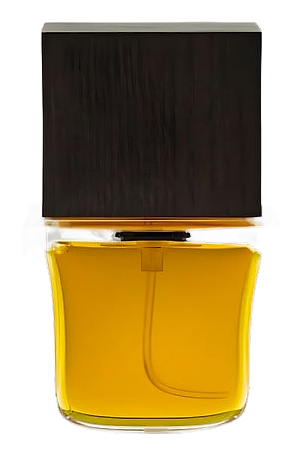
In 2000, Shinohara Yasuyuki wanted to build a fragrance around DI SER's own symbol, the lotus. Not as metaphor, but as olfactory fact. The idea: a scent that mirrors what the flower actually does. Emerges from murk. Blooms anyway. Holds its shape. The name comes from hasu no ito, the folk belief that lotus silk connects directly to Buddhist paradise. Shinohara didn't just want to reference that. He wanted to build it.
What makes Hasunoito unusual is the structural choice: boronia in the top, not the drydown. That green-herbaceous note usually anchors a fragrance's end. Here it opens, bright, slightly medicinal, almost astringent, before yielding to the lotus heart. The effect is deliberate. The boronia functions like the mud the lotus rises from: necessary, present, then left behind. Ylang-ylang and jasmine sambac keep the heart lush without tipping into sweetness. The real weight lands in the base: kyara oud, a resin prized across fifteen years of DI SER research, settled here as the fragrance's quiet foundation.
The evolution
Boronia opens sharp and herby, green without apology. The sweet orange underneath keeps it from being clinical. Twenty minutes in, the boronia recedes and lotus takes over, not loud but unmistakable. The ylang-ylang and jasmine sambac arrive together, warm and heady. The drydown belongs to kyara oud and violet leaf absolute: smoky, slightly dusty, intimate. On skin it stays close, moderate sillage, the kind you notice when you're close to someone. Eight hours later, the oud lingers soft and woody, not loud, but persistent. On fabric it holds longer, the violet leaf note becoming more pronounced overnight.
Cultural impact
Hasunoito occupies a quiet corner of Japanese niche perfumery, neither mainstream citrus nor heavy oud. The lotus as both subject and symbol gives it a spiritual register uncommon in Western fragrance. Wearers describe it as the scent of someone who doesn't need to announce themselves.