Boronia
Harvested from an Australian wildflower, boronia absolute captures a scent that defies simple description: green freshness, velvety florals, and a woody depth that lingers like black tea on a warm afternoon.
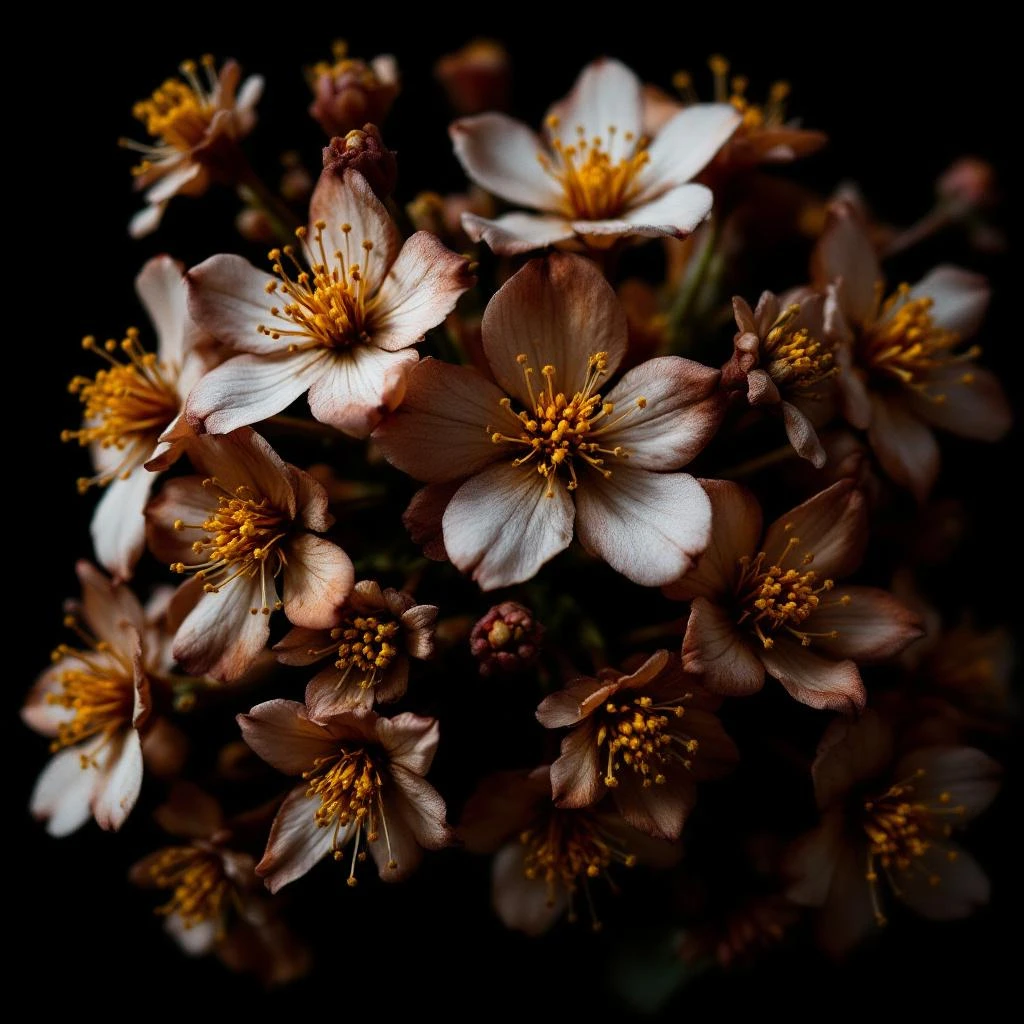
Character
How it smells
Australia's most coveted wildflower in perfumery.
Boronia ranks among the world's most expensive natural fragrance ingredients, with thefts from wild Australian populations making occasional headlines.






Origin
Australia
Boronia entered the global perfumery conversation in the late 19th century, when European fragrance houses began expanding their sourcing networks beyond traditional Mediterranean and Middle Eastern botanicals. Australian flora offered entirely new aromatic territories, and boronia quickly distinguished itself as something special. Indigenous Australians had long walked among these fragrant shrubs in the southern bushland, though specific traditional uses remain less documented than for some other native plants.
The colonial perfumery trade eventually recognized boronia's commercial potential, with the shrub's small purple-brown flowers becoming sought after by luxury fragrance houses in France and Switzerland. Early 20th century perfumers found boronia added dimensions that no other ingredient could replicate, cementing its place in high-end formulations even as scarcity made it a rare sight. Today, boronia remains a marker of authenticity and craftsmanship, reserved for perfumes that justify exceptional ingredient investment.
Its scarcity has not diminished its appeal; if anything, it has strengthened its reputation as a true find in a world of accessible synthetic options.
Wears it best
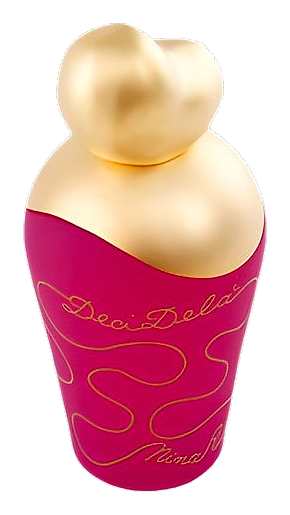
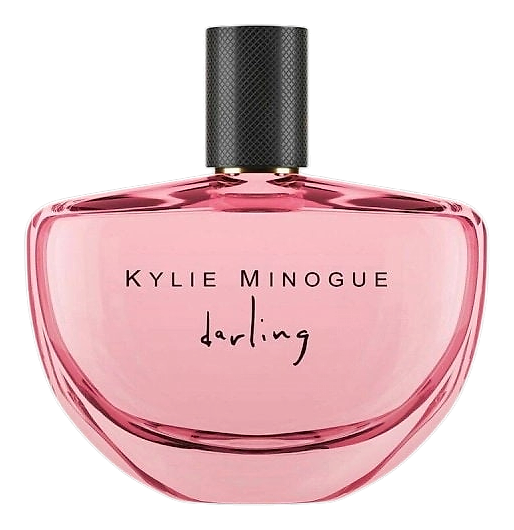
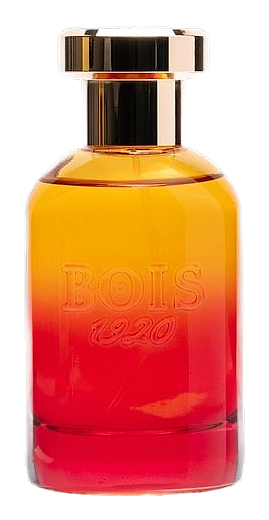
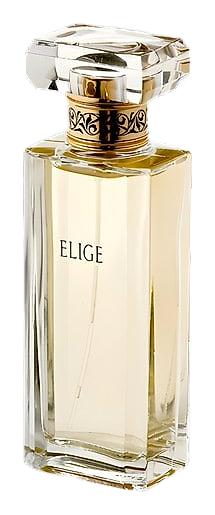
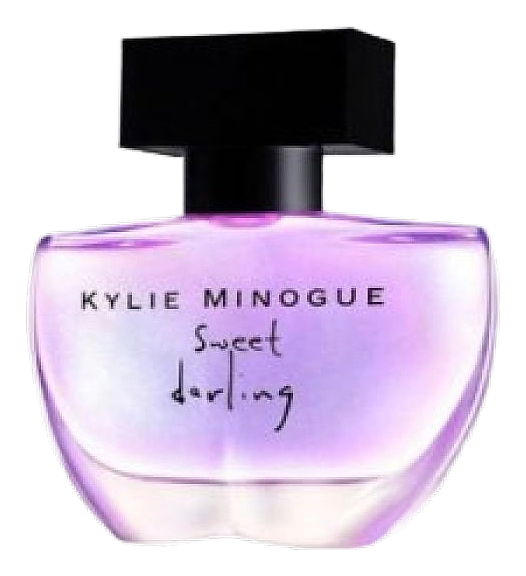
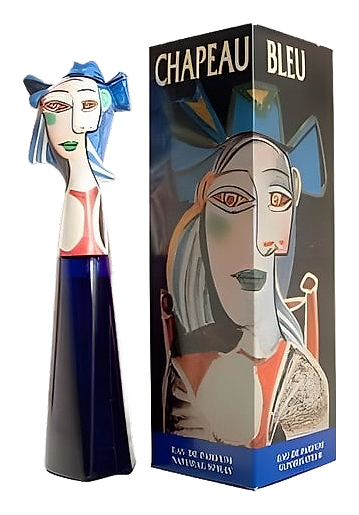
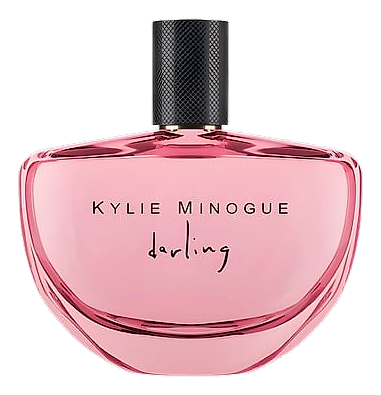
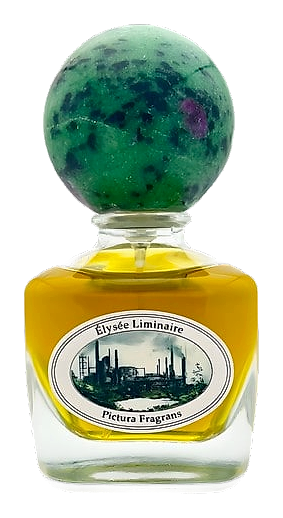
Fragrances featuring Boronia
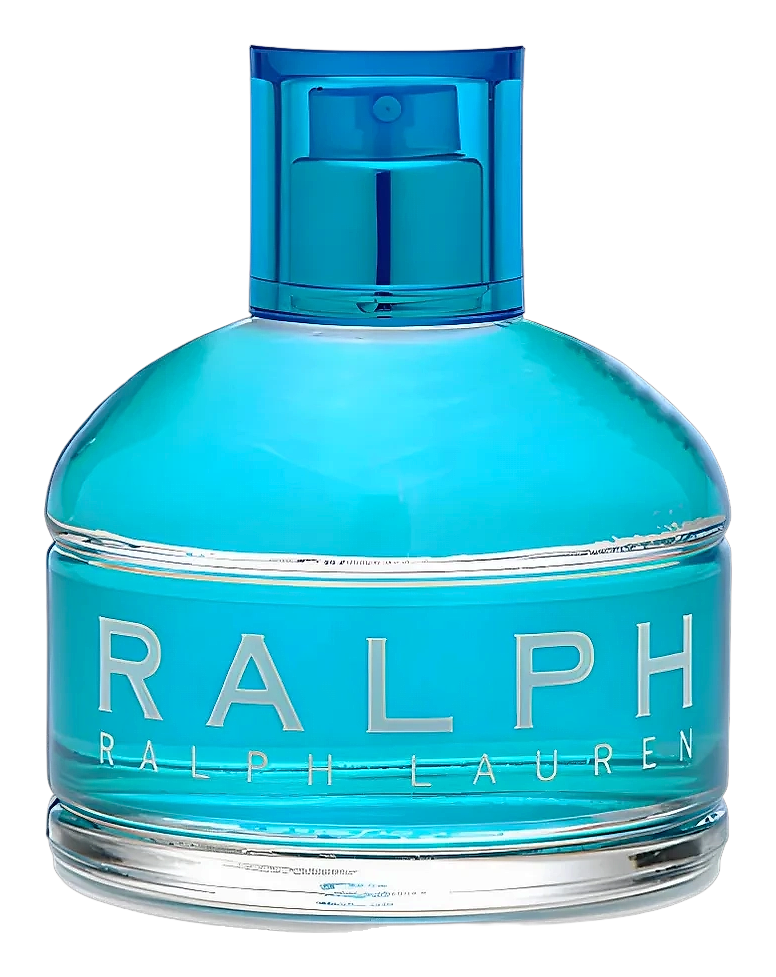
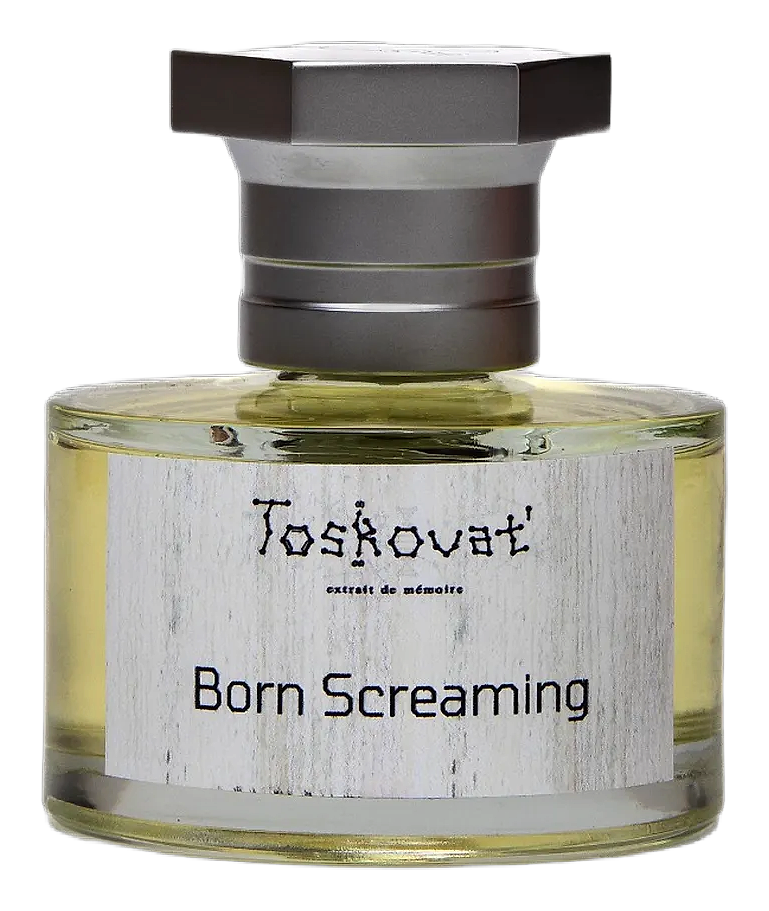
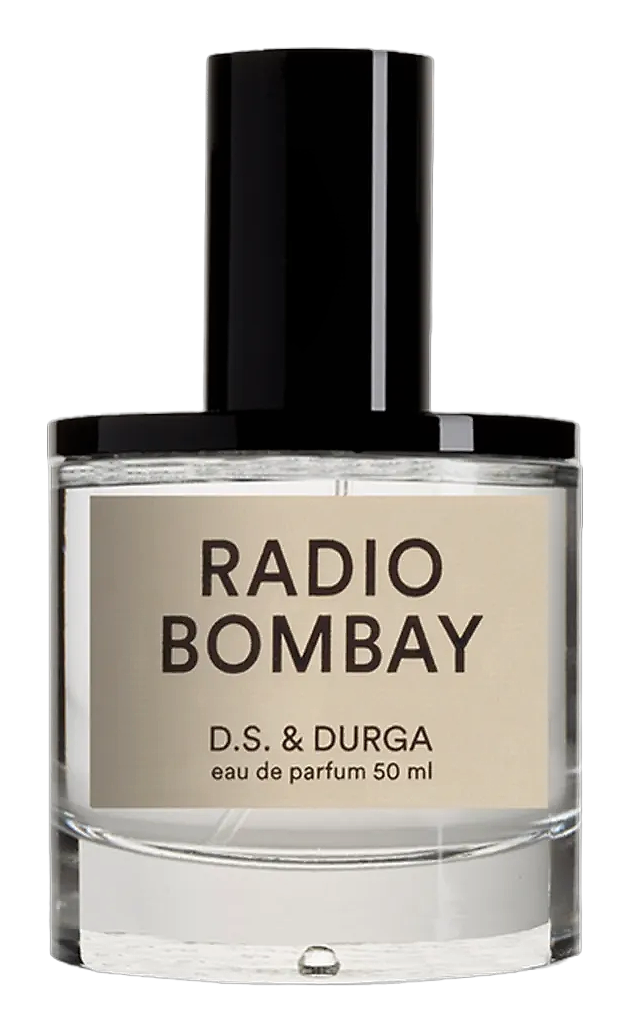
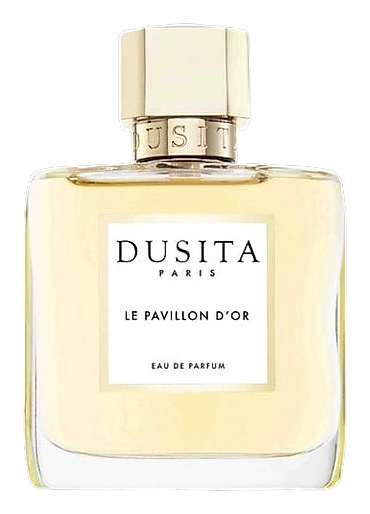
Brands
Brands known for Boronia
Good to know
Questions, answered
The essentials on Boronia in perfumery: how it smells, where it comes from, and how it behaves on skin.
What does boronia smell like?
Boronia smells green, floral, and tea-like with woody depth. It combines fresh-cut meadow notes with velvety purple flowers and a lingering black-tea warmth that evolves on the skin.
Why is natural boronia so expensive?
Natural boronia ranks among the world's costliest fragrance materials. The flowers must be hand-picked at precisely the right time, and a ton of blooms yields only a few kilograms of absolute.
Can synthetic boronia replicate the real thing?
No. Synthetics cannot fully replicate boronia's complexity. Natural boronia contains dozens of trace molecules that create its multidimensional, evolving character.
What fragrance families use boronia?
Perfumers use boronia primarily in floral and chypre compositions. It adds depth to green florals, enhances tea-scented perfumes, and provides an authentic Australian botanical signature.
Is boronia sustainably sourced?
Wild harvesting raises sustainability concerns. Most cultivated boronia grows in small-scale Australian operations, though supply remains limited and inconsistent year to year.
What gives boronia its characteristic scent?
Ionones contribute a violet-like sweetness, while aldehydes provide the fresh green lift. The combination creates boronia's signature tea-floral character that synthetic versions struggle to match.
Which famous perfumes feature boronia?
Boronia appears in several niche and high-end fragrances. Its rarity means perfumers deploy it strategically, typically in Eau de Parfum concentrations where the ingredient has room to unfurl.
What challenges affect boronia supply?
Boronia grows only in specific Australian conditions and resists commercial cultivation. Climate sensitivity, limited growing regions, and hand-harvesting requirements keep supply tight and prices high.


